Sydney's Commercial Crisis: How Rising Vacancies Will Reshape Your City
As vacancy rates soar across the CBD and landlords struggle, the ripple effects are already hitting your rent, your local coffee shop, and your city's future.
As vacancy rates soar across the CBD and landlords struggle, the ripple effects are already hitting your rent, your local coffee shop, and your city's future.
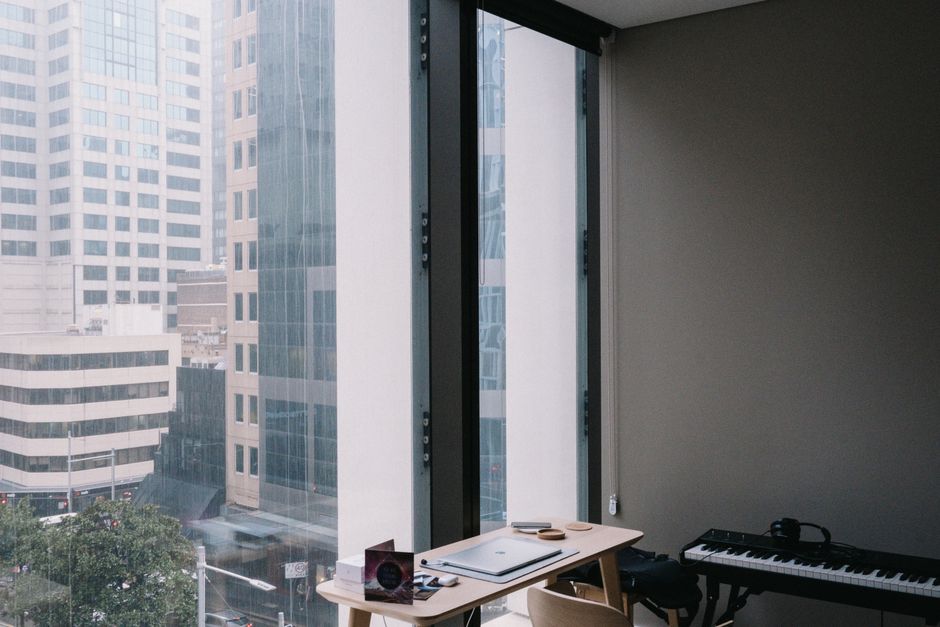
Sydney's gleaming office towers are increasingly empty, and while it might seem like a problem for big landlords and corporate bosses, the consequences are seeping into everyday life across the city in ways residents should understand.
The numbers tell a sobering story. The CBD's office vacancy rate has climbed to levels not seen in decades, with vacancy in prime locations like Pitt Street and Martin Place hovering around 7-8 percent—nearly double the healthy benchmark. But it's the secondary office precincts that are truly struggling, with some buildings in areas like Barangaroo and Parramatta posting double-digit vacancy rates.
Here's what this means for you. First, your inner-city rent. As office workers stop commuting daily—or disappear altogether—the entire ecosystem that supported them collapses. The sandwich shop on Elizabeth Street. The dry cleaner near Circular Quay. The lunchtime bar trade. These businesses relied on foot traffic that simply isn't there anymore. That pressure cascades upward to commercial landlords who pass losses onto other tenants, including residential buildings.
Second, rates and infrastructure funding. Sydney's local councils have long relied on steady revenue from commercial rates. As property valuations stagnate and landlords negotiate hardship relief, council budgets tighten. That affects everything from street maintenance to public transport support.
Third, your property value. While residential markets have held relatively steady, the commercial collapse weighs on neighbourhood character and vibrancy. Barangaroo, despite being newer, is now synonymous with empty offices. Strathfield and Chatswood—suburban office hubs—face similar pressures. Communities with deteriorating commercial precincts often see property demand soften.
The bigger picture: landlords holding older office stock in areas like the lower CBD are facing decisions. Some will convert to residential, which takes years and regulatory approval. Others will hold, hoping the market recovers. A few will default. None of these scenarios resolves quickly.
Developers and investors are hedging their bets. New office projects in the CBD have virtually stopped. Instead, money is flowing toward mixed-use developments that blend residential, retail, and flexible workspace—places like Central, Waterloo, and Broadway.
For residents, the takeaway is clear: Sydney's office market isn't just a financial market problem. It's reshaping the city's economic geography, affecting your neighbourhood's character, your access to services, and ultimately, your cost of living. Understanding this shift helps explain why your favourite CBD laneway feels quieter, why some commercial landlords are desperate, and why council rates might soon feel more pressure.
This article was compiled by AI and screened before publishing. See our editorial standards.
How does this story make you feel?
Spread the word
About this article
Published by The Daily Sydney
Daily brief
Free, in your inbox before 7am. Weekdays.
More in Business