Sydney's Office Market Is Splitting in Two — Here's What Businesses Need to Know Right Now
Prime CBD towers are filling up while fringe suburbs sit half-empty, and the gap between the two is widening fast.
Prime CBD towers are filling up while fringe suburbs sit half-empty, and the gap between the two is widening fast.
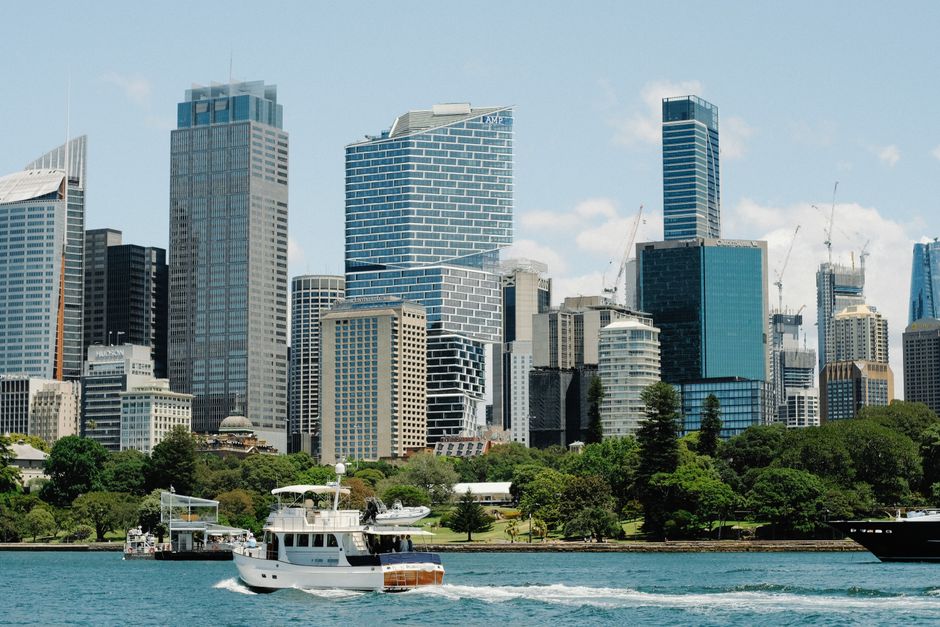
Sydney's commercial property market is fracturing along a line that property advisers call a "flight to quality," and businesses that signed leases in secondary locations three years ago are now paying the price. Vacancy rates across the CBD core — think Martin Place, the western corridor of George Street, and Barangaroo's International Towers precinct — have tightened to around 9.8 per cent as of the June quarter, according to figures compiled by CBRE Research. Meanwhile, fringe office precincts including North Sydney and Parramatta are sitting closer to 18 per cent vacant, with incentive packages from landlords running as high as 40 per cent of face rent just to fill floors.
This matters right now because lease decisions made during the pandemic years — many of them three-year terms signed in 2023 — are rolling over simultaneously. Thousands of Sydney businesses are hitting renewal windows at exactly the moment the market has bifurcated most sharply. Getting the next lease wrong, or missing the moment to lock in incentives before conditions shift again, carries real financial consequence.
The numbers tell two very different stories depending on which postcode you're in. At Brookfield Place on Pitt Street, Knight Frank agents confirmed earlier this year that floors were leasing at face rents above $1,450 per square metre per annum for premium space — a figure that would have seemed aggressive even in 2019. Charter Hall's Chifley Tower has seen similar pressure, with enquiry volumes up sharply from financial services and technology tenants who want ESG-certified buildings and column-free floor plates. Those tenants can afford to be picky: the supply of truly premium stock in the city core has not kept pace with demand.
North Sydney tells the opposite story. The completion of several towers along Miller Street over the past two years landed on the market just as hybrid work patterns settled into something close to permanent for many professional services firms. The suburb recorded a net absorption figure of negative 4,200 square metres in the first quarter of 2026, meaning more space was handed back than was taken up. Incentive deals there — rent-free periods, fitout contributions, lease flexibility — are the most generous they have been in over a decade, which does represent genuine opportunity for cost-conscious businesses willing to trade address prestige for value.
Property advisory firm Colliers International has been running briefings for tenants whose leases expire before mid-2027, and the consistent message is: do not wait for the landlord to come to you. In a bifurcated market, the leverage a tenant holds is almost entirely determined by how much time they have left on their current term. Businesses with 18 months remaining have meaningful options. Those with six months left are largely price-takers.
The AI data centre boom is adding a new wrinkle. Industrial and logistics land in the outer western suburbs, including the Moorebank Logistics Park corridor, is being aggressively bid on by hyperscale data centre operators, pushing up land values and indirectly tightening availability for businesses considering campus-style office or mixed-use relocations. That pressure is expected to flow into commercial rents in Macquarie Park and Rhodes by late 2026 as the ripple effect moves inward.
For businesses renewing now, the practical checklist is short. Confirm the NABERS energy rating of any building you are considering — both government tenants and large corporate occupiers are increasingly refusing sub-4-star-rated stock, which affects resale and subleasing risk down the track. Get independent tenant representation rather than relying on the landlord's agent. And benchmark your current incentive offer against comparable deals in the same precinct: the difference between a negotiated and an un-negotiated deal in North Sydney right now can run to six figures over a five-year term. The market is moving. The businesses that understand which half they are in will fare considerably better than those who don't.
How does this story make you feel?
Spread the word
About this article
Published by The Daily Sydney
Daily brief
Free, in your inbox before 7am. Weekdays.
More in Business