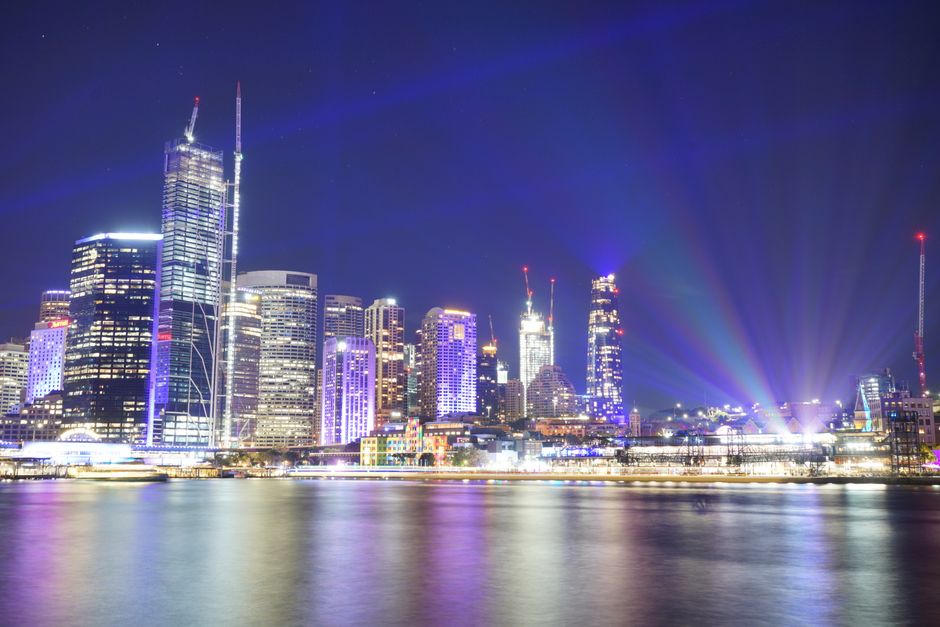
Sydney luxury retail expands as international brands deepen their footprint in the CBD
Westfield Sydney, the QVB, and Martin Place's Cartier flagship anchor Australia's premier luxury retail precinct.
Westfield Sydney, the QVB, and Martin Place's Cartier flagship anchor Australia's premier luxury retail precinct.
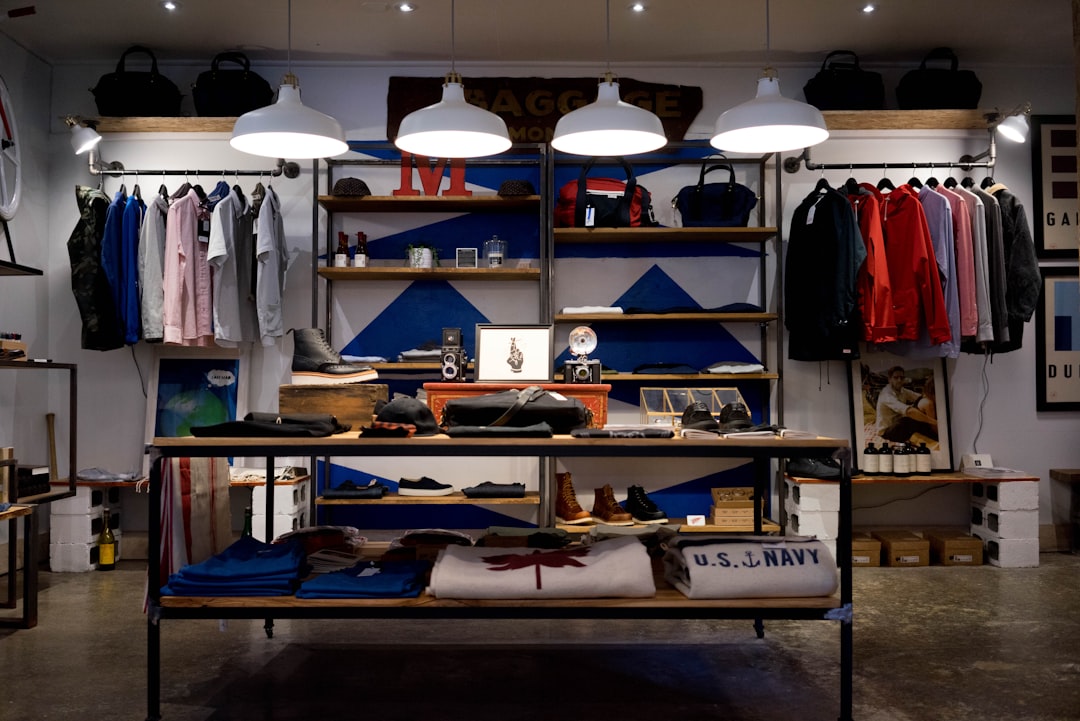
Sydney's luxury retail market is expanding as international luxury brands deepen their commitment to a city that combines Australia's highest concentration of high-net-worth residents with a significant population of luxury-spending international tourists whose purchasing power and brand familiarity make Sydney one of the more reliable markets for full-priced luxury retail in the Asia-Pacific region.
The CBD luxury retail corridor — anchored by Westfield Sydney's international luxury precinct, the historic Queen Victoria Building's premium tenancy mix, and the standalone flagship stores on King Street and Castlereagh Street — has attracted several international luxury brands to open or expand their Sydney presence in the past two years. Cartier's Martin Place flagship, Bulgari's Sydney boutique expansion, and Tiffany's renewed investment in its Market Street flagship reflect the confidence of global luxury houses in the market's depth and growth trajectory.
The international tourist component of Sydney luxury retail spending has recovered fully from the COVID-period disruption, with Chinese, Middle Eastern, American, and European tourists collectively generating luxury retail spending that per capita significantly exceeds their population share of Sydney visitors. The duty-free retail channel at Sydney Airport has also grown substantially, with the airport's luxury retail concession generating revenue that positions Sydney Airport among the top 20 luxury retail airports globally.
The Australian luxury market's growth trajectory — projected by Bain and Company at 8 per cent annually through to 2028 — is driven by domestic wealth accumulation rather than depending on international tourist spend, which makes it more structurally resilient than luxury markets in Asian tourism hubs where the cycle of international visitor recovery and contraction creates significant volatility.
This article was compiled by AI from the sources linked above and screened before publishing. See our editorial standards.
How does this story make you feel?
Spread the word
About this article
Published by The Daily Sydney
Daily brief
Free, in your inbox before 7am. Weekdays.
More in Business