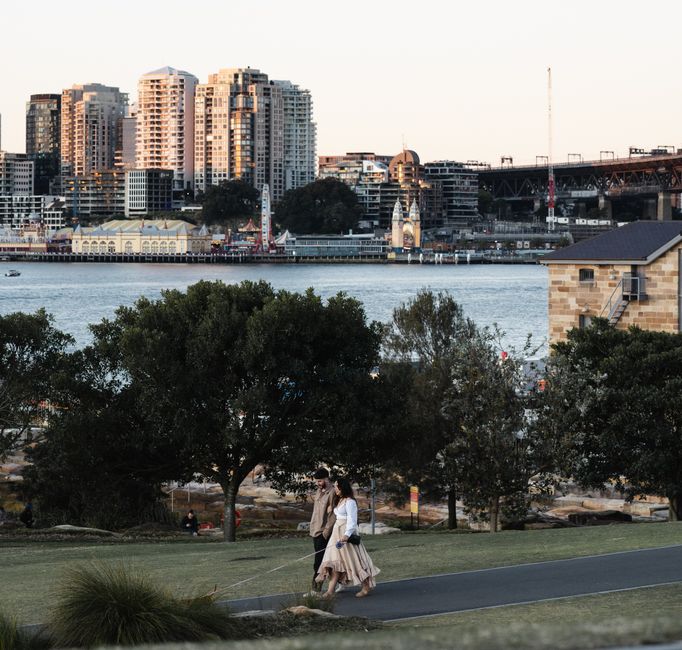
Sydney's cultural identity has long been defined by its harbour, its beaches, its outdoor lifestyle. But walk through Chippendale on a Friday evening, or explore the laneway galleries of Surry Hills, and you'll encounter a different Sydney emerging—one where the city's creative future is being written on gallery walls and in museum halls.
The transformation is tangible. The Art Gallery of NSW, with its major expansion completed in 2022, now attracts over 2 million visitors annually. Yet it's the proliferation of smaller independent spaces that signals a deeper shift in how Sydney sees itself. Galleries like Arterial in Marrickville, Tolarno in Paddington, and the artist-run spaces dotting Eveleigh Street in Redfern have created an ecosystem where emerging and established artists alike find sanctuary. Many operate on tight margins—some offering free entry—yet they persist because the community demands them.
This isn't merely aesthetic. The gallery boom reflects Sydney's post-pandemic recalibration. While other sectors contracted, creative precincts became gathering spaces. The City of Sydney's 2024 Cultural Infrastructure Plan acknowledges this, allocating increased funding to grassroots arts initiatives and recognising that creative industries now represent 5.7 per cent of Greater Sydney's economic output.
The Museum of Contemporary Art on Circular Quay remains the flagship, but its influence is no longer singular. The Powerhouse Museum's continued evolution in Ultimo, the freshly reimagined spaces at the Australian Museum on College Street, and the provocative programming at smaller institutions like Artist Space in Zetland demonstrate that Sydney's museums are no longer temples of preservation alone. They're laboratories for interrogating what it means to be Australian, what it means to be contemporary, what it means to be local.
Perhaps most tellingly, young Sydneysiders are choosing to stay rather than flee to Melbourne for cultural credibility. The Inner West's warehouse conversions—where studio spaces double as galleries—have become pilgrimage sites. First-Friday events in Redfern and Marrickville now draw crowds rivalling any precinct event in the city.
For a city once dismissed as culturally conservative, this matters profoundly. Sydney is articulating itself through art. Its identity isn't being handed down from institutions anymore; it's being created, questioned, and reinvented by artists working in modest spaces along backstreet galleries. That's not just a cultural shift. It's a redefinition of what this city believes itself to be.
This article was compiled by AI from the sources linked above and screened before publishing. See our editorial standards.