Sydney's street art landscape has matured dramatically over the past five years, transforming from underground rebellion into a serious cultural attraction that draws both locals and international visitors. If you're looking to immerse yourself in the city's most dynamic creative districts, here's what's worth your time right now.
Newtown: The Undisputed Heart
King Street and the surrounding laneways remain Australia's most concentrated hub of street art activity. The neighbourhood's ever-shifting murals—particularly along Coulson Street, Camperdown Street and the famous lane behind the old cinema—represent a living gallery that changes monthly. Local crews and international artists continue to push boundaries here. The precinct has also attracted design-focused businesses; Camperdown Commons, the neighbourhood's cultural space, regularly hosts artist talks and exhibitions that contextualise the street work. Entry is free, though donations support the programming.
Glebe's Emerging Scene
Less crowded than Newtown but rapidly gaining traction, Glebe's warehouse district around the Glebe Markets area is home to several legitimate street art projects. The Glebe Markets (operating weekends) provide a physical anchor where you can meet working artists and purchase directly, supporting the community economically while learning about their practice.
Barangaroo Reserve and Design District
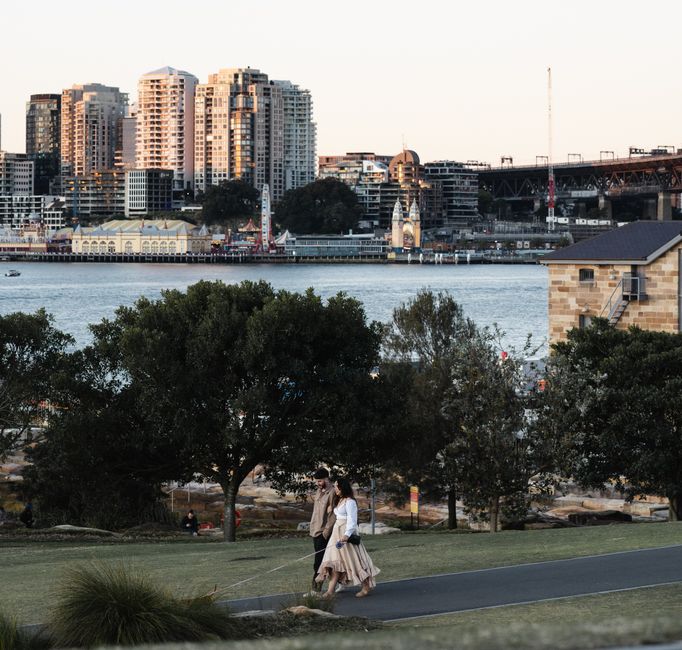
Barangaroo's public art program represents Sydney's most ambitious institutional approach to street culture. The precinct features commissioned large-scale installations from established and emerging artists, integrated thoughtfully into the landscape rather than relegated to walls. The headland sculpture park area is free and accessible 24/7, making it perfect for evening walks. This space demonstrates how street art principles—bold colour, public accessibility, community storytelling—can be woven into mainstream urban planning.
Inner West Collaborative Spaces
Marrickville, Dulwich Hill and Enmore increasingly host artist-run studios and design collectives open to the public. The monthly Last Friday Art Walk (operating in select precincts) connects galleries, studios and street installations into a cohesive evening experience. Entry to most spaces is free, creating genuine accessibility.
Practical Tips
Visit these districts on weekday mornings for the clearest photography and fewer crowds. Most street art here respects the line between vandalism and community-sanctioned work—this isn't a tourist scavenger hunt but a genuine creative ecosystem. Support local by buying coffee from neighbourhood cafes while you're exploring, and consider hiring local artist-led walking tours (typically $35-50) for deeper context about specific pieces and movements.
Sydney's street art scene reflects the city's broader creative maturation: it's increasingly serious about artistic merit while remaining committed to public accessibility and community participation.
This article was compiled by AI from the sources linked above and screened before publishing. See our editorial standards.