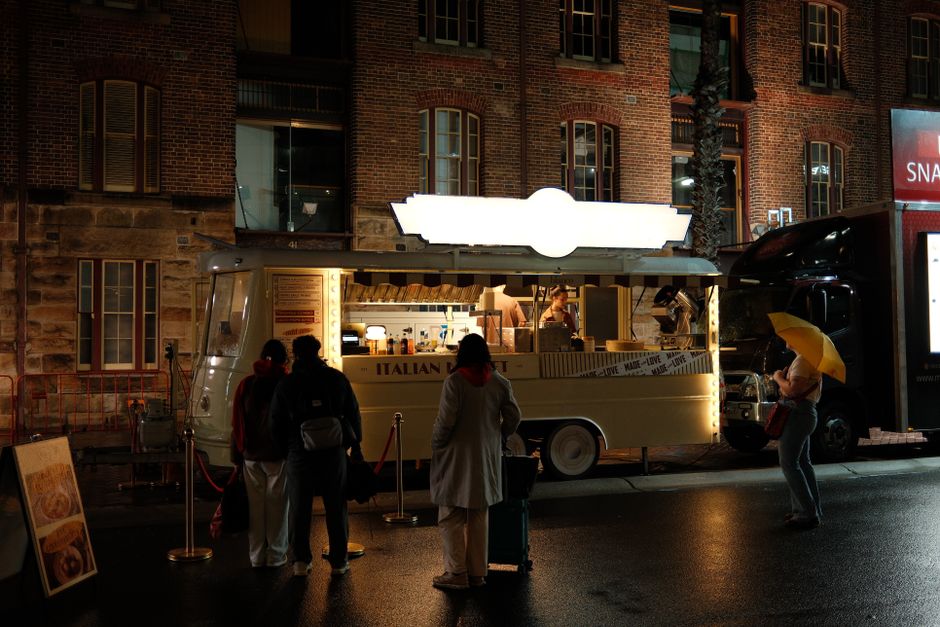
Walk through Circular Quay on any given evening in 2026, and you'll notice something has shifted in Sydney's cultural DNA. The city that once anchored its identity to a single winter festival season—Vivid's light-soaked projections, the Opera House steps transformed into an outdoor gallery—is now humming with creative activity across all twelve months.
This diversification tells a deeper story about who Sydney is becoming. This year's NAIDOC Week programming, which draws thousands to venues across Redfern, Ultimo, and beyond, has evolved from a peripheral celebration to one of the city's most anticipated cultural moments. Meanwhile, the Sydney Festival's recent relocation and restructuring has created space for emergent voices—particularly First Nations artists and makers—to occupy prime real estate on the cultural calendar that was previously dominated by international touring productions.
The shift is quantifiable. Tourism data from Destination NSW shows that visitors are increasingly spreading their trips across the year rather than clustering around July and September, drawn by festivals like the Emerging Writers Festival at Carriageworks and the expanding LGBTQ+ arts programming at venues across inner-city neighbourhoods like Glebe and Newtown. What was once a summer lull has become a season of experimental theatre, independent cinema, and underground music events.
Consider Barangaroo Reserve—once primarily a recreational space—which now hosts major cultural events that wouldn't have been possible in traditional venues. Or the way established institutions like the Art Gallery of NSW and the Museum of Contemporary Art have begun structuring exhibitions around a festival-driven calendar rather than the reverse. Even smaller independent organisations like West Space in Marrickville and performance collectives in warehouse spaces across inner-west suburbs have become essential nodes in this ecosystem.
The financial implications are significant. A 2025 audit of Sydney's cultural sector found that festival-adjacent organisations generated over $180 million in economic activity, with multiplier effects rippling through hospitality, retail, and accommodation across suburbs beyond the CBD. Yet the cultural impact runs deeper than economics. These festivals—increasingly shaped by community input, First Nations curation, and geographic distribution across neighbourhoods—are articulating a vision of Sydney that contests the old postcard image.
Sydney's creative identity has never been monolithic, but the festival calendar now finally reflects that reality. As NAIDOC Week grows and emerging venues claim their stake in the cultural landscape, the city is learning to tell more stories, and more voices are getting to tell them.
This article was compiled by AI and screened before publishing. See our editorial standards.