Developers Transform Sydney's Inner-West; Residents Launch Heritage Protection Fight
As developers reshape inner-west suburbs, a grassroots movement to protect the city's architectural and cultural identity is gaining momentum.
As developers reshape inner-west suburbs, a grassroots movement to protect the city's architectural and cultural identity is gaining momentum.
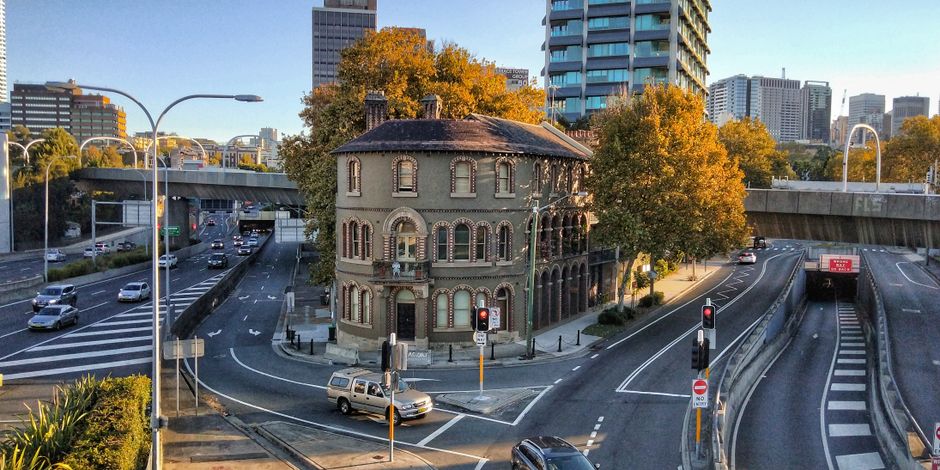
Walk down King Street in Newtown on any given Thursday evening and you'll see something that wasn't visible five years ago: clipboards. Community groups have stationed themselves outside heritage-listed terraces and converted warehouses, documenting stories before they're altered or demolished. It's become the unexpected frontline of Sydney's identity crisis.
The tension is tangible across inner-west suburbs. In Marrickville, where the laneway street art scene once defined creative expression, property values have tripled since 2020. In Glebe, heritage overlay protections are being contested in planning disputes with unprecedented frequency. The question locals keep asking: how do we preserve what makes these neighbourhoods worth moving to in the first place?
Heritage NSW data shows over 1,200 sites across Sydney are listed, yet only 340 receive statutory protection. The gap has sparked conversation about what actually constitutes cultural value. Is it the Victorian architecture? The multicultural communities that built these suburbs' identities? The independent venues – bookshops, galleries, pubs – that give streets their character?
The timing isn't coincidental. NAIDOC Week's recent celebration of First Nations stories has prompted broader conversations about whose history gets preserved and whose gets erased. Meanwhile, the closure of independent bookshops across Sydney (a pattern reflected nationally) has made locals reckon with how retail landscapes shape neighbourhood identity. When a corner store becomes a corporate chain, something intangible disappears alongside it.
What's changed is the organised response. The Inner West Heritage Alliance, formed last year, now has over 3,000 members. Local councils in Marrickville and Glebe have appointed heritage officers specifically to engage communities. Planning applications in these areas now routinely attract dozens of submissions from residents citing cultural value, not just architectural significance.
The conversation has broadened beyond preservation. At venues like the Riverside Theatres in Parramatta and smaller community halls across Redfern, forums are addressing gentrification's cultural cost: the loss of affordable spaces where art scenes incubate, where immigrant communities establish footholds, where working-class history remains visible.
These aren't abstract concerns. When a heritage precinct transforms, the people who created its character often can't afford to stay. Sydney's inner-west suburbs are experiencing this in real time, and locals are determined the story doesn't end with a real estate press release.
This article was compiled by AI and screened before publishing. See our editorial standards.
How does this story make you feel?
Spread the word
About this article
Published by The Daily Sydney
Daily brief
Free, in your inbox before 7am. Weekdays.
More in culture