Sydney's Theatres and Cinemas Reshape the City's Creative Identity
From intimate stages in Surry Hills to world-class performance venues, the performing arts are quietly becoming the backbone of Sydney's cultural identity.
From intimate stages in Surry Hills to world-class performance venues, the performing arts are quietly becoming the backbone of Sydney's cultural identity.
Walk down King Street in Newtown on a Thursday night and you'll feel it—that particular electricity of a city that takes its creative life seriously. The small theatres tucked above cafes, the independent cinemas showing films you won't find at the Westfield, the rehearsal studios where artists are building tomorrow's cultural landmarks. This is where Sydney is defining itself, not through property prices or CBD towers, but through the stories it tells and the stages it builds.
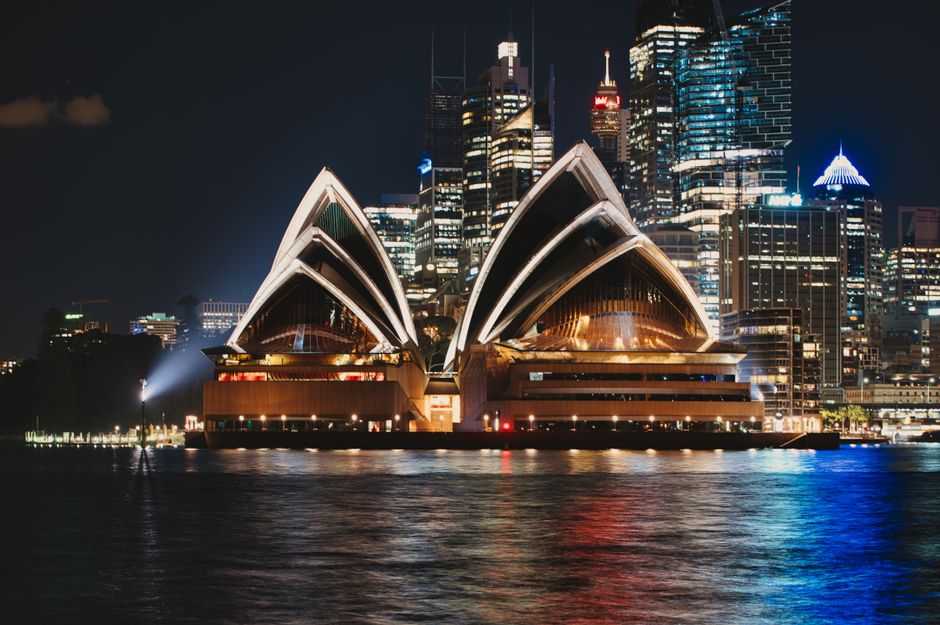
The numbers tell part of the story. According to a 2025 Arts Council NSW survey, theatre and live performance attendance in Greater Sydney has grown 23% over the past three years—a counterintuitive surge in an economy where cultural venues have traditionally struggled. The Belvoir Theatre in Surry Hills, a stalwart since 1984, continues to pack houses with challenging local work. Across the city, from the Sydney Opera House's drama theatre to smaller venues like the Seymour Centre near the University of Sydney, there's a palpable sense that audiences are hungry for live performance, for cinema that challenges, for stories that feel authentically Sydney.
What's particularly striking is the diversification. Where Sydney's cultural identity once revolved almost exclusively around the Opera House's international blockbusters, the real creative momentum now lives in the margins. The Griffin Theatre in Kings Cross nurtures emerging playwrights. The Dendy cinemas on Martin Place and in Newtown champion independent and arthouse films. Venues like the Enmore Theatre in Newtown have reinvented themselves, hosting everything from intimate acoustic sets to experimental theatre productions. Meanwhile, NIDA's experimental spaces in Darling Harbour are producing graduates who stay in Sydney and build careers here—something that would have been unthinkable a decade ago.
This shift reflects something deeper about how Sydney sees itself. The performing arts have become a way of processing the city's anxieties about housing, inequality, and belonging. Theatres are increasingly programming work by and about First Nations artists and communities—a conscious reshaping of whose stories get told on Sydney stages. Independent cinemas are curating programs that reflect the city's multicultural reality in ways the mainstream won't.
The economic precarity is real. Ticket prices have climbed steadily; a night at the theatre now routinely costs $60-80. Smaller venues operate on razor-thin margins. Yet artists keep coming. They're staying in Sydney, investing in its creative infrastructure, because they sense—correctly—that this city is finally listening to what they have to say. The stages and screens of Sydney aren't just venues anymore. They're becoming mirrors in which the city recognises itself.
This article was compiled by AI and screened before publishing. See our editorial standards.
How does this story make you feel?
Spread the word
About this article
Published by The Daily Sydney
Daily brief
Free, in your inbox before 7am. Weekdays.
More in culture