Sydney's Best Heritage Sites: Discover 5 Neighborhoods Shaped by History
From First Nations storytelling to colonial streetscapes, discover where Sydney's past and present collide in neighbourhood precincts that shaped the city we know today.
From First Nations storytelling to colonial streetscapes, discover where Sydney's past and present collide in neighbourhood precincts that shaped the city we know today.
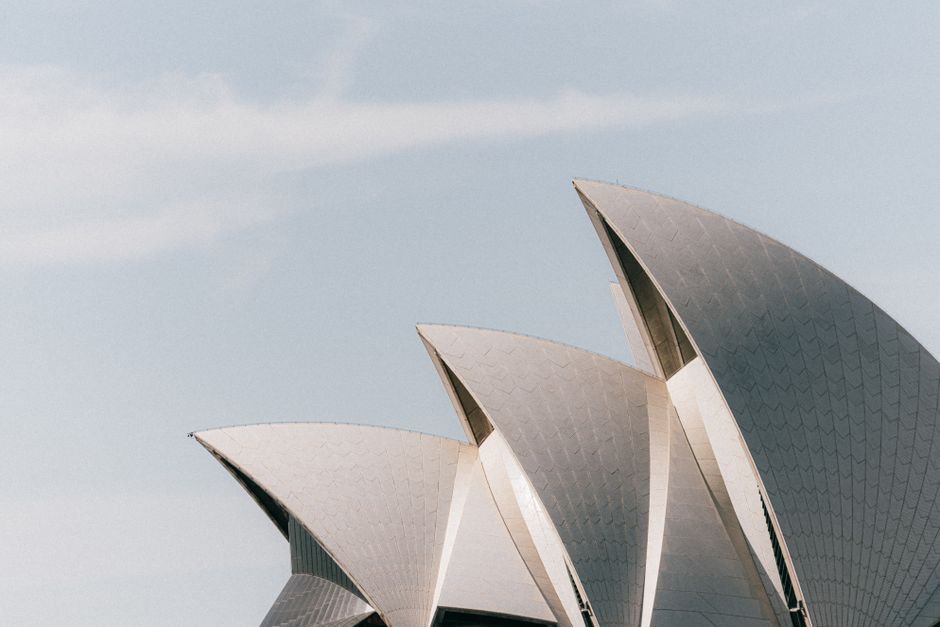
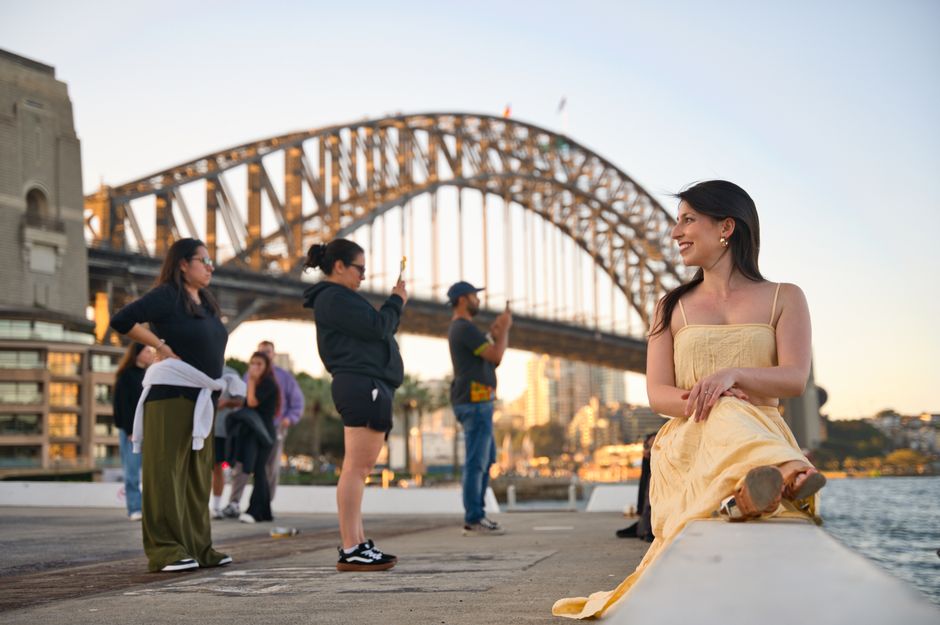
Sydney's identity isn't confined to postcards of the Opera House. This winter, the city's richest cultural narratives are on display across neighbourhoods where heritage and contemporary life genuinely intersect—and you can experience them without leaving your local area.
Start in The Rocks, where cobblestone laneways between 1830s sandstone buildings now house independent galleries and heritage interpretation spaces. The Rocks Discovery Museum (free entry) charts the precinct's convict and working-class history, while nearby Susannah Place Museum ($12 entry) offers an intimate look at domestic life across two centuries. Weekend mornings here pulse with the farmers market, where local producers occupy the same streets that once defined Sydney's maritime economy.
For First Nations perspectives, head to Redfern and the Australian Museum's permanent Eora exhibition—currently the most comprehensive local collection examining the Eora nation's 30,000-year presence on this Country. NAIDOC Week celebrations continue throughout July at venues across the city, with particular concentration at SBS's digital platform and local community centres in inner-west suburbs like Marrickville, where Indigenous artists have established permanent studio collectives.
Barangaroo Reserve, the 7.3-hectare headland project completed in 2015, represents Sydney's relationship with reconciliation and place-making. The site, co-designed with the Barangaroo precinct's Eora advisory group, incorporates cultural interpretation and hosts rotating exhibitions. It's also where you'll find some of the city's most honest conversations about colonial history happening organically—in café conversations and through the landscape itself.
Inner west precincts like Marrickville and Newtown document migration waves that built modern Sydney. Marrickville's Polish Museum ($5) sits alongside Vietnamese grocery stores and Italian cake shops—a lived archive of post-war settlement patterns. Newtown's King Street remains one of Australia's most culturally diverse streetscapes, with bookshops, independent cinemas, and community venues that function as cultural anchors in an increasingly corporatised retail landscape.
The State Library of NSW (free general entry) houses the Mitchell Collection—over 2 million items documenting Sydney and New South Wales history. The reading rooms alone are architectural heritage experiences, while rotating exhibitions ground abstract history in personal documents and objects.
Finally, don't overlook your own neighbourhood's local history society. Groups across Paddington, Glebe, Woollahra, and the eastern suburbs maintain detailed archives and host quarterly walks ($10-15) that reveal the stories embedded in your street's architecture and former uses.
Sydney's deepest culture isn't in blockbuster exhibitions. It's in the places where history remains functional, contested, and genuinely alive.
This article was compiled by AI and screened before publishing. See our editorial standards.
How does this story make you feel?
Spread the word
About this article
Published by The Daily Sydney
Daily brief
Free, in your inbox before 7am. Weekdays.
More in culture