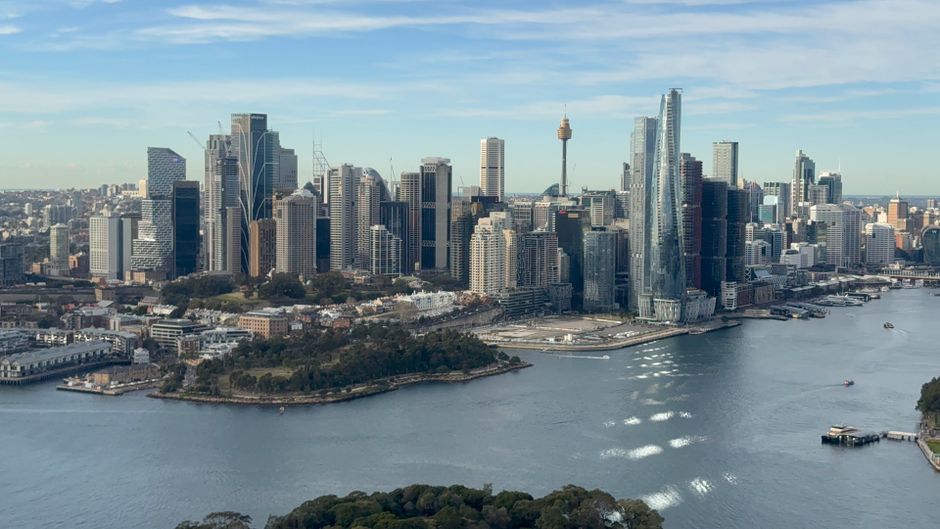
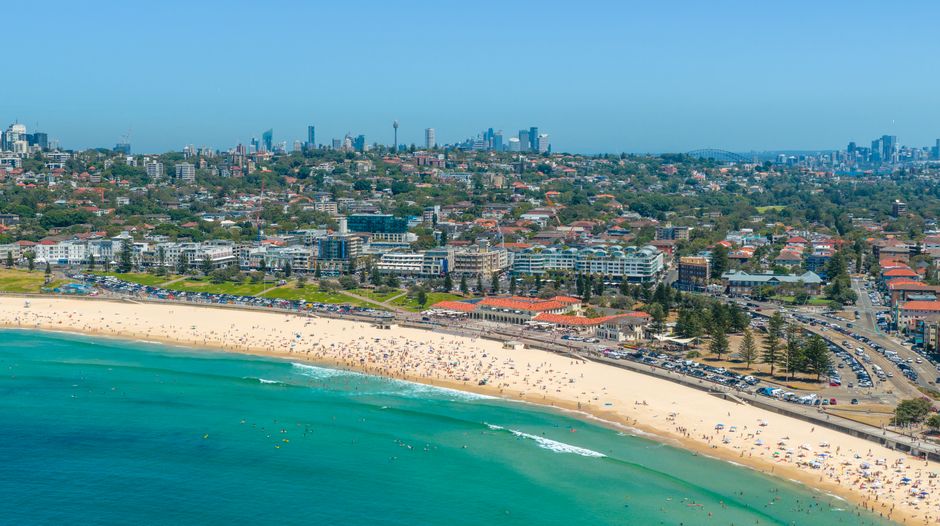
Cost of living in Sydney: what you need to know in 2026
The most expensive Australian city in detail — and why people keep moving there.
The most expensive Australian city in detail — and why people keep moving there.
Sydney is Australia's most expensive city and the numbers have not improved. But it remains the city that most Australians, given a free choice of location and sufficient income, would choose to live in — the harbour, the beaches, the career opportunities, and the cultural density create a combination that no other Australian city replicates.
Sydney's median house price crossed $1.5 million in early 2026 and shows no structural tendency to fall. The median apartment price is $860,000. Renting is severe: a one-bedroom apartment in inner Sydney (Surry Hills, Newtown, Glebe) runs $600-$800 per week; a two-bedroom in the inner ring costs $850-$1,200 per week. The western suburbs offer relative relief: Parramatta two-bedrooms rent at $500-$650 per week.
Grocery costs are approximately 10 per cent above the national average. Sydney's mid-range restaurant scene runs $140-$200 for dinner for two with a bottle of wine. The city's food truck, market, and hawker food culture offers excellent quality at accessible prices that the formal restaurant scene cannot match per dollar.
The Opal card system covers trains, buses, ferries, and light rail with sensible weekly caps that make public transport genuinely cost-competitive with driving for CBD workers. The weekly cap of $50 is reached quickly on a five-day working week. Parking in the CBD costs $30-$60 per day.
Childcare is Sydney's most acute financial pressure point for families with young children. Full-time childcare for one child costs $2,000-$3,000 per month before subsidies. The federal childcare subsidy reduces this substantially for median-income families but the out-of-pocket cost remains high relative to other capital cities.
Sydney rewards households earning above $160,000 combined. Below that threshold, the trade-offs are real and the consideration of alternative cities (Brisbane, Melbourne, Wollongong, Newcastle) becomes rational. The city's attractions are genuine and the population growth confirms that enough people make the calculation in Sydney's favour to sustain demand.
This article was compiled by AI from the sources linked above and screened before publishing. See our editorial standards.
How does this story make you feel?
Spread the word
About this article
Published by The Daily Sydney
Daily brief
Free, in your inbox before 7am. Weekdays.
More in Finance