Sydney Markets Rally, but Finance Sector Faces Persistent Headwinds in 2026
ASX surges near record with gold, tech, and dollar climbing, but super funds and banks face mounting challenges from property and policy risks.
ASX surges near record with gold, tech, and dollar climbing, but super funds and banks face mounting challenges from property and policy risks.
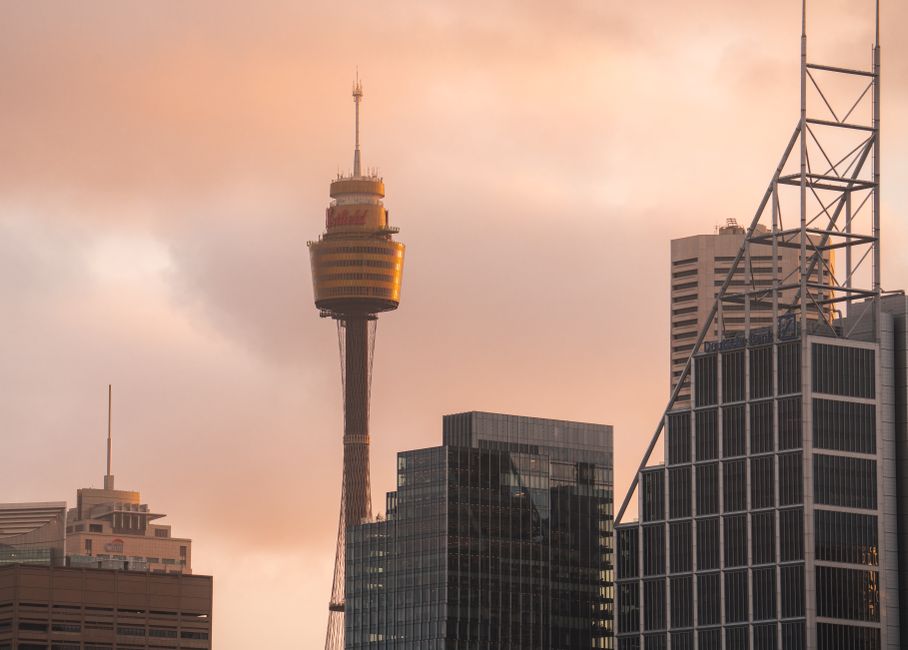
The ASX 200 pushed up 0.92 percent to 8,844 on Thursday, brushing against historic highs as global risk appetite surged and Sydney’s heavyweight sectors led the charge. The rally, echoed in the All Ordinaries at 9,048, provided welcome gains for superannuation members and retail investors. At the same time, the Australian dollar rose to 69.43 US cents, underlining robust overseas demand, while spot gold soared over 4 percent to US$4,187 per ounce, hinting at a defensive undercurrent beneath the optimism.
Sydney, the beating heart of Australia’s finance industry, has reaped some of the benefits. The city’s big four banks (CBA, Westpac, NAB and ANZ) are catching a tailwind from a buoyant market, but analysts warn that the sector’s glow is masking real strains. This year, the challenges facing bank earnings are mounting: a cooling housing market and falling auction clearance rates, particularly in Melbourne and extending into Sydney’s outer suburbs, are dampening mortgage volume growth. Banks have begun to tighten lending to owner-occupiers and investors alike, and risk costs are climbing as arrears tick upward.
This tension is cutting across fintech and digital asset players too. Bitcoin jumped 6.7 percent to US$62,501 overnight, fuelling local discussion on the role of crypto allocations in retirement savings. But the mood among start-ups and neobanks is more sober: regulatory change, higher funding costs and volatile local deposit growth continue to bite, especially as the Reserve Bank keeps a tightening bias in the wake of persistent services inflation.
Commodities provide some relief. Gold’s run to US$4,187 an ounce has revived old debates about hedging and portfolio defence, and there’s renewed interest in exposure to miners listed on the ASX, including several Sydney-based small caps. Conversely, a 2.78 percent drop in WTI crude to US$68.78 per barrel is a mixed blessing. Transport and logistics groups are getting a short-term cost reprieve but resource-linked revenues are under pressure, and questions linger about the resilience of local services jobs as some projects decelerate.
Policy risk rounds out the headwinds. Sydney-headquartered banks and wealth managers are still digesting the implications of looming changes to financial advice regulation and the government’s ongoing debate about superannuation tax concessions. With NSW also set for significant infrastructure spending—another $12 billion pledged to the Hunter train manufacturing hub—investors are weighing the potential for longer-term stimulus against the short-term impacts on state credit and household confidence. For now, Sydney’s finance and markets professionals are enjoying the gains, but few are betting the rest of 2026 will move in a straight line.
How does this story make you feel?
Spread the word
About this article
Published by The Daily Sydney
Daily brief
Free, in your inbox before 7am. Weekdays.
More in Finance


