Five Sydney Street Artists Reshaping the City's Creative Districts
A new generation of muralists is transforming forgotten laneways beyond Newtown and Barangaroo, redefining public art in 2026.
A new generation of muralists is transforming forgotten laneways beyond Newtown and Barangaroo, redefining public art in 2026.
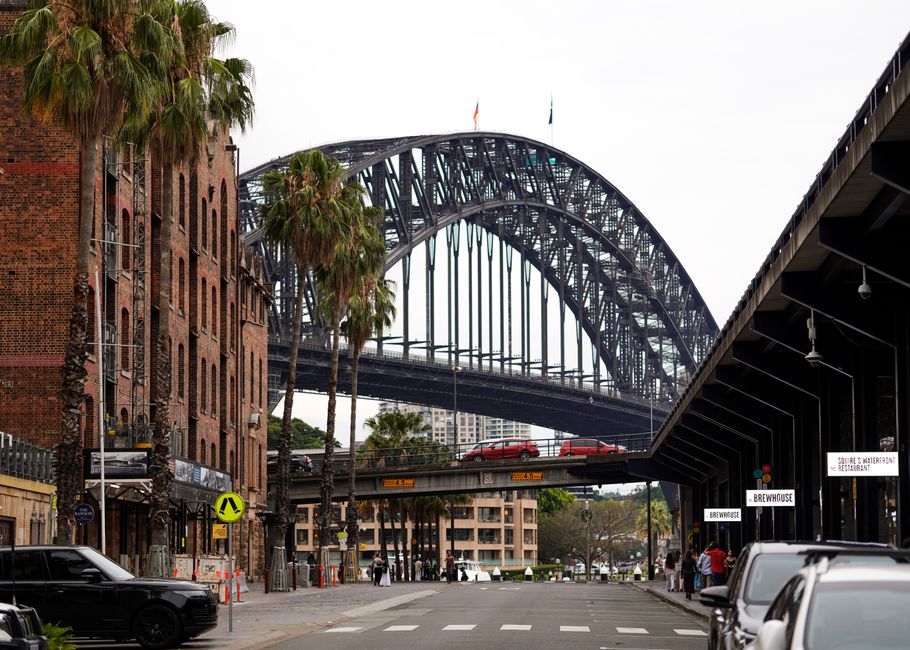
Walk down Abercrombie Lane in Chippendale on any given Thursday afternoon and you'll witness Sydney's street art scene in flux. Where Instagram-friendly paste-ups once dominated, there's now a rigorous conversation happening about permanence, community ownership and the politics of who gets to paint the city.
The shift reflects a maturing creative ecosystem. While Newtown remains the traditional epicentre—with venues like Corridor and the ever-evolving laneways still pulling tourists—the real innovation is happening in pockets most visitors miss. In Marrickville, where industrial heritage meets housing affordability, younger artists are reclaiming spaces that gentrification hasn't yet commodified. Around the back streets of Glebe and in the eastern reaches of Darling Harbour's creative precincts, collectives are moving beyond individual signatures toward site-specific installations that engage with local history.
What's striking is how these emerging voices are interrogating the street art establishment. Several younger practitioners have publicly critiqued the "Instagram-ification" of muralism, deliberately working in formats that resist easy photography. Others are collaborating with heritage organisations and local Aboriginal artists—a recognition that Sydney's walls tell multiple, sometimes competing narratives.
The economics matter too. Council approval timelines for legitimate street art projects now stretch 6-12 months, pushing some of the most interesting work into grey zones. Meanwhile, commercial rates for mural commissions have inflated beyond $15,000-$25,000 for mid-sized pieces, pricing out emerging practitioners unless they secure gallery backing or grant support through organisations like Create NSW.
Several names are gathering momentum: collectives experimenting with projection-mapping on heritage facades; individual artists pioneering accessible design that doesn't require art-world credentials to understand; practitioners centering queer and disability representation in public space. The Sydney Street Art Commission, established in 2024, has become a focal point for debate about whether institutional validation helps or hinders the form.
The tension is productive. Unlike London's pub-illustrators or Melbourne's lane-based tourism, Sydney's emerging street art voices are asking harder questions: Who owns public space? What happens when temporary art becomes permanent gentrification? How do we value work that exists outside market logic?
These questions won't resolve neatly. But they're why the next two years matter. The artists painting Marrickville's forgotten corners right now might define Sydney's visual identity for the next decade—if the city creates space for them to do so.
This article was compiled by AI and screened before publishing. See our editorial standards.
How does this story make you feel?
Spread the word
About this article
Published by The Daily Sydney
Daily brief
Free, in your inbox before 7am. Weekdays.
More in culture