Moving to Sydney: Complete Expat Guide 2024
Relocating to Sydney? Discover what makes this harbour city unique for expats, from neighbourhood culture to lifestyle advantages versus other major cities.
Relocating to Sydney? Discover what makes this harbour city unique for expats, from neighbourhood culture to lifestyle advantages versus other major cities.
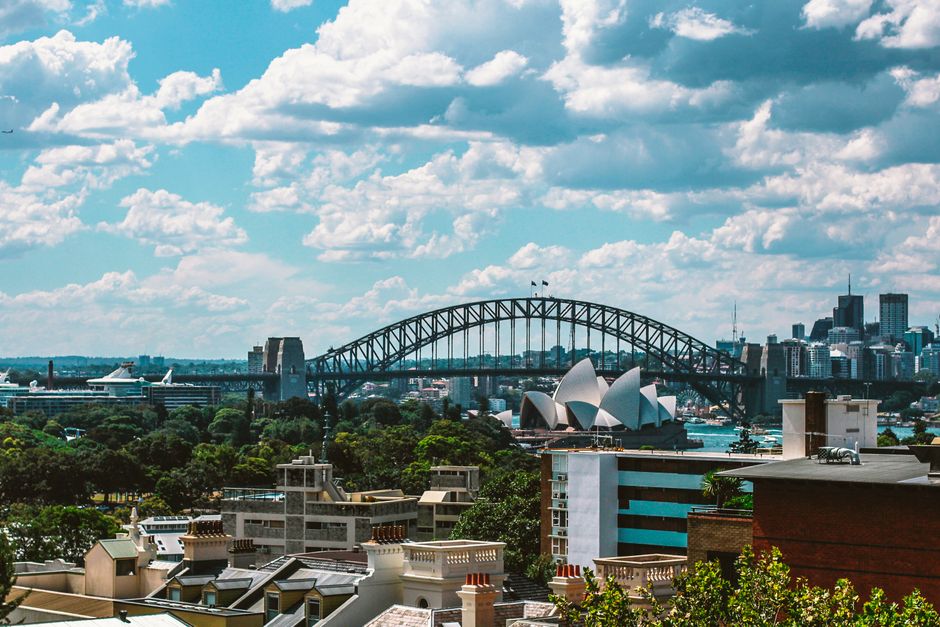
Sydney doesn't announce itself like New York or London. There's no grand proclamation that you've arrived somewhere important. Instead, you'll be walking through Circular Quay on a Tuesday afternoon, the Opera House rising behind you in that impossible white geometry, and suddenly realise: nowhere else quite feels like this.
For expats arriving from major global cities, Sydney's greatest distinction is its casual disregard for hierarchy. In London, your postcode matters before your name. In New York, your job title opens doors. In Sydney, someone's just as likely to strike up a conversation with you at Bondi Beach or a Surry Hills cafe whether you're a CEO or a bartender. This egalitarian streak runs deeper than politeness—it's baked into how the city actually functions.
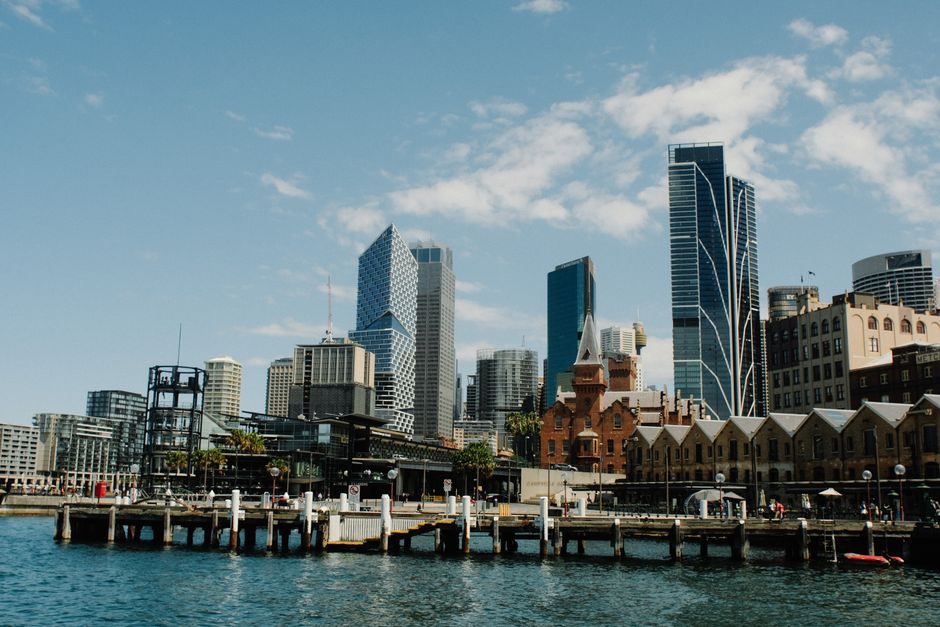
The geography is another revelation. Most global cities force you to choose: beaches or culture, nature or commerce. Sydney refuses. Within 20 minutes, you move from the CBD's glass towers to the eucalyptus forests of the Blue Mountains. The South Coast's temperate rainforests are three hours away. Manly and Bondi aren't tourist attractions bolted onto the city—they're integrated neighbourhoods where executives swim before work. Try that commute in Toronto or Barcelona.
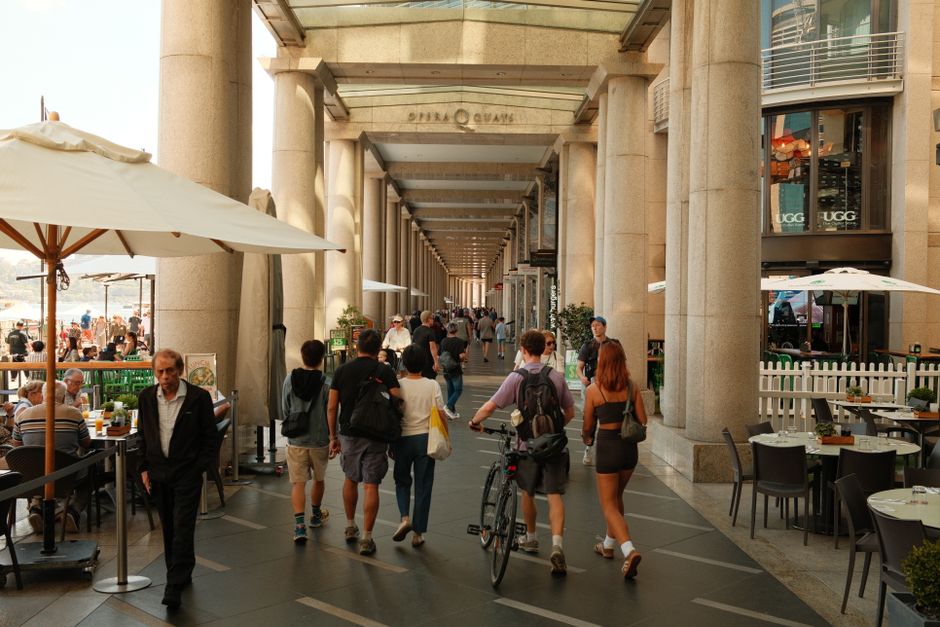
Then there's the seasonal inversion. Arriving in July as a Northern Hemisphere expat means arriving into winter—but it's 17 degrees and sunny. Your mental map flips. Christmas happens during summer. Outdoor dining isn't seasonal; it's permanent. This alone reshapes how you structure your life.
The cost equation also differs markedly from comparable global cities. Yes, Sydney's expensive—median house prices hover around $1.2 million. But daily living costs surprise newcomers. A coffee remains around $5-6. A meal at a mid-range restaurant sits under $25. Compare that to Manhattan or central London, and your actual spending often decreases despite higher rent.
Sydney's multicultural DNA operates differently too. Rather than creating distinct ethnic enclaves that feel separate, the city has genuinely blended. Leichhardt's Italian heritage mixes with Turkish and Lebanese influences. Darling Harbour hosts the city's largest community events regardless of origin. The result feels less like a mosaic and more like actual cultural integration.
Finally, there's the work culture. Australia's relatively recent embrace of flexible working means Sydney's CBD empties at 4:30pm—unthinkable in traditional financial hubs. Long weekends matter. Taking a Friday off to drive to the Blue Mountains isn't judged as uncommitted. Life integration, not work-life balance, is the goal.
Sydney won't feel like anywhere else you've lived. That's precisely why thousands of expats stay.
This article was compiled by AI and screened before publishing. See our editorial standards.
How does this story make you feel?
Spread the word
About this article
Published by The Daily Sydney
Daily brief
Free, in your inbox before 7am. Weekdays.
More in lifestyle