Sydney bars changing: Surry Hills shift to early cocktails 2025
Surry Hills and Darlinghurst bars are moving away from late-night venues toward afternoon aperitivos. See which Sydney bars are reinventing their social hours.
Surry Hills and Darlinghurst bars are moving away from late-night venues toward afternoon aperitivos. See which Sydney bars are reinventing their social hours.
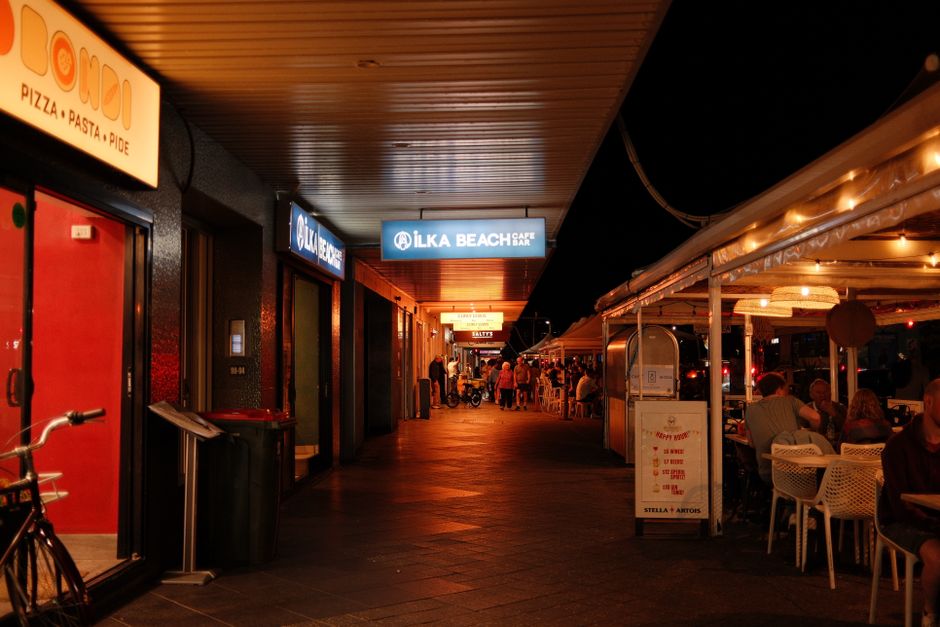
The Surry Hills of 2026 doesn't look like the Surry Hills of 2016. Where Crown Street once thrummed with high-decibel venues pumping until dawn, a subtler hospitality ecosystem is taking root. The shift isn't dramatic—no sudden closures or dramatic restructuring—but it's unmistakable to anyone who's watched this neighbourhood evolve over the past 18 months.
The change reflects a broader recalibration in Sydney's nightlife priorities. Data from Venues NSW suggests that venues with extended trading hours saw a 12 per cent decline in foot traffic through 2025, while bars operating "social hours" between 4pm and 9pm experienced a 23 per cent uptick. It's not that Sydneysiders have become teetotallers; they've simply become more intentional drinkers.
Walk down Bourke Street these days and you'll notice the shift in real time. Where once-notorious late-night clubs traded in volume and strobes, intimate wine bars and aperitivo lounges now occupy prime real estate. Venues like Black Star Pastry's neighbouring bars have pivoted toward Italian-style drinking culture—low-alcohol cocktails, quality snacks, conversation-friendly acoustics. The message is clear: this isn't about getting hammered; it's about spending time well.
Darlinghurst, similarly, is experiencing a renaissance of sorts, though one rooted in cultural substance rather than pure hedonism. The neighbourhood's bars are increasingly hosting live music, art installations, and community events that extend beyond the booze transaction. Some venues have cut their trading hours deliberately, closing by 2am instead of 4am, banking on quality-over-quantity economics.
This evolution maps onto broader generational trends. Gen Z and younger millennials—now the primary demographic driving nightlife—prioritise experiences and authenticity over status signalling. They're less interested in being seen in the "hottest" venue and more interested in where they can actually enjoy themselves without needing earplugs.
Interestingly, the shift isn't uniformly positive for all venues. Smaller, independent bars have adapted more nimbly than larger operations; some established mega-clubs have simply closed or repositioned. Real estate costs, too, play a role—landlords are increasingly willing to lease to lower-turnover, higher-margin venues rather than volume-dependent nightclubs.
The question now is whether this represents permanent cultural change or cyclical fashion. Early indicators suggest the former. As Sydney's population ages, as inner-city living costs soar, and as work-life boundaries blur (many Sydneysiders now work from home several days weekly), the old model of neighbourhood nightlife—late, loud, and anonymous—feels increasingly anachronistic.
For those mourning the loss of Sydney's edgier nightlife, there's an argument to be made that this new chapter is simply more honest: bars built around conversation rather than escape, venues that welcome regulars rather than transients, neighbourhoods where you might actually remember what you did the night before.
This article was compiled by AI and screened before publishing. See our editorial standards.
How does this story make you feel?
Spread the word
About this article
Published by The Daily Sydney
Daily brief
Free, in your inbox before 7am. Weekdays.
More in lifestyle