Sydney's Markets Transform Neighbours Into Friends, Reveal Community Soul
From Glebe to Paddington, the city's weekend markets are far more than transaction points—they're the beating heart of neighbourhood identity.
From Glebe to Paddington, the city's weekend markets are far more than transaction points—they're the beating heart of neighbourhood identity.
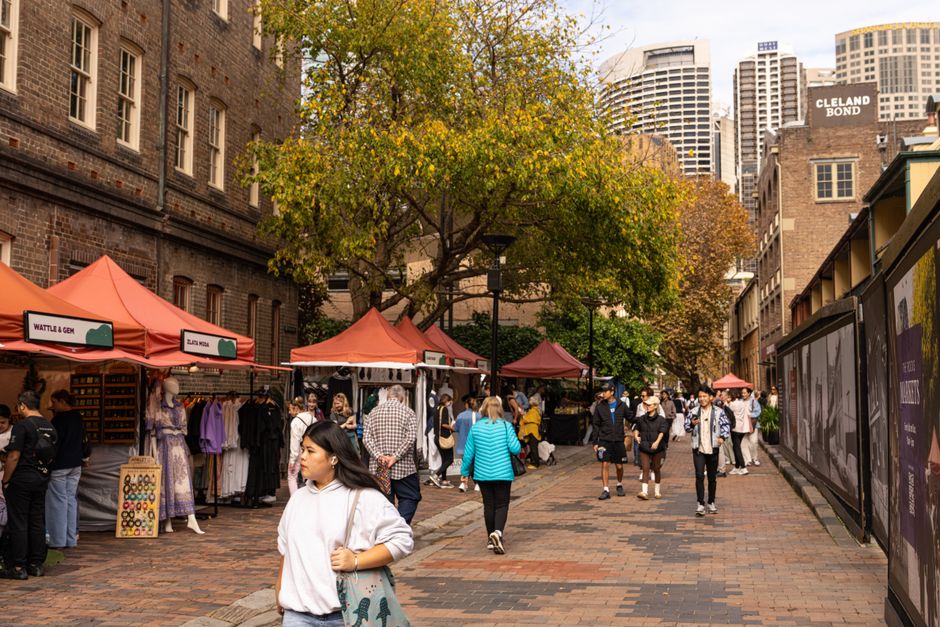
On a Saturday morning at Glebe Markets, the air smells like fresh sourdough and possibility. Locals weave between stalls on Glebe Point Road, stopping to chat with the same olive oil vendor they've known for five years, asking after their kids. This is shopping stripped back to its most human element—and it's precisely why these spaces matter so much to Sydney's neighbourhood fabric.
Sydney's markets tell the story of their communities. At Paddington Markets on Oxford Street, the energy skews younger and more eclectic. Vintage fashion traders sit shoulder-to-shoulder with plant nurseries and jewellers, creating an ecosystem that attracts twenty-somethings and inner-west professionals alike. The market has operated since 1973, and regulars will tell you it's the unpredictability—you never know what you'll find—that keeps them coming back.
Meanwhile, the inner-city retail landscape has shifted noticeably. According to recent retail surveys, Sydney's weekend markets have seen a 23 per cent increase in footfall over the past three years, even as traditional high street shopping has contracted. People are deliberately choosing these spaces, investing time rather than just money.
What's happening here goes beyond commerce. At Marrickville Markets, every second Sunday, the strip between Marrickville Road and the industrial heritage precinct transforms into something approaching a street festival. The crowd reflects the neighbourhood's diversity—young families from newly renovated terrace houses, long-time residents, creative workers from nearby studios. Conversations happen. Kids play. Strangers become regulars.
The economics matter too. A bunch of fresh blackberries or brussels sprouts from a Glebe stall costs roughly the same as supermarket produce, but the money stays local. Vendors are your neighbours' cousins, their mates, small business owners betting on face-to-face relationships in an increasingly digital world.
Even newer markets have tapped this hunger for community. Surry Hills Fine Food & Produce Market, operating since 2019, positioned itself explicitly as a neighbourhood gathering point rather than a shopping destination—and it's worked. The model recognises something fundamental: we don't just want goods; we want to belong somewhere.
As Sydney's residential density increases and neighbourhoods densify, these markets become even more crucial. They're where people from the same street discover they're neighbours, where local identity crystallises, where the economic and social layers of a suburb become visible. They're messy, unpredictable, and utterly essential—exactly what makes a neighbourhood feel like home.
This article was compiled by AI and screened before publishing. See our editorial standards.
How does this story make you feel?
Spread the word
About this article
Published by The Daily Sydney
Daily brief
Free, in your inbox before 7am. Weekdays.
More in lifestyle