Sydney Locals Ditch Cars: 5 Practical Ways to Beat Gridlock Daily
From ferries to e-bikes, here's how to ditch the gridlock and actually enjoy getting from A to B.
From ferries to e-bikes, here's how to ditch the gridlock and actually enjoy getting from A to B.
Sydney's transport network is simultaneously one of its greatest assets and most misunderstood systems. While most residents default to sitting in peak-hour traffic on the M4 or hunting for parking in Parramatta, a smarter way to move through the city is waiting to be discovered.
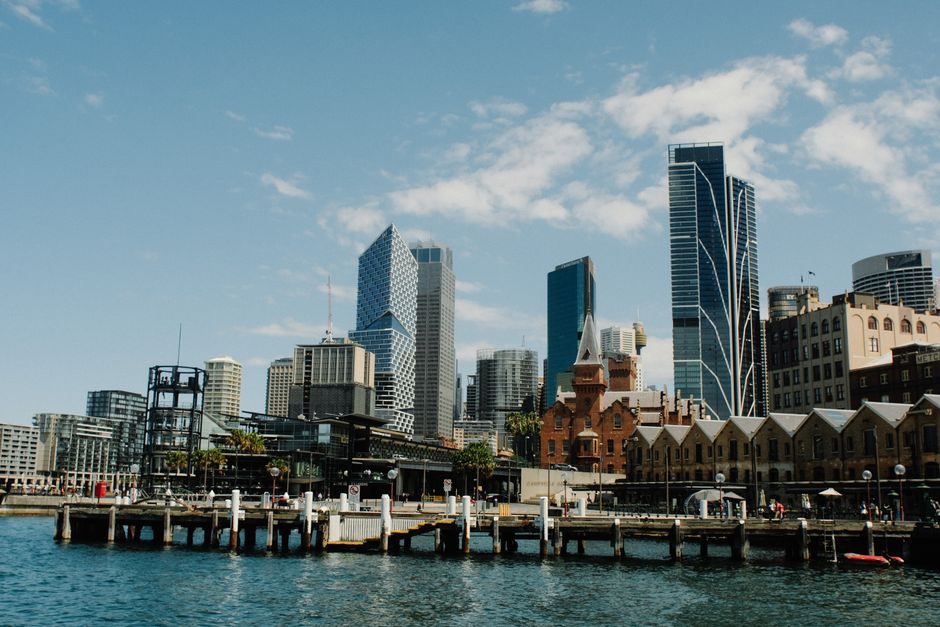
The ferry system remains the city's best-kept secret for commuters willing to rethink their journey. A Manly-bound vessel from Circular Quay isn't just transport—it's reclaiming 30 minutes of your day from bumper-to-bumper monotony. With weekly caps on Opal card journeys (capping out at $17.80 on weekdays), regular ferries to the Eastern Suburbs, Inner West, or Northern Beaches often cost less than petrol and parking combined. The Parramatta River ferries, linking Parramatta to Circular Quay via Strathfield, offer a surprisingly civilised alternative for Western Sydney commuters.
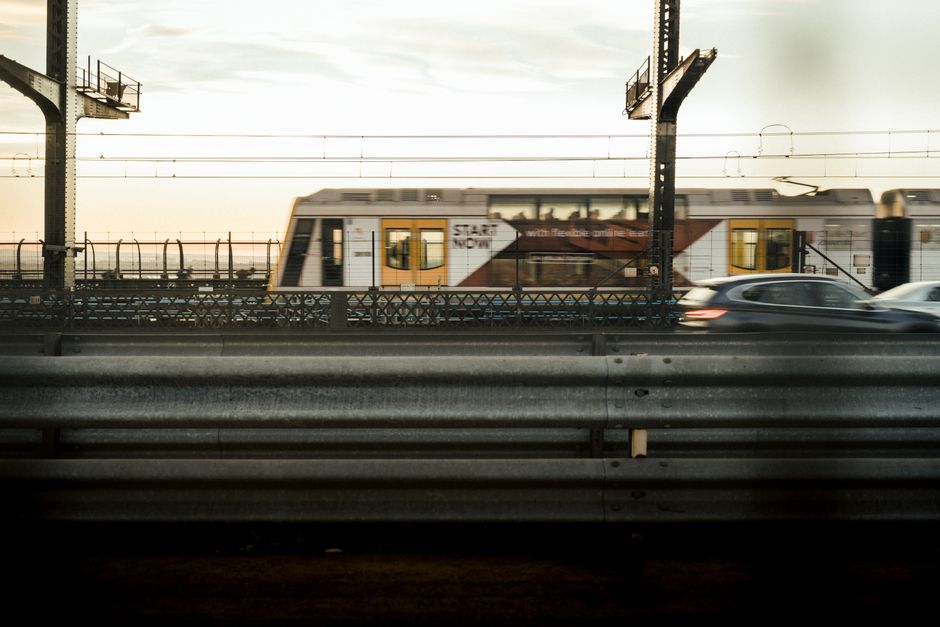
The rail network, despite its reputation, has improved markedly. Most Sydney residents underestimate how efficiently trains connect inner neighbourhoods—Redfern to Surry Hills, Alexandria to Marrickville, or Wynyard to Penrith—especially if you're heading away from the CBD during off-peak hours. Journey Planner and Opal tracking show real-time data; many residents who switched from cars report reclaiming two to three hours weekly.
For shorter jaunts, the growth of bike infrastructure cannot be ignored. The new separated lanes along King Street in Newtown, the Broadway cycleway, and the Inner West greenway network have transformed cycling from recreational activity into genuine transport option. E-bikes level the playing field; a mid-range model costs roughly what you'd spend on four weeks of parking near the CBD.
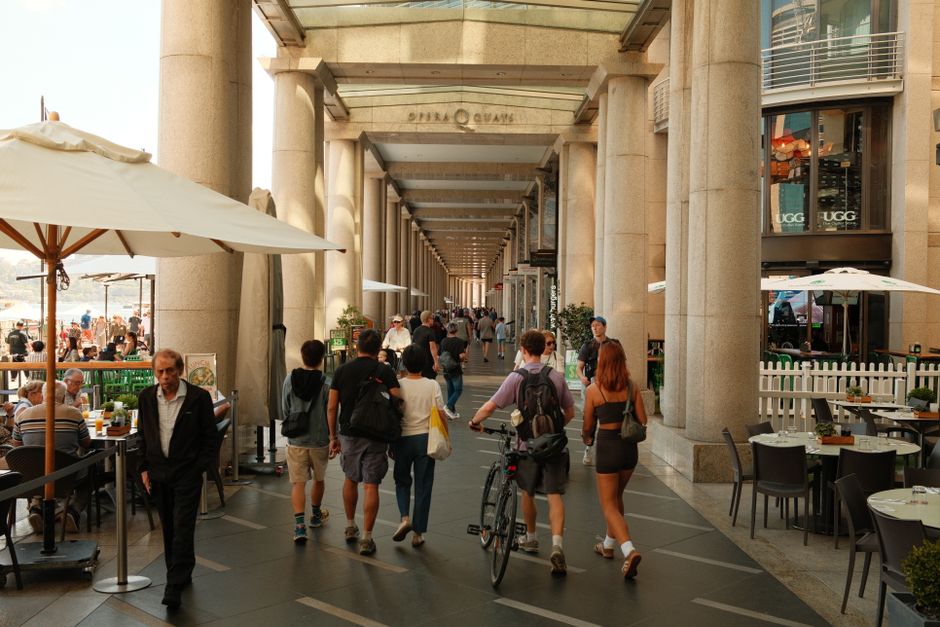
Walking neighbourhoods strategically also rewires how you experience Sydney. Five precincts—Glebe, Newtown, Marrickville, Surry Hills, and Clovelly—are deliberately designed for pedestrians with clustered cafes, bookshops, galleries, and markets. Locals who walk these strips report discovering venues, conversations, and rhythms they'd never find driving past.
The hybrid approach works best: use trains or ferries for main commutes, bikes or buses for neighbourhood runs, and cars sparingly for bulk shopping or coastal escapes. Download the Opal app, grab a Citycycle membership ($80 annually), bookmark the Transport NSW Journey Planner, and commit to one month of car-free commuting. You'll likely find the city feels larger, your wallet feels fuller, and your stress levels drop noticeably. Sydney's transport isn't perfect, but it's far more rewarding once you stop fighting it.
This article was compiled by AI and screened before publishing. See our editorial standards.
How does this story make you feel?
Spread the word
About this article
Published by The Daily Sydney
Daily brief
Free, in your inbox before 7am. Weekdays.
More in lifestyle