Sydney's Parks Unite Diverse Neighbourhoods From Bondi to Barangaroo
As winter settles in, we discover how green spaces across Sydney's diverse suburbs are shaping community identity in ways that go far beyond a morning jog.
As winter settles in, we discover how green spaces across Sydney's diverse suburbs are shaping community identity in ways that go far beyond a morning jog.
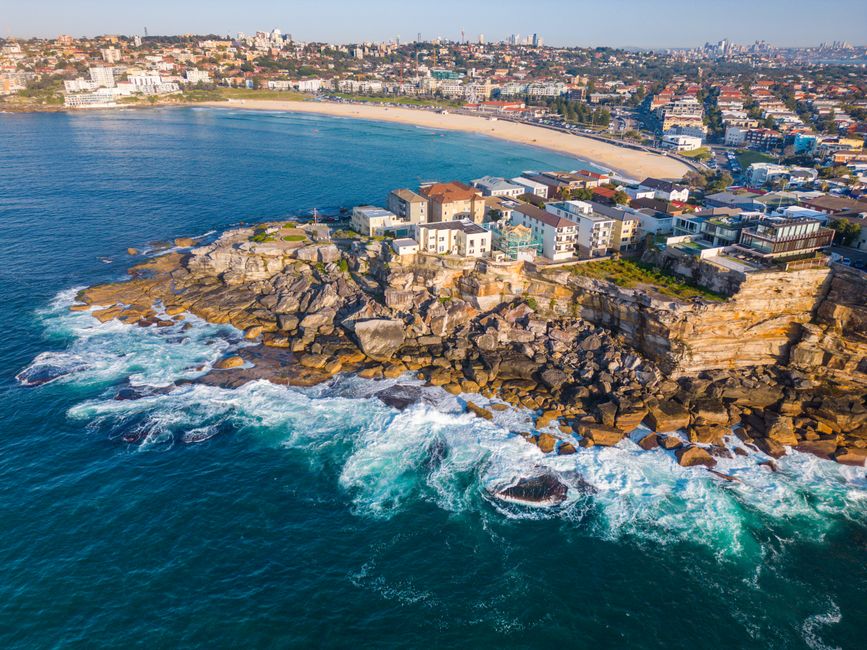
Walk through Sydney's parks on any given winter afternoon and you'll witness something rarely discussed in tourism guides: the quiet revolution of neighbourhood character being actively built and defended by locals who treat their green spaces like living extensions of home.
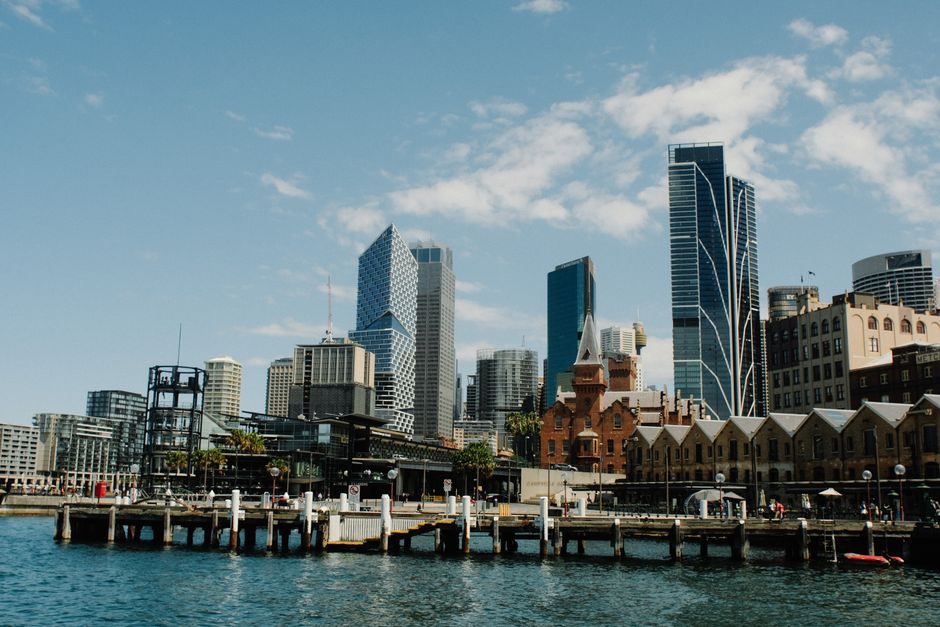
In Barangaroo Reserve, the 6.6-hectare waterfront park has become an unlikely gathering point where workers from the CBD mix with inner-west families, creating an almost accidental democracy of users. The reserve's amphitheatre and lawns have become where neighbourhoods—typically segregated by postcode politics—actually overlap. It's not by accident; it's by design, and increasingly, by community stewardship.
Head south to Alexandria Park, and you'll find a different character entirely. This inner-south pocket has become a hub for local environmentalists and urban gardeners, with community groups regularly tending native plantings and running workshops on composting and sustainable living. The character here isn't imposed—it's organically grown through people who've chosen to stake their identity in the soil.
What's striking across Sydney's park network is how tightly these spaces correlate with neighbourhood identity. Marrickville's Činija Park has emerged as a cultural touchstone for the suburb's diverse immigrant communities, hosting everything from casual cricket matches to informal music sessions. Meanwhile, in the eastern suburbs, Centennial Park remains a statement of privilege and establishment—not through exclusion, but through the unspoken agreement of its regulars about what the space represents.
Data from the City of Sydney shows that residents within 400 metres of quality green space report significantly higher community connection. It's not merely correlation. These spaces are where neighbourhoods define themselves, where unwritten codes about character develop, and where new arrivals learn what a suburb actually values beyond its real estate prices.
The most revealing indicator? Look at what people leave behind—literally. Dog park communities develop their own social hierarchies. Picnic spots become territories where regular users eventually recognise each other. Community gardens in inner-west suburbs like Newtown have waiting lists stretching months, because access to these spaces has become synonymous with belonging to something tangible.
As Sydney's property market continues fragmenting neighbourhoods into increasingly discrete income brackets, parks remain one of the few spaces where character isn't simply purchased—it's performed daily by people who show up. That's what makes them essential infrastructure, not just for recreation, but for maintaining Sydney as something resembling a shared city rather than a collection of gated communities.
This article was compiled by AI and screened before publishing. See our editorial standards.
How does this story make you feel?
Spread the word
About this article
Published by The Daily Sydney
Daily brief
Free, in your inbox before 7am. Weekdays.
More in lifestyle