Sydney's Transport Workers Reveal What Powers Daily Commutes
From Strathfield to the CBD, the people powering our city's transport network reveal what really keeps Sydney moving.
From Strathfield to the CBD, the people powering our city's transport network reveal what really keeps Sydney moving.
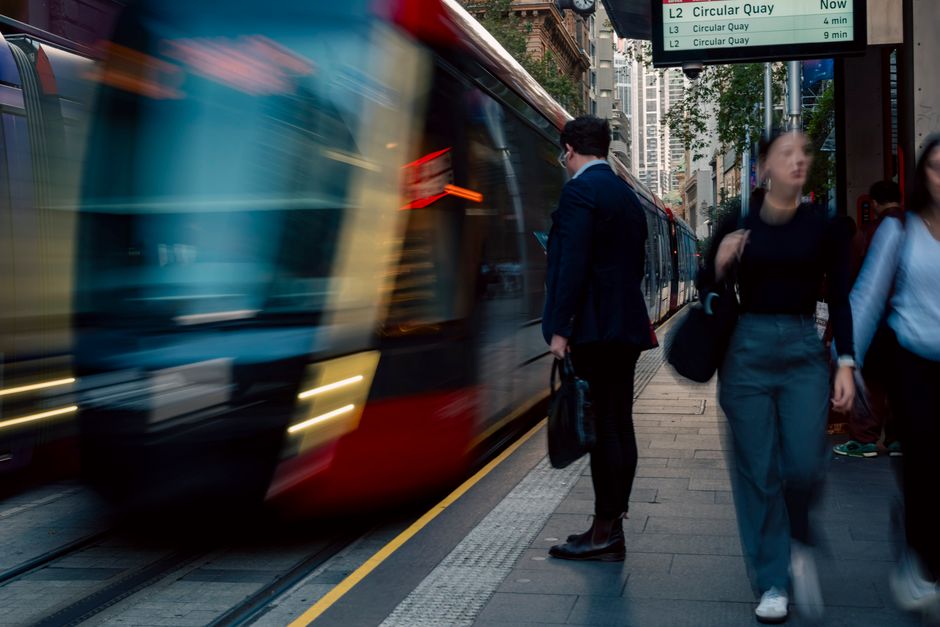
On any given morning, Transport NSW data shows roughly 8 million journeys happen across Greater Sydney's network. But behind those statistics are stories—the nurse catching the 5:47am bus from Marrickville to St Vincent's Hospital, the university student who's mapped every shortcut through Central Station, the taxi driver navigating Darling Harbour's perpetual roadworks.
Sydney's transport ecosystem has transformed dramatically. The metro's arrival in 2024 reshuffled commuting patterns entirely, with CBD commute times dropping by an average of 18 minutes for metro users. Yet beyond the infrastructure upgrades, it's the people—the daily regulars, the workers, the occasional tourists who ask for directions—who actually animate these journeys.
Take the T4 Inner West & Leppington line, one of Sydney's busiest corridors. Thousands move through Burwood, Strathfield, and Parramatta daily, each with their own choreography. The ticket inspector who knows every regular by sight. The platform musician outside Circular Quay who's been performing for a decade. The accessibility advocates who've pushed Transport NSW to improve conditions for disabled passengers navigating stations like Town Hall.
Women make up nearly half of Sydney's public transport users, yet represent only about 30% of transport workers. That gap is slowly changing, with initiatives bringing more female drivers, operators, and engineering staff into the system. Their presence reshapes workplace culture and safety protocols across the network.
Cycling in Sydney has surged 40% post-pandemic, with routes along the Parramatta River and through Inner West neighbourhoods busier than ever. Local bike mechanics in Marrickville and Newtown have become informal community hubs, where commuters swap route tips and repair advice. Food delivery riders—a visible new layer of Sydney's transport fabric—weave through traffic on the M1 and local streets, their experiences shaping conversations about gig economy work.
The real Sydney transport story isn't found in service frequency statistics or wait times, though those matter. It's in the daily rituals: the Opal card regulars who've optimised their weekly travel, the shift workers catching the Night Owl buses, the elderly passengers helped aboard by other commuters, the spontaneous conversations sparked in peak-hour crowding.
Sydney's transport network doesn't simply move people from A to B. It's where strangers become familiar faces, where routines reveal character, and where the hidden architecture of our city—its rhythms, its interdependencies, its small kindnesses—becomes visible to those paying attention.
This article was compiled by AI and screened before publishing. See our editorial standards.
How does this story make you feel?
Spread the word
About this article
Published by The Daily Sydney
Daily brief
Free, in your inbox before 7am. Weekdays.
More in lifestyle