Navigate Sydney Transport: Locals' Guide to Stress-Free City Travel
From the M1 to the Opal card, here's how to navigate Greater Sydney like a local—without the commute stress.
From the M1 to the Opal card, here's how to navigate Greater Sydney like a local—without the commute stress.
Sydney's transport network is vast, sometimes bewildering, and absolutely essential for getting the most out of the city. Whether you're relocating, newly arrived, or simply tired of sitting in Parramatta Road traffic, mastering the system transforms how you experience the city.
Start with Opal, Transport NSW's smartcard system. A single adult daily cap costs $9.20 on weekdays, $4.60 on weekends. That's your gateway to trains, buses, ferries, and light rail across Greater Sydney. Download the TripView app alongside the official Transport NSW app—locals swear by it for real-time updates when the inevitable delays hit. The M1 motorway backing up? You'll know before you leave Neutral Bay.
Trains remain the backbone of Sydney commuting. The T1 line runs from Sydenham through the city's spine, hitting Circular Quay and heading north. Peak hour (7-10am, 4-7pm) is cramped but fast. Off-peak? You might actually get a seat from Strathfield to Central. The newer metro developments have begun reshaping commute patterns—the Metro is still partial, but when complete, it'll halve travel times for Western Sydney residents heading toward the CBD.
Buses cover what trains miss. Routes like the 333 from Bondi to the city, or the 380 through the Inner West, reveal neighbourhoods tourists never see. Download Citymapper for bus timing; it's often more reliable than Transport NSW's estimates. The E82 express bus along Parramatta Road costs the same as a standard fare but saves 20 minutes during rush hour.
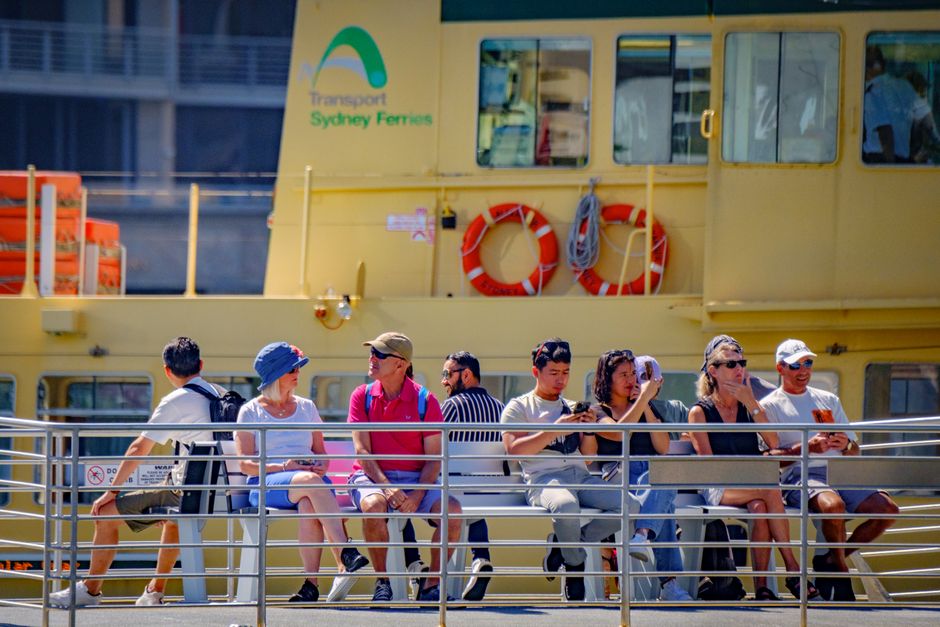
Ferries aren't just sightseeing. The Manly ferry from Circular Quay is faster than driving during morning peak, and the Watsons Bay route offers unbeatable harbour views for the same Opal cost as a regular bus. Summer weekend ferries to Taronga Zoo or Cockatoo Island are practical transport, not splurges.
Cycling infrastructure has improved markedly along the Parramatta River path and through inner suburbs like Marrickville and Newtown. Citybike stations dot the city centre—$2.80 for the first 30 minutes offers cheap movement between, say, Barangaroo and Darling Harbour.
Real talk: Sydney's traffic makes driving inefficient for most inner-city commutes. A reverse commute from the city to Parramatta during afternoon peak? That's viable. Daily Sydenham-to-CBD? Train wins, every time.
The key is planning. Know your peak-hour route before you need it. Test your alternative routes on quieter days. Build in buffer time on unfamiliar trips. Sydney's transport isn't perfect, but it's comprehensive. Master it, and the city opens up.
This article was compiled by AI and screened before publishing. See our editorial standards.
How does this story make you feel?
Spread the word
About this article
Published by The Daily Sydney
Daily brief
Free, in your inbox before 7am. Weekdays.
More in lifestyle