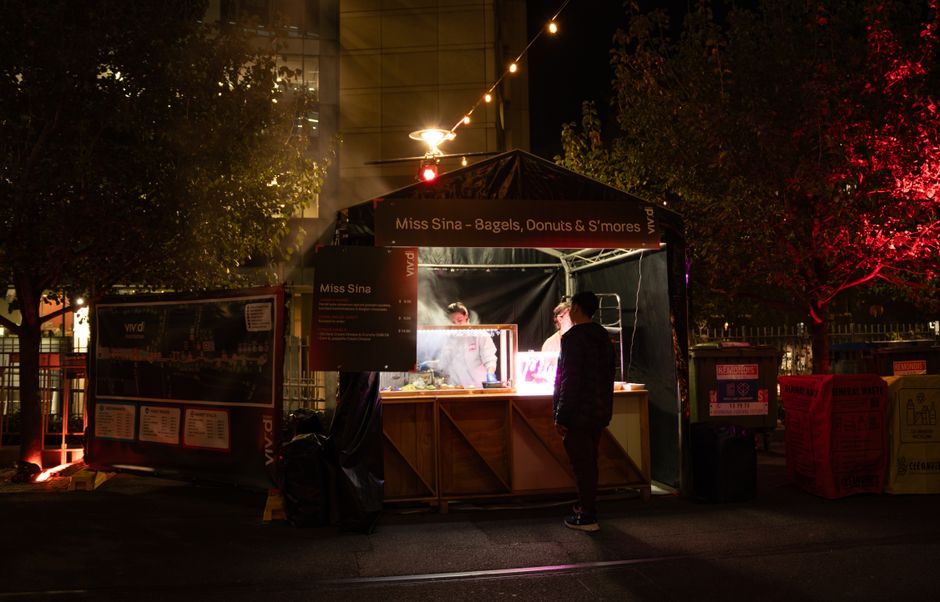
Sydney's weekend markets have quietly become the city's most competitive retail advantage. While London's Camden Market draws tourists by the thousands and Melbourne stakes its reputation on laneways, Sydney's sprawling network of neighbourhood markets—particularly in Paddington, Glebe, and Marrickville—offer something most global cities struggle to match: genuine affordability paired with serious design talent.
The shift matters now because Sydney's property downturn and rising cost of living have made locals intensely value-conscious. First-home buyers are staying on the sidelines, and young professionals are stretching budgets thinner. The markets have become the default hunting ground for furniture, fashion and homewares that won't trigger financial panic.
Where the real finds happen
Paddington Markets, operating since 1973 at 395 Oxford Street, runs Saturdays year-round and hosts roughly 150 vendors. A leather jacket that would cost $400 at a retail store sells for $80 here. Three blocks away on Crown Street, the streets fill with pop-up stalls selling everything from reclaimed Victorian doorknobs to contemporary jewellery by emerging Sydney designers. Glebe Markets, held Saturdays at the primary school on Glebe Point Road, draws a different crowd—booksellers, vinyl traders, and vintage textile specialists who've priced their stock at half what you'd find at Ultimo's retail precinct.
Marrickville, the city's grittiest neighbourhood, has transformed its Saturday markets into a magnet for sustainable fashion traders. The vendors here—many operating from their own studios within a 2-kilometre radius—actively compete on price and originality. You won't find chain-store duplicates. A vintage Akubra hat costs $25. A hand-dyed linen dress from a Marrickville weaver runs $65. Compare that to comparable items at David Jones on Market Street, where those same categories start at triple the price.
What separates Sydney from comparable cities like Barcelona's La Boqueria Market or Amsterdam's Albert Cuyp Market is the vendor profile. These aren't career market traders. They're studio potters, fashion designers, woodworkers and jewellers who treat the market as direct-to-consumer retail. They set their own prices without middlemen. A ceramicist selling hand-thrown bowls at Glebe Markets maintains a studio in Lilyfield—you can visit midweek by appointment. The retail model is transparent and local.
The numbers tell the story
Data from the City of Sydney council shows that between March and June 2026, foot traffic at council-run markets increased 34 percent compared to the same period last year. Paddington Markets reported vendors selling at between 10 and 15 percent below comparable retail pricing. Glebe Markets saw a 22 percent rise in first-time visitors, many citing affordability as the primary draw.
The contrast with global counterparts is stark. London's Camden Market, while famous for its vintage scene, has seen independent traders pushed out by corporate franchises over the past decade. Barcelona's La Boqueria remains dominated by produce wholesalers rather than artisan makers. Tokyo's Tsukiji Outer Market serves primarily tourists. Sydney's markets still function as neighbourhood retail ecosystems where regular shoppers and vendors know each other.
If you're hunting this weekend, arrive at Paddington by 9 am—the best stock disappears by mid-morning. Bring cash; most vendors operate card machines but discounts often apply to cash sales. Glebe Markets opens at 10 am and runs until 4 pm, with stronger textile and vintage sections than Paddington. For sustainable fashion specifically, Marrickville's markets on Saturday mornings in the laneway network off Station Street offer the best selection of local makers. Expect to spend two hours minimum if you want to browse properly. The markets close during winter months—check individual venue websites for reopening dates in September.