The Sunday market circuit in Sydney is undergoing its most dramatic shift in two decades. Vendors who spent the past decade hawking $5 pashminas and clearance homewares are pivoting hard toward small-batch ceramics, vintage clothing, and premium coffee—or simply packing up their gazebos and walking away.
This migration isn't accidental. The economics of the suburban weekend market have flipped entirely. Rising stallholder fees, gentrified neighbourhoods, and social media algorithms that reward aesthetic spaces over discounted goods have fundamentally changed what makes a market work. Paddington Markets and Glebe Markets, two of Sydney's longest-running institutions, have both restructured their vendor rosters over the past 18 months. The message is clear: artisanal beats bulk.
Paddington Markets, operating since 1973 from its Oxford Street location, shifted its vendor allocation significantly this year. The market management deliberately culled fashion resellers and cheap imports in favour of handmade jewellery, small-batch skincare, and local designers. Stallholder fees now run between $85 and $120 per day depending on location, nearly double what they were five years ago. Glebe Markets, the younger institution that opened in 1974, has similarly tightened its curation—fashion stalls must now demonstrate original design work, and importers of generic souvenirs no longer get renewal contracts.
The economics are brutal for old-school traders
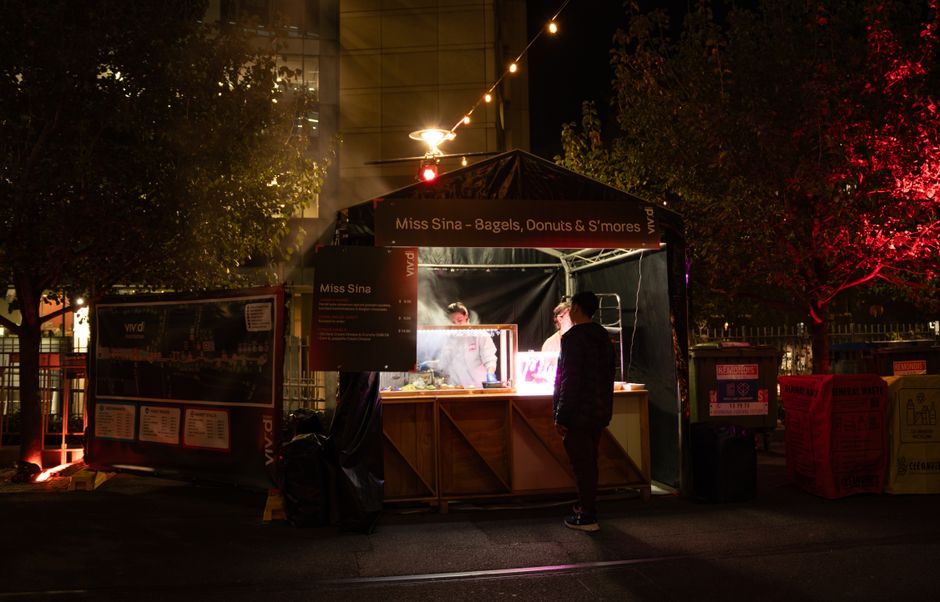
A Saturday morning canvas of the markets reveals the visual transformation. Minimal signage. Pale-coloured banners. Vendors with professionally printed business cards displaying Instagram handles. The crowd demographic has shifted too. Young professionals with disposable income now outnumber the bargain-hunting families who once formed the core market base.
Industry figures suggest Australian weekend markets experienced a 23 per cent drop in footfall between 2019 and 2024, according to market management associations. The stallholders who survived were those who either upgraded their product offerings or already occupied the luxury end of the spectrum. A vendor selling fast-fashion basics for $15 per item now competes directly with Shein and Kmart—and loses on price. But someone selling handthrown pottery or bespoke leather goods has no direct online competitor.
The shift has cleaved the market world. Paddy's Markets in Haymarket, historically Sydney's bulk-goods and fresh-produce hub, remains largely untouched by the artisanal pivot. Its stallholders still move volume—produce, meats, fabrics sold by the metre. Footfall there remains robust because it operates on a different economic logic entirely. But Paddington and Glebe serve inner-ring suburbs where demographics and property values have created a different customer base altogether.
What this means for Sunday shoppers
For Sydney shoppers, the practical effect is straightforward: weekend markets no longer function as a bargain alternative to retail precincts. A vintage leather jacket at Glebe Markets might cost $120. A ceramic bowl at Paddington runs $60. Prices have levelled with boutique shops. The trade-off, from the vendors' perspective, is that their product has higher margins and their Instagram profile attracts wealthier customers who actually make purchases.
The long-term winners appear to be newly opened destination markets that embrace the premium model entirely. Cammeray Markets, which rebranded and restructured in 2024, set vendor fees intentionally high from the start—$110 per day—and restricted their mix to craft, homewares, and locally roasted coffee only. They've reported consistent 8,000-person attendance figures on weekend mornings.
For traders holding onto the old model, the calculus becomes impossible. Higher fees demand higher product prices to offset them. Higher prices narrow the customer base. Narrow customer bases mean fewer reasons to renew the stall next season. The classic weekend markets of Sydney's inner west are being remade in real time, and those who can't adapt are simply stepping aside.