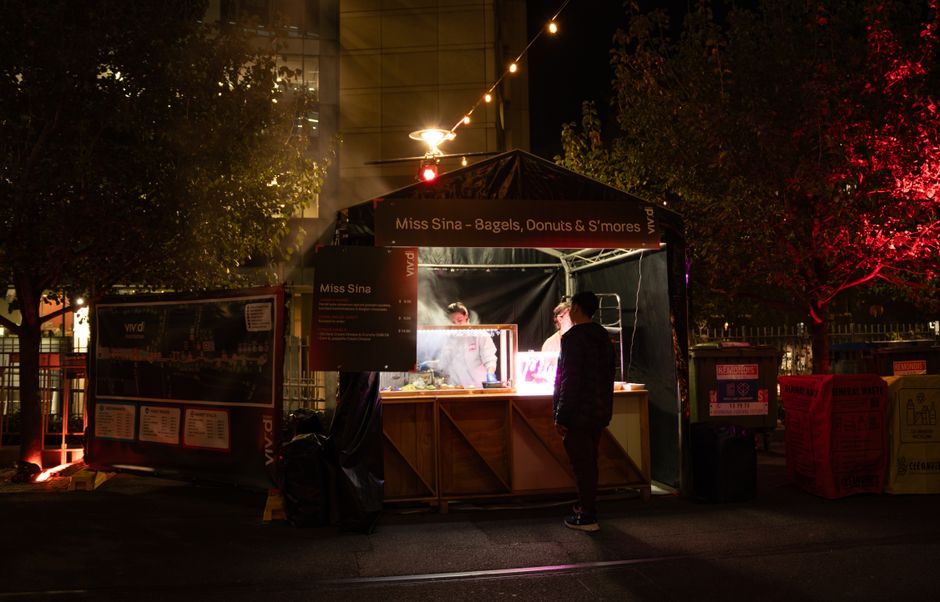
The coffee at Black Star Pastry tastes the same whether you post about it or not. That's the kind of observation locals are making these days as Sydney's inner west grapples with competing visions of what these neighbourhoods should be.
Property prices in Marrickville have climbed past $2 million for a weatherboard terrace, yet the character that drew young families and artists here is fraying. On King Street, boutique fitness studios now outnumber pubs. The question residents are wrestling with isn't whether to move—it's whether the neighbourhood worth moving to still exists where they live.
Real estate agents will tell you Newtown is bohemian. Residents know it's complicated. Yes, King Street still hosts vintage bookshops and the Vanguard nightclub has hosted everyone from international acts to local jazz trios for nearly two decades. But walk past the old Newtown RSL and you'll find student housing towers climbing past eight storeys. The Newtown Neighbourhood Centre on Camperdown Street coordinates community programs, but even volunteers there acknowledge the tension between student accommodation demand and long-term resident retention.
Where locals actually spend their time
Ask someone who's lived in Enmore for five years where to eat and you won't get a list of restaurants. You'll get specific advice. The Friday farmers market at Enmore Park still draws regulars who know which stalls have the best winter produce—blackberries and brussels sprouts are at their cheapest right now, according to July supply reports. But the same spot sees gentrification pressure: median rental prices for a one-bedroom apartment hit $520 per week across the inner west as of mid-2026, up nearly 8 per cent year-on-year.
This matters now because Sydney's livability crisis isn't just about affordability. It's about whether neighbourhoods retain the social infrastructure that made them worth living in. The Inner West Council runs community programs through venues like Marrickville Town Hall, but residents report waiting lists for both affordable community spaces and accessible parking. Residents of Sydenham speak about the M4 motorway as a constant presence—traffic noise at certain hours makes street-level socialising difficult.
What locals consistently recommend requires patience. Get to know one shopkeeper properly rather than sampling every café. Marrickville's Woolworths on Illawarra Road isn't Instagram-worthy but it's where neighbours run into each other. The Addison Road Community Centre in Marrickville offers art classes and community dinners, and showing up repeatedly means you'll eventually know people's names. That matters when you need to borrow a ladder or find out which school is actually taking enrolments.
The practical reality of staying put
Residents in these neighbourhoods aren't naive about what's happening. They see the coffee prices climbing. They see investment properties changing hands. Many are staying because they've already built social networks, secured rental agreements before recent spikes, or invested in property before the latest surge. Others are making active choices to relocate further west—Ashfield, Leichhardt, even further afield—where a family can still afford to stay.
The honest recommendation from people who actually live here: visit a neighbourhood on a Tuesday morning, not a Friday night. Walk the residential streets, not just the commercial strips. Talk to someone working at a local community centre, not a real estate agent. Check whether your budget allows you to stay for at least three years, because that's roughly how long it takes to build genuine community connections in Sydney. And accept that the version of these neighbourhoods you're moving toward may not be the version you'll experience in five years. The inner west is changing faster than most people can adapt to it.