Beyond Your Street: A practical guide for Sydney residents ready to explore their neighbourhood
With property prices cooling and commutes shortening, Sydneysiders are finally investing time in the blocks around them. Here's where to start.
With property prices cooling and commutes shortening, Sydneysiders are finally investing time in the blocks around them. Here's where to start.
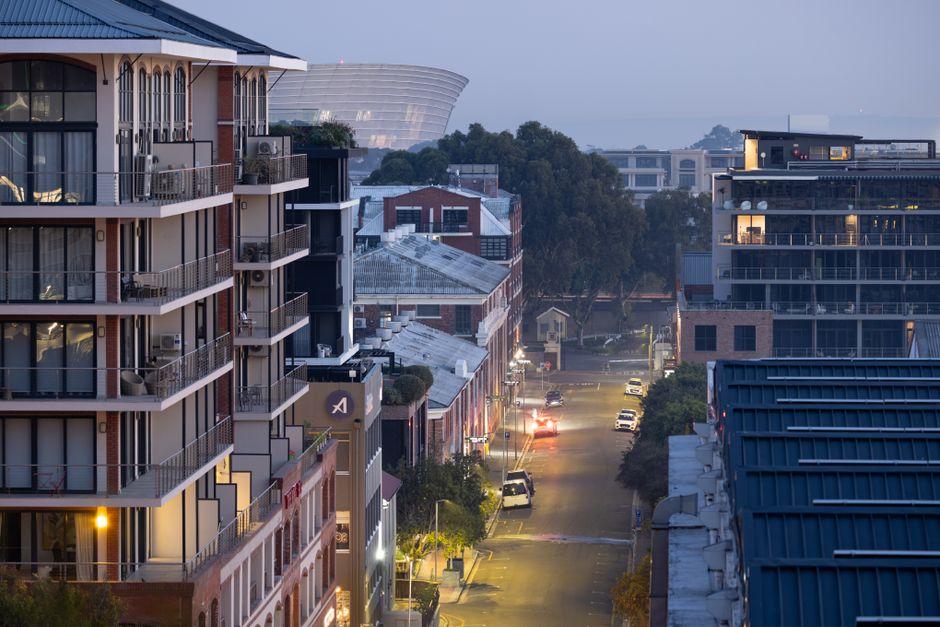
Sydney residents are spending more time at home. That's partly because mortgages are eating larger chunks of household income and partly because the office commute no longer feels inevitable. The upside: your neighbourhood has become valuable real estate in a different way—as somewhere worth actually knowing.
The shift matters now because the property market slowdown, which has made first home buyers cautious about purchase decisions, has created space for existing residents to think differently about where they live. Rather than treating their address as a financial asset to flip, people are asking what's actually walkable from their door. A July 2026 Knight Frank report found Sydney median house prices dropped 3.2 per cent over the past six months, suggesting buyers are prioritising livability over appreciation.
Begin small. Pick three streets parallel to yours and walk them on a weekend morning. In Redfern, that might mean exploring the laneway between Regent and Percival streets, where independent grocers and a community garden sit quietly next to heritage terraces. In Strathfield, the streets leading toward Homebush Bay offer unexpected reserve pockets and local bakeries you'll miss from a car. Even in inner neighbourhoods like Crows Nest, walking Victory Street to Falcon Street yields council-maintained pocket parks and corner cafes that never register on anyone's mental map until they actually move through them on foot.
The Community Centre model works well here. Most Sydney councils operate neighbourhood centres that run free or low-cost programs—Marrickville Community Centre on Goulburn Street offers accredited workshops from carpentry to budgeting. Glebe Community Centre hosts book swaps and seasonal markets. These venues operate as social connectors, not just service hubs. They're where you learn that the real estate agent never mentioned a community garden program or a tool library.
Speak to local shopkeepers. The Greek bakery owner on Marrickville Road has worked the same corner for 23 years. The woman managing the hardware store on King Street Newtown knows which rentals are about to go on market before the signs go up. They're information sources and, more importantly, they're proof that human commerce still exists at neighbourhood scale.
Write down where you actually need to go. The nearest bulk fresh produce market—Inner West Markets operates Tuesdays at Addison Road Community Centre in Marrickville, selling tomatoes at $4 a kilogram when supermarket prices sit at $7.99. Farmers markets at Glebe Markets or the weekend traders at Paddington Markets on Thursdays. Your closest library, which probably offers programs you've never accessed. Sydney Library's Parramatta branch launched a free digital skills program for over-55s in March 2026; similar offerings exist across the network.
Identify green space beyond the obvious parks. Foley Park in Strathfield, Turrella Park in Coogee, Belmore Park in Surry Hills each have different seasonal rhythms and user communities. Walking a park at 7 a.m. versus 3 p.m. shows you entirely different neighbourhoods—runners and workers versus parents and retirees.
Price matters to what you'll actually use. The Sydney Morning Herald's July fresh-produce guide noted blackberries and brussels sprouts as winter's best value. Shopping at the source—Paddy's Markets in Haymarket, or council-listed farmers markets—consistently undercuts supermarket pricing by 30 to 40 per cent.
Set a three-month exploration target. Visit one new venue per week. Try the cafe you've walked past 200 times. Attend a council community meeting. Join a local Facebook group or community board—Nextdoor operates across Sydney suburbs and shows what locals actually talk about. Within 12 weeks, your postcode stops being a house address and starts feeling like home.
How does this story make you feel?
Spread the word
About this article
Published by The Daily Sydney
Daily brief
Free, in your inbox before 7am. Weekdays.
More in lifestyle