Inner West real estate cooling down—here's what locals actually want from their neighbourhoods
As property prices stabilise across Sydney, residents who've chosen to stay reveal which suburbs still deliver on community, convenience and livability.
As property prices stabilise across Sydney, residents who've chosen to stay reveal which suburbs still deliver on community, convenience and livability.
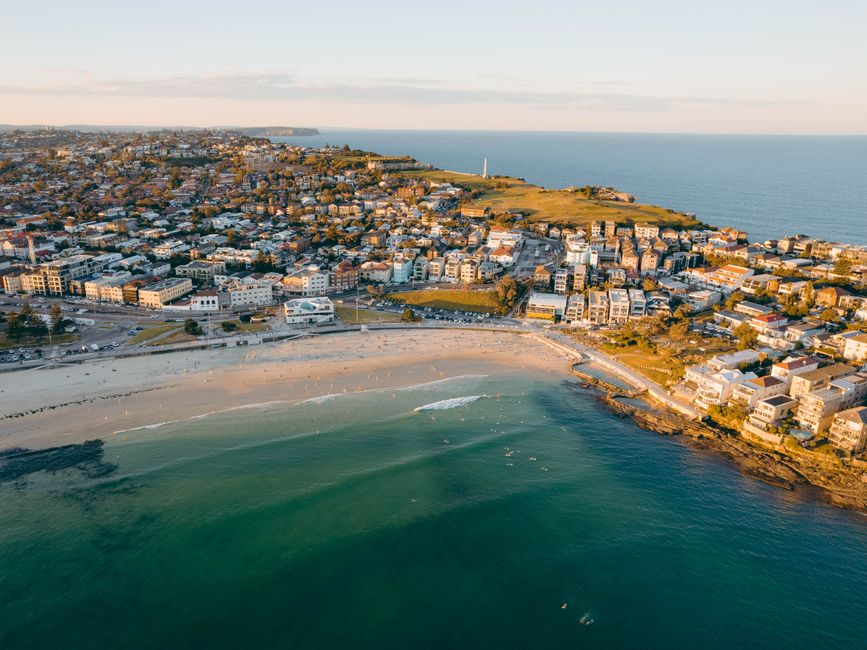
The Inner West isn't moving as fast as it used to. Property values in suburbs like Marrickville and Enmore have flatlined over the past eight months, according to CoreLogic data released this week. That slowdown is forcing newcomers and existing residents to think harder about what they actually want from their neighbourhood—and locals who've stuck around are surprisingly clear about the answer.
This pivot matters now because Sydney's property market has fundamentally shifted. First home buyers are backing away from bidding wars, mortgage stress is real at $750,000-plus price points, and the romance of suburban renovation has worn thin for many. People are weighing up whether a neighbourhood delivers genuine community infrastructure alongside a mortgage. The old calculus—buy anything that's trending—no longer works.
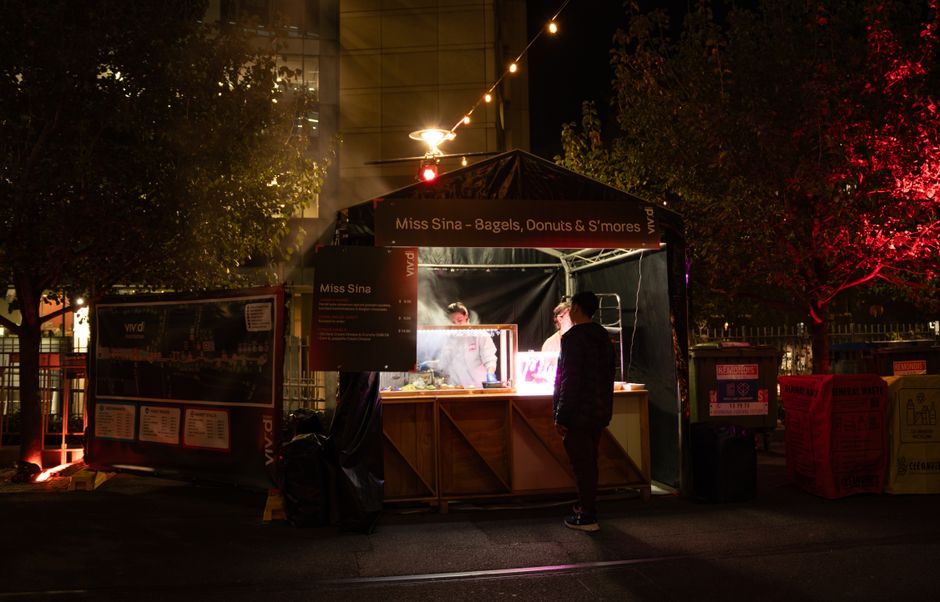
Sally Hepworth, who runs the Marrickville Markets through the Marrickville Community Centre on Addison Street, watches foot traffic patterns closely. "People used to move here for the Instagram factor," she says. "Now they're asking whether the local shops stay open past 6 p.m., whether there's actually a doctor's surgery within walking distance, whether their kids can get into the local primary school." The community centre itself coordinates everything from ESL classes to men's sheds to youth mentoring programs—the unglamorous infrastructure that makes a suburb livable.
Glebe offers a case study in this shift. The suburb has maintained consistently higher property values—median asking prices sit around $1.38 million for a two-bedroom terrace—but locals attribute that to genuine amenity rather than hype. The Glebe Markets run every Saturday at Wentworth Park, drawing established residents alongside new arrivals. Cafes on Glebe Point Road operate on the assumption people will stay for hours, not minutes. The local pool at Cook and Phillip Park fills with regularity year-round because families know it's there and trust the schedule.
What separates a neighbourhood that works from one that merely photographs well comes down to specifics. Public transport reliability ranks higher in resident surveys than streetscape design. Parks matter, but only if they have proper facilities—playground equipment that doesn't require parental vigilance, seats for older people, lit pathways for evening exercise. Schools fill faster than they should, so proximity becomes currency.
The NSW Department of Planning data shows Sydney's inner suburbs have absorbed 12,000 new residents since 2023, but that growth has concentrated in pockets with existing good schools and medical services. Marrickville Primary School now has a wait list despite expanding capacity. The Marrickville Medical Centre on Marrickville Road takes new patients sporadically. These aren't new problems, but the property slowdown has made them impossible to ignore.
Locals recommend checking three things before moving: First, visit a neighbourhood on a Tuesday evening, not a Saturday brunch peak. Walk from the station to the main street and back. See what's actually open and who's actually there. Second, talk to the existing parents at the local school gate if you have kids—they'll tell you real wait times and actual school performance, not website marketing. Third, use the local library's program calendar as a proxy for community vitality. If it's booked up and diverse, the suburb's probably maintaining itself well.
For those making the move now, the cooling market paradoxically offers advantage. You're not paying for momentum. You're choosing based on what a place actually offers. Inner West suburbs like Stanmore, Dulwich Hill and Ashfield still offer reasonable value—median prices have dipped 3-4 per cent—while retaining decent bus corridors, local shopping strips and established community networks. These aren't the suburbs that made headlines three years ago. That's the point.
The question locals consistently pose to newcomers: Are you here for five years or twenty? If it's the latter, forget the trending postcodes. Pick a place where the RSL club hosts community dinners, where the local butcher knows regulars by name, where the council actively maintains footpaths. Pick somewhere a child could safely ride to the local café. Property prices matter less than staying power. Sydney's Inner West, right now, is finally rewarding that logic.
How does this story make you feel?
Spread the word
About this article
Published by The Daily Sydney
Daily brief
Free, in your inbox before 7am. Weekdays.
More in lifestyle