Sydney's parks are no longer just places you cut through on the way somewhere else. Over the past 18 months, a quiet revolution in how the city uses its green spaces has taken hold, driven by a combination of new infrastructure, community programming, and something simpler: locals who've stopped treating outdoor areas as afterthoughts to their actual lives.
The shift matters now because Sydney's property market has tightened dramatically. First home buyers are priced out across inner and middle suburbs. Renters are stretching budgets to breaking point. When your apartment is smaller and more expensive than it used to be, the park outside becomes less of a luxury and more of a necessity—an extension of home that costs nothing to access. The city's planning department has quietly responded by treating parks as actual public infrastructure, not decoration.
Where the changes are most visible
Centennial Park installed a new $8.2 million pavilion in early 2025 that functions less like a café and more like a community living room. The structure has covered seating for 300 people, programmable spaces for markets and performances, and intentionally no roof over half of it—Sydney sun management for people who actually want to be outside. On weekends now, the lawn fills with people who've brought their own food, their kids, their dogs, their books. They stay for hours.
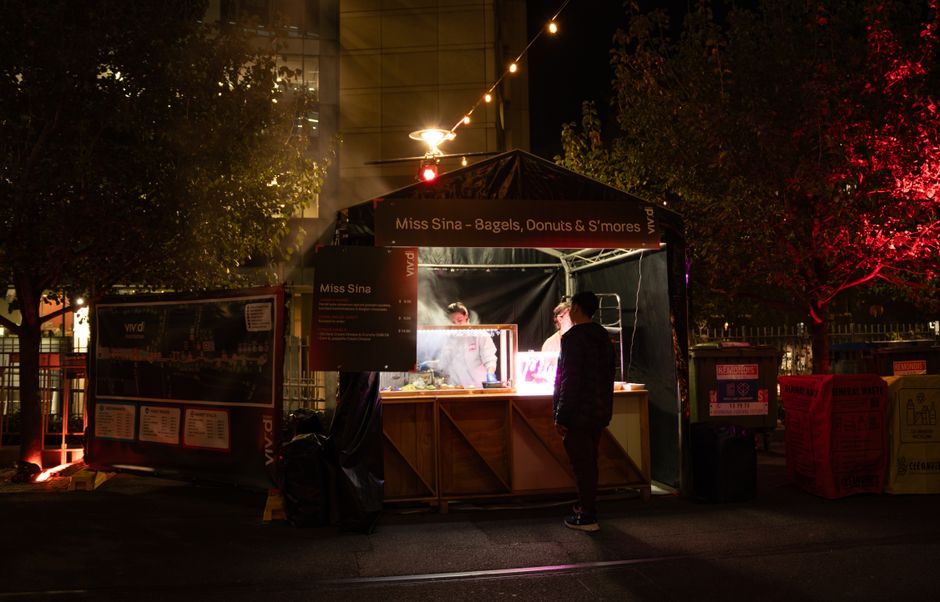
Meanwhile, Marrickville has seen a boom in what council calls "activation programming." The stretch of Addison Road near the Town Hall, which was functionally a thoroughfare three years ago, now hosts a farmers market every Saturday morning. The Marrickville Community Centre partnered with local growers to make it happen. What started as a trial in March 2024 has become permanent because foot traffic for the market increased retail spending in the surrounding shops by roughly 12 percent, according to the Marrickville Chamber of Commerce.
Glebe's Victoria Park underwent a redesign in 2024 that removed much of the ornamental fencing and replaced it with low-rise seating terraces. The move sounds minor. It wasn't. Before, the park was open but felt formal—you could see it, but entering felt like crossing into someone else's space. Now there are multiple entry points, the lawn slopes gradually, and people sprawl across it with picnics, yoga mats, and laptops. Usage counts during weekday afternoons have jumped 40 percent since the redesign, according to City of Sydney data.
The numbers tell the story
The City of Sydney commissioned a study in 2025 measuring park usage across 15 major green spaces. Parks with seating, weather protection, and regular programming saw average visitor numbers increase by 28 percent year-on-year. Parks without those amenities saw usage remain flat or decline slightly. The data isn't subtle: people use outdoor spaces when they're designed for actual use, not just passive appreciation.
Rental prices in suburbs with significant green space upgrades—Marrickville, Glebe, Redfern—haven't risen as fast as suburbs without them. That's partly coincidence, partly that renters explicitly cite park access as a deciding factor when choosing where to live. Real estate agents on the inner west now mention park improvements in listing descriptions. They didn't used to.
What's happening next is both obvious and still unfolding. The council has earmarked $45 million for green space upgrades across Sydney through 2028. Redfern Park is getting similar treatment to Centennial Park. Parks in Southbank, Darling Harbour, and Zetland are in the planning phase. The shift is becoming policy.
For now, locals should treat their local parks as tools. Check what programming is happening—most inner-city parks have websites listing markets, yoga classes, and events. Bring a blanket. Bring work. Bring friends. Bring nothing. The parks are finally built for you to actually be there, not just pass through.