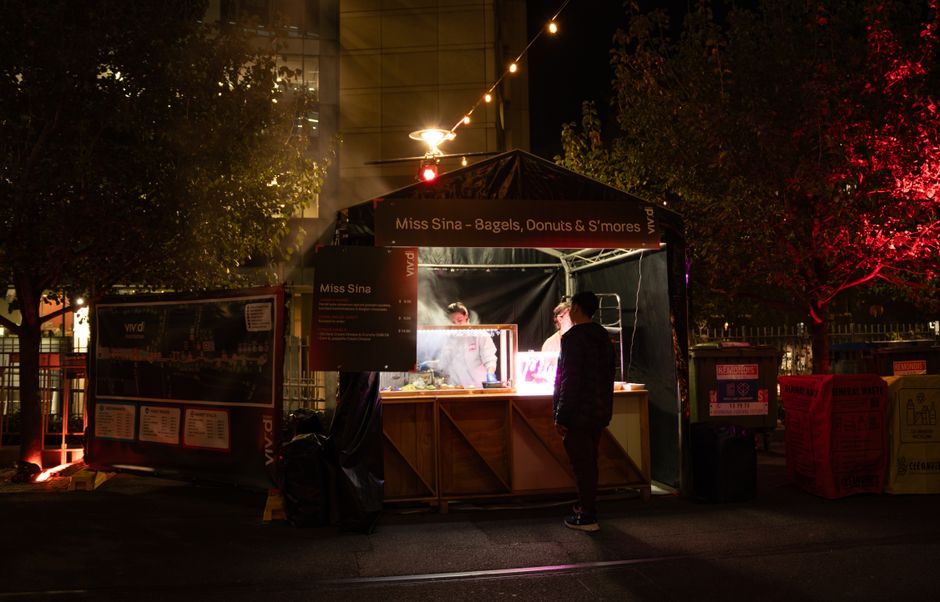
The stall holders at Glebe Markets aren't selling mystique anymore. What they're selling is value, and the shift is dramatic enough that some of the neighbourhood's longest-running vendors have scrapped their carefully curated aesthetic entirely.
Three years ago, Sydney's Saturday and Sunday markets hummed with the logic of Instagram tourism. Vintage leather goods marked up 40 percent. Artisanal sourdough at $8 a loaf. Hand-poured candles. Macramé plant hangers. The crowds came thick, wallets open. Today, that same strip of Broadway overlooking Glebe Park tells a different story. Vendors are moving stock faster and cheaper. The premium has collapsed. And the markets themselves are no longer operating as lifestyle experiences for inner-city aesthetes—they're operating as survival infrastructure for people who need to find a bargain.
"I've dropped my prices about 30 percent across the board," said one long-time stallholder at Glebe Markets who has worked the circuit for nine years. "People used to come because it was trendy. Now they come because they actually need to save money." The shift accelerated sharply between early 2025 and now, coinciding with rental stress squeezing Sydney households and mortgage holders running on fumes.
Where the deals are real, and the margins are thin
Paddy's Markets in Haymarket has absorbed the same pressure differently. The Thursday through Sunday fixture—operating out of its purpose-built hall since 1810—has traditionally anchored the city's working-class shopping culture. It's where families buy bulk vegetables, frozen goods, and clothing at prices that chain supermarkets won't touch. That customer base hasn't shifted much. But the volume has intensified. Haymarket Markets spokesperson noted in June that Thursday footfall had increased 22 percent year-on-year, while average basket spend had dropped 8 percent. People are shopping smarter, buying smaller quantities, hitting the market more often.
The transformation ripples outward. Moore Park Markets, operating Friday to Sunday across the racecourse precinct, has seen stallholder numbers fluctuate. Vendors report rents for stall space running between $180 and $320 per day depending on location and season. When foot traffic doesn't justify those costs, operators exit. Some relocate to cheaper Sunday-only markets like those at Marrickville or Waterloo. Others pivot entirely—moving online or accepting cash-only sales to reduce merchant fees.
The numbers tell the story. Australian Bureau of Statistics data released last month showed retail foot traffic across weekend markets and outdoor shopping precincts declined 11 percent across the June quarter compared to the same period last year. But that masks what's actually happening: people aren't shopping less at markets. They're shopping differently. They're buying staples—fruit, vegetables, bread, clothing basics—rather than experiential goods. And they're expecting prices that match or beat the supermarket.
The resilience play
Some vendors have turned this pressure into strategic advantage. Stallholders who stock fresh produce—particularly winter items like brussels sprouts, broccoli, and blackberries, which are hitting peak supply and lowest prices in July—report steady or growing margins because they're moving volume. Those selling imported goods or hand-finished products are struggling. A stallholder selling vintage clothing at Moore Park Markets shifted in May from a focus on rare designer pieces to bulk mixed lots at $3 to $5 per item. She's moved more stock in the past two months than the previous six combined.
For Sydney shoppers navigating rent increases and grocery bills that have climbed faster than wages, the markets have become less leisure destination and more essential service. That's a stability play for established venues like Paddington Markets or those with strong community anchors—the stallholders selling what locals actually need will survive. The ones betting on lifestyle marketing won't.
If you're hunting actual deals, the formula is straightforward: head to Paddy's for vegetables and staples, arrive early when selection is widest, and bring cash. Moore Park and Glebe Markets work best mid-morning on Sundays when crowds thin but stock remains. And expect vendors to be direct about what they can move and at what price. That's not a weakness in the market right now. That's the point.