Marrickville Fights Back: How Creative Communities Resist Sydney Gentrification
A walk through Sydney's most vocal inner-west enclave reveals how creative communities are fighting to keep character alive as property prices soar.
A walk through Sydney's most vocal inner-west enclave reveals how creative communities are fighting to keep character alive as property prices soar.
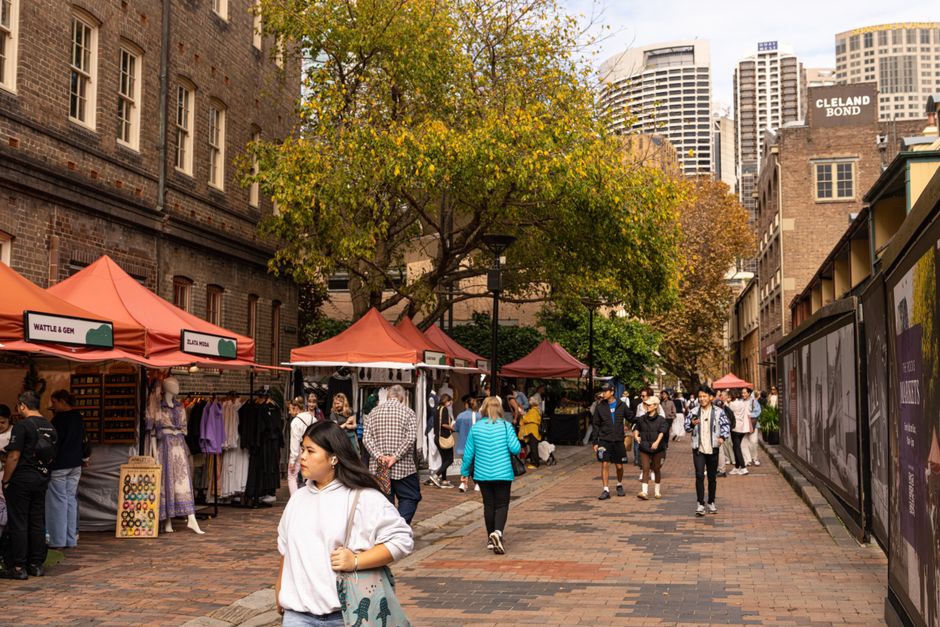
Marrickville in July feels like a neighbourhood caught between two conversations. On Marrickville Road, independent galleries share footpaths with chain cafés. Artist collectives occupy heritage warehouses alongside boutique fitness studios. The median house price has climbed past $2 million—a sevenfold jump in two decades—yet the street art still bristles with community activism, and the neighbourhood's beating heart remains stubbornly unmoved.
"What's kept Marrickville grounded is that people actually live here," says one long-time venue operator on Pope Street, where live music venues and independent bookshops continue to anchor the strip. The neighbourhood's character hasn't survived by accident. It's been fiercely defended by residents, artists, and community organisations who've learned that gentrification isn't inevitable if communities stay vocal.
Walk through the laneways behind Chapel Road and you'll find what makes Marrickville distinct: the Marrickville Community Gardens, a sprawling green space where locals still grow vegetables and host weekend gatherings. It's a tangible reminder that neighbourhood character depends on shared spaces, not just heritage architecture. Winter produce like blackberries and brussels sprouts grow here alongside the serious business of community building.
The Marrickville Festival, held annually on King Street, draws 40,000 people—proof that grassroots events still matter in an age of algorithmic social feeds. Local schools, sports clubs, and established Greek, Italian, and Vietnamese businesses use the festival to reassert what they've built over generations. It's less about Instagram moments and more about intergenerational continuity.
What distinguishes Marrickville from other gentrified inner-west suburbs is the deliberate creation of friction. Artist squats became licensed creative spaces. Street art gained heritage protection. Community advisory committees fought—and won—battles against overdevelopment on King Street. When rent pressures forced beloved venues to close, locals didn't accept it quietly.
None of this is to suggest Marrickville has avoided gentrification's grip. It hasn't. A cappuccino costs $5.50. Renovation notices appear regularly. Young professionals increasingly dominate the demographic. But the neighbourhood retains something many Sydney suburbs lose in transition: a sense that residents have agency in shaping where they live.
That's the real story of Marrickville in 2026—not that it's been saved from change, but that its community has remained visible enough, organised enough, and loud enough to ensure the neighbourhood's transformation includes a seat for the people who built it. It's messier and more contested than a polished gentrification narrative. It's also more authentic.
This article was compiled by AI and screened before publishing. See our editorial standards.
How does this story make you feel?
Spread the word
About this article
Published by The Daily Sydney
Daily brief
Free, in your inbox before 7am. Weekdays.
More in lifestyle