Glebe Markets shifts gears: how Sydney's weekend bazaar is ditching chaos for curated cool
As rents bite and foot traffic patterns change, the inner-west institution is reinventing itself—and young vendors are watching closely.
As rents bite and foot traffic patterns change, the inner-west institution is reinventing itself—and young vendors are watching closely.

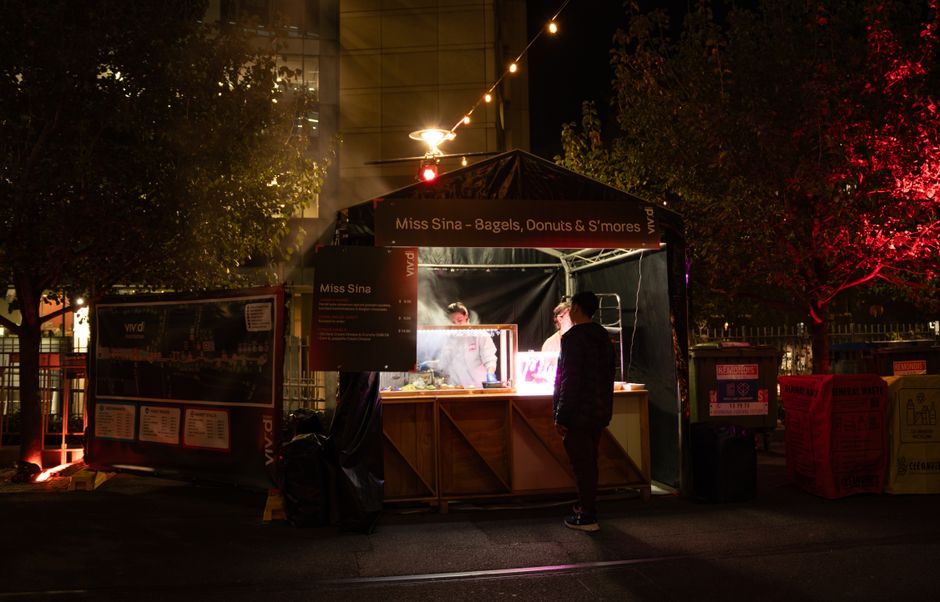
Glebe Markets won't look quite the same when the stalls open this Saturday. After 40 years of operating the same sprawling Saturday setup on the grounds of Glebe Public School, the institution is halving its footprint, condensing from 250 vendors across the whole site to around 150 in a tighter configuration focused on the Broadway end of the grounds. The shift marks the first major overhaul since the markets began in 1986, driven by rising insurance costs, stricter council regulations, and a blunt reality: many of the old-guard vintage dealers and bric-a-brac floggists simply aren't showing up anymore.
The timing matters. Across Sydney's inner west, neighbourhood retail is under genuine pressure. Rents on King Street in Newtown have climbed 35 percent in three years, according to commercial property data from JLL. Young vendors who once saw Glebe Markets as a cheap entry point to retail are now pricing themselves out of the physical stall game entirely—many have migrated to Instagram shops or marketplace apps where overheads sit closer to zero. The markets themselves have become less a casual weekend rummage and more a tourist attraction, which changes what sells and who bothers setting up.
Sarah Chen, who's run a sustainable fashion stall at Glebe Markets for six years, says the new configuration actually makes sense for her business model. "The old setup was chaos," she tells me over coffee near the Broadway strip. "You'd get lost walking between sections. Now they're clustering similar traders—clothes in one zone, homewares in another, food trucks at the perimeter." She's paying slightly more for her smaller plot but expects better foot traffic concentration. That's the calculated bet management has made: fewer vendors but denser customers.
The exodus has been selective. Gone are many of the record dealers who formed Glebe's backbone through the 1990s and 2000s—streaming killed that business model. Several long-term furniture restorers have retired or downsized. But newer operators in zero-waste groceries, handmade ceramics, and vintage clothing have expanded their plots. The Groundswell collective, a network of local sustainability vendors, now operates three adjoining stalls where five years ago there were two independent traders.
Compare this to what's happening at Paddington Markets, the other major weekend institution. Paddington's operator, the Waverley Council, has kept the Wednesday and Saturday format relatively stable but tightened vendor curating dramatically. Entry fees climbed from $45 in 2023 to $68 by mid-2026—a 51 percent increase that's deliberately filtering out casual floggists. The markets' average foot traffic on a Saturday peaked in 2019 at around 8,000 visitors but now sits closer to 5,500, according to council records accessed through an information request. Those numbers drove both venues to rethink their model.
The practical upshot: if you're hunting Glebe's old-school experience, act quickly. The vintage booksellers are consolidating to three joint stalls instead of twelve scattered ones. The kitchen equipment dealers—the ones with the $2 chopping boards and the hand-crank pasta machines—are down to two operators instead of five. What's expanding is prepared food (eight vendors now, up from three), plant nurseries (four active, versus one), and makers selling directly to consumers: jewellers, potters, textile artists working under their own brand names.
For first-time visitors or seasoned haunters thinking about jumping in as vendors, the lesson is straightforward: niche specificity wins now. Generic vintage won't cut it. You need a story, a sustainability angle, or a product that can't be gotten cheaper on Instagram. Glebe Markets isn't dying—it's professionalizing. Whether that makes it more appealing or less depends entirely on what you came looking for.
How does this story make you feel?
Spread the word
About this article
Published by The Daily Sydney
Daily brief
Free, in your inbox before 7am. Weekdays.
More in lifestyle