Why Sydney's Markets Stand Apart: What You Won't Find Anywhere Else in the World
From Paddy's Markets' 200-year legacy to the hyperlocal ethos of Inner West pop-ups, this city has cracked a code that global retail capitals are still chasing.
From Paddy's Markets' 200-year legacy to the hyperlocal ethos of Inner West pop-ups, this city has cracked a code that global retail capitals are still chasing.
Sydney's retail culture has always operated by different rules. While London funnels shoppers into Oxford Street and Tokyo perfects the art of the mega-mall, this city has built something messier, more human, and infinitely harder to replicate: a market system where the buyer and seller still lock eyes across a stall.
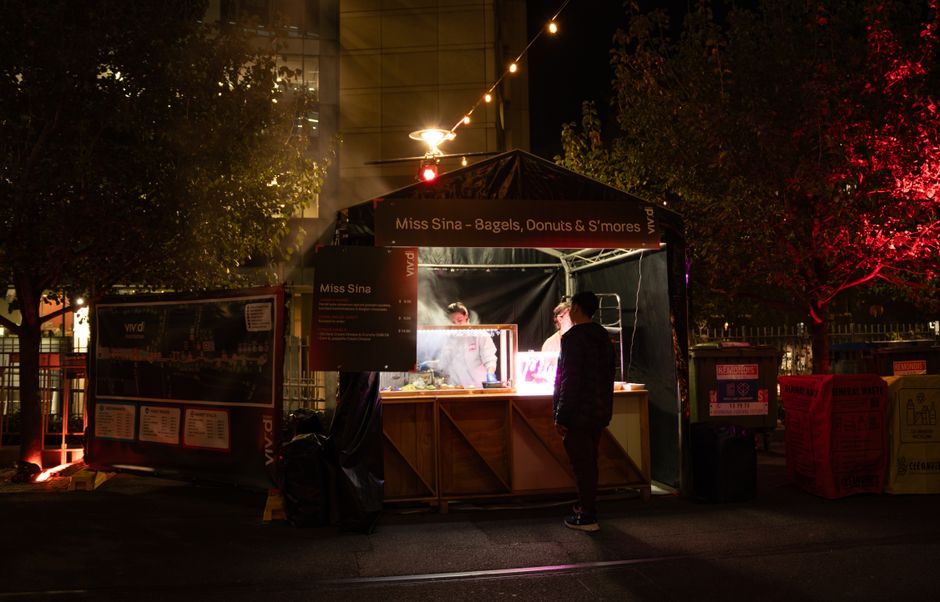
That distinction matters now more than ever. As Australian first-home buyers retreat from the property market and economic uncertainty reshapes consumer behaviour, locals are gravitating toward markets as both a practical necessity and a social anchor. Paddy's Markets in Haymarket, operating continuously since 1810, processes roughly 10,000 visitors weekly during winter months—a figure that swells considerably when families reassess their spending habits during slower economic periods. The venue's mixed retail model—produce vendors operating alongside fashion stalls, homewares sellers nudging up against specialty food traders—creates a different shopping rhythm entirely from the curated sterility of suburban shopping centres.
What separates Sydney from comparable global cities is the deliberate preservation of this kind of friction. Melbourne has its Queen Vic Market, certainly, but Sydney's network extends far beyond the obvious tourist attractions. The markets ecosystem here includes Glebe Markets (Saturdays, Glebe Public School), which hosts roughly 150 stalls selling everything from handmade ceramics to organic preserves, and operates on a volunteer-driven model that simply wouldn't scale in most international retail contexts. Inner West locations like Marrickville have spawned a new generation of hybrid markets—part farmer's market, part art fair—that sit somewhere between commerce and community organising.
The retail landscape shifted visibly over the past 18 months. Commercial real estate consultancy CBRE's latest Sydney retail report indicated that foot traffic in traditional shopping malls dipped 8.2 percent through 2025, while outdoor and open-air markets grew by 12.7 percent year-on-year. That trend tells a story about consumer preferences that goes beyond price—though price certainly matters when inflation has pushed grocery costs up an average of 18 percent since 2023.
Markets work here because Sydney's geographic sprawl and neighbourhood identity run deep. Glebe residents don't see Paddy's Markets as competition; they see them as different creatures serving different purposes. Paddy's operates as the high-volume, working-class clearance hub—a single bunch of broccolini selling for $1.50 versus $4.99 at the supermarket. Glebe Markets function as the artisanal, social space where a weekend trip is an outing, not just a transaction. Neither cannibalises the other because they've never occupied the same psychological space.
Compare that to European models. Barcelona's La Boqueria still moves foot traffic, but it's been steadily colonised by tourist-targeted restaurants and premium food stalls that price out local vendors. London's Borough Market transformed into something between a museum exhibit and a premium food court. Sydney has managed to maintain parallel systems—the authentic working market and the weekend leisure market can coexist because the city never unified them into a single "experience" to be packaged and sold.
The pop-up market trend spreading across Marrickville, Alexandria, and Enmore suggests the market model is evolving rather than fading. These aren't nostalgia projects. They're responding to real constraints: local producers can't afford permanent shopfront rent (CBD commercial space sits at $380-$420 per square metre annually), but they can participate in a rotating market for a weekend stall fee of $50-$150. That economics works for both vendor and customer.
If you're navigating this landscape for the first time, the weekly rhythm is simple. Paddy's Markets runs Tuesday to Sunday, year-round. Glebe Markets operate Saturdays only, with slightly different vendor rotation each week. The Inner West pop-ups—check Marrickville Town Hall and the grounds around Enmore Road—operate on irregular schedules but maintain active social media presence. Prices vary wildly. You'll spend less at Paddy's, but quality control is more variable. Weekend artisanal markets carry premium pricing but guarantee you're buying directly from makers.
What makes this system work, ultimately, is that Sydney never decided markets were quaint or obsolete. They're just how some people shop, and that acceptance—that refusal to choose between convenience and connection—is precisely what international retail capitals have spent the last two decades trying to get back.
How does this story make you feel?
Spread the word
About this article
Published by The Daily Sydney
Daily brief
Free, in your inbox before 7am. Weekdays.
More in lifestyle