Sydney Transforms Climate Challenge Into Urban Survival Strategy
While the rest of the world debates the new normal, Sydney is transforming its culture of outdoor endurance into a survivalist social experiment.
While the rest of the world debates the new normal, Sydney is transforming its culture of outdoor endurance into a survivalist social experiment.

Sydney just sweltered through its hottest June since record-keeping began in 1859, with the Bureau of Meteorology confirming a mean temperature that left local winter wardrobes largely untouched. While European capitals grapple with their own heat anomalies, Sydney’s unique geography—sandwiched between the Tasman Sea and the Blue Mountains—is forcing a radical shift in how we inhabit public space. The harbour city isn't just getting warmer; it is becoming a laboratory for how a modern metropolis keeps moving when the mercury refuses to drop.
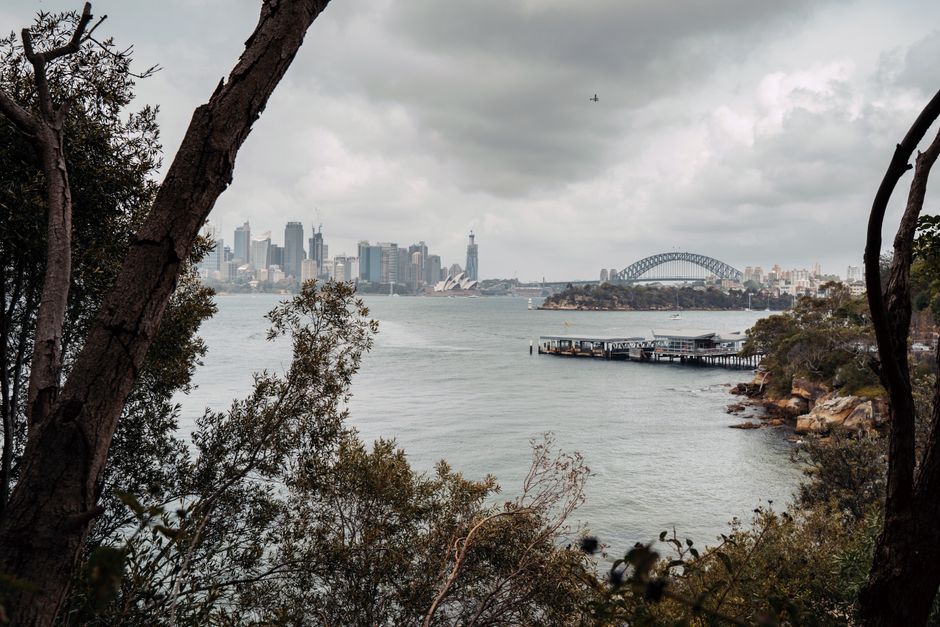
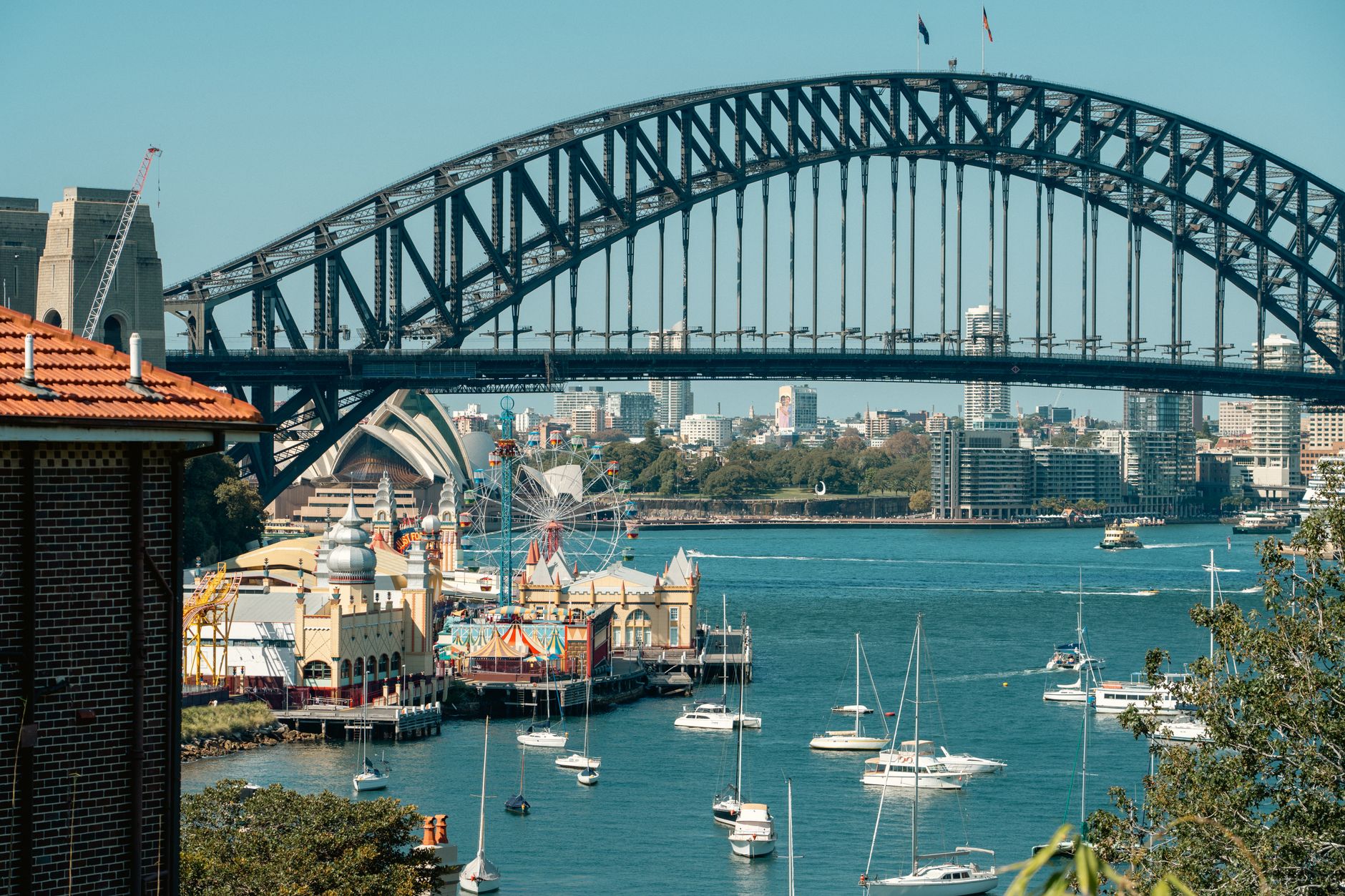
Our resilience is tied to the public water network. Walking past the Bondi Icebergs Club or through the gates of the Prince Alfred Park Pool in Surry Hills, you see the city’s blueprint for adaptation. Unlike cities in the northern hemisphere that retreat behind closed doors during heatwaves, Sydney continues to funnel life toward the shoreline. The Parramatta River is no longer just a commuter artery; it is a thermal refuge, with investment in ferry terminal shade structures accelerating under the current Transport for NSW capital works plan.
This isn't merely about comfort; it is a logistical necessity. Data released this morning shows that public transport usage remained at 92 percent of typical levels throughout the recent heat spike, defying historical trends where commuters typically abandon the CBD. The $1.2 billion Sydney Metro extension has become a critical climate-controlled spine, allowing thousands to navigate the inner-city hubs of Barangaroo and North Sydney without setting foot in the direct sunlight of George Street.
Cultural institutions are adjusting their clocks to match the shifting climate. The Sydney Hair Festival, held at the ICC Sydney last weekend, saw organizers shifting the primary competition blocks to earlier, cooler morning hours to protect both the talent and the crowds. Similarly, local grocers at the Carriageworks Farmers Market report a 15 percent surge in demand for cold-weather staples like brussels sprouts and blackberries, even as the outdoor temperature mimics a mild spring day. The juxtaposition of winter pricing and summer attire has become the hallmark of this particular July.
Residents are advised to monitor the NSW Health 'Beat the Heat' dashboard, which has updated its risk assessment criteria for the coming weekend. Expect retail and hospitality venues in the Rocks to lean further into 'mist-cooling' technology, as the city prepares for a July that looks, feels, and functions more like a typical October. If you’re heading to the city center this Saturday, plan your transit for the early morning window before the 10:00 AM heat accumulation begins, and prioritize the cooling zones established by the City of Sydney council at Town Hall and Customs House.
How does this story make you feel?
Spread the word
About this article
Published by The Daily Sydney
Daily brief
Free, in your inbox before 7am. Weekdays.
More in lifestyle