How Sydney's Emergency Response Stacks Up Against London, Toronto and Singapore
As global cities grapple with rising crime and emergency pressures, Sydney's triple-tiered policing model offers lessons—and warns of pitfalls.
As global cities grapple with rising crime and emergency pressures, Sydney's triple-tiered policing model offers lessons—and warns of pitfalls.
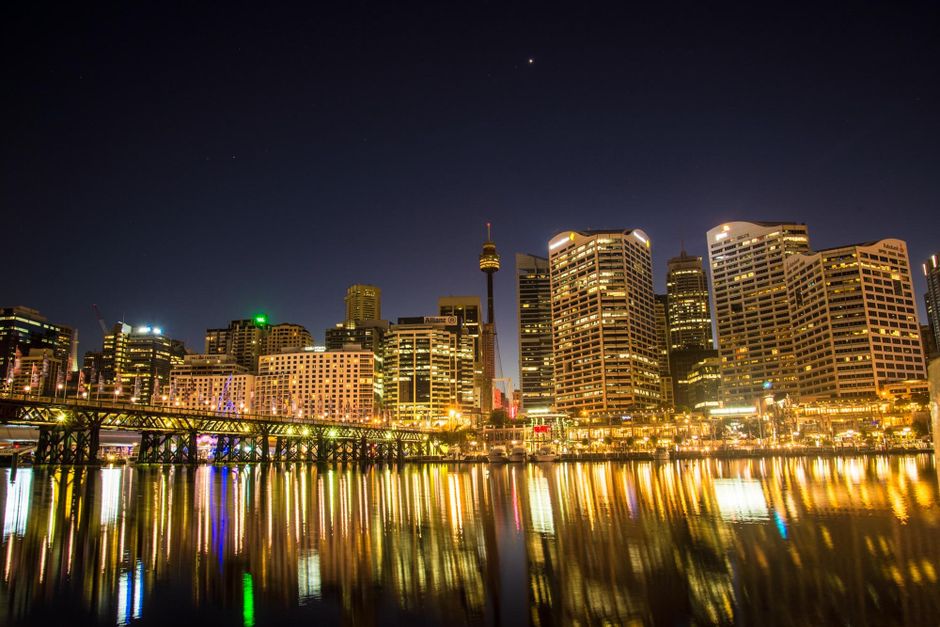
When a stabbing incident erupted in Parramatta's Church Street precinct last month, NSW Police had officers on scene within four minutes. That response time has become a benchmark for Sydney's emergency services—and increasingly, a point of comparison with other major cities wrestling with public safety challenges.
Across the globe, urban centres are experimenting with different approaches to crime prevention and emergency response. London's Metropolitan Police has expanded its dedicated knife crime units following a spike in violent offences. Toronto's police service has piloted mental health co-response teams to handle welfare calls. Singapore's police and public protection initiatives combine heavy surveillance with community policing. Sydney, meanwhile, is charting its own course—one that some experts say offers a more balanced model.
"Sydney's strength lies in its integration across three levels," explains Mark Richardson, director of the Australian Institute of Criminology's urban safety program. "You have NSW Police handling major incidents, local council rangers managing street-level disorder, and community services working preventatively. It's more distributed than London's centralised model, but more coordinated than Toronto's fragmented approach."
The numbers tell a cautious story. Sydney recorded 42,300 reported crimes in 2025—a 3.2 per cent increase on the previous year, though down from pandemic peaks. London's Metropolitan Police area recorded roughly 1.2 million notifiable offences annually across a similar-sized population, suggesting radically different crime recording methodologies or prevalence rates. Toronto's police service reported 55,000 offences last year across a slightly larger metropolitan area.
Where Sydney appears to diverge is in specialisation. The NSW Police establishment of dedicated teams for auto theft, retail crime, and street-level antisocial behaviour—particularly across the CBD, Kings Cross, and Westfield Sydney—mirrors London's unit approach but with fewer bureaucratic layers. Response times in inner Sydney average 8.3 minutes for priority calls, comparable to Toronto's 7.8 minutes and significantly faster than London's broader metropolitan average of 12 minutes.
However, challenges persist. Community concerns about police visibility in outer suburbs like Penrith and Campbelltown—where response times stretch to 15 minutes—mirror complaints from Toronto's outer boroughs and London's less affluent neighbourhoods. Mental health calls, which now constitute 18 per cent of NSW Police callouts, have prompted discussions about Singapore-style alternative responders, though privacy advocates urge caution.
The real test comes as Sydney's population approaches 5.8 million by 2030. Whether its current three-tiered model scales effectively—or whether it needs to borrow elements from global peers—remains the critical question.
This article was compiled by AI from the sources linked above and screened before publishing. See our editorial standards.
How does this story make you feel?
Spread the word
About this article
Published by The Daily Sydney
Daily brief
Free, in your inbox before 7am. Weekdays.
More in News