Sydney Migration History: 30 Years of Demographic Change
Explore how Sydney's neighborhoods transformed from postwar European settlement to today's Asian-led immigration wave. Discover the demographic shifts reshaping our multicultural city.
Explore how Sydney's neighborhoods transformed from postwar European settlement to today's Asian-led immigration wave. Discover the demographic shifts reshaping our multicultural city.
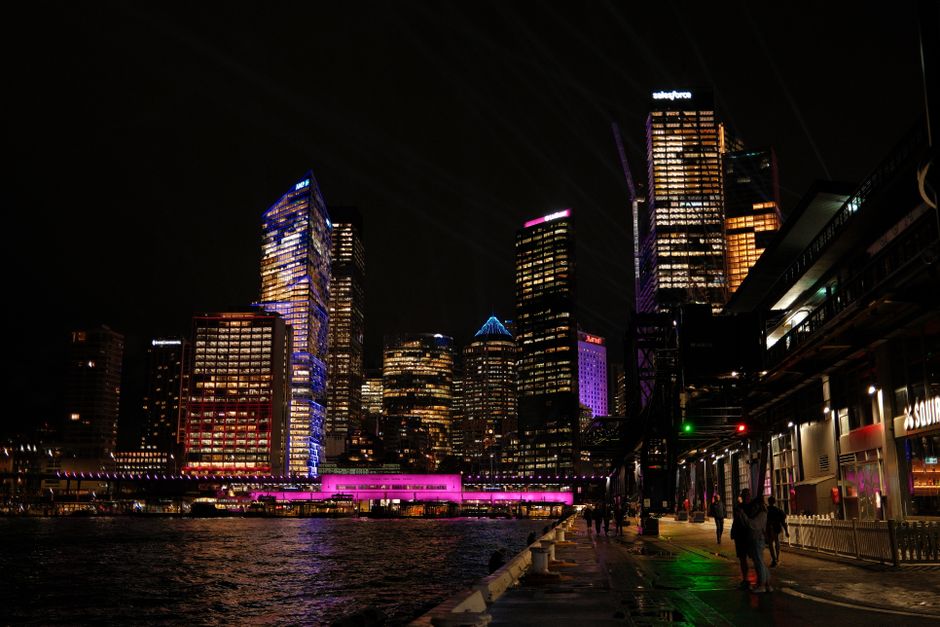
Walk down Marrickville Road on any Saturday morning and you'll see the visual record of Sydney's transformation written across shopfronts and street signs. Vietnamese noodle bars sit alongside Greek delis; Turkish halal butchers neighbour Italian espresso bars. This layered diversity didn't emerge by accident—it reflects three decades of deliberate and circumstantial shifts in who arrives at Port Jackson and why.
The story begins in the 1990s, when Australia's immigration intake started its gradual but decisive tilt away from Europe. For decades after World War II, European migrants—particularly from Italy, Greece, and Poland—had been actively recruited to rebuild the nation. They settled in now-gentrifying inner-west suburbs like Marrickville, Leichardt, and Croydon, establishing cultural institutions and family businesses that still define those neighbourhoods today. By the 1990s, however, Australian immigration policy was quietly recalibrating toward skilled workers from Asia, driven partly by proximity and partly by economic logic.
The 1997 Asian financial crisis accelerated this pivot. Wealthy middle-class families from Hong Kong, Singapore, and Seoul sought stability abroad, with Sydney's north shore and eastern suburbs becoming preferred destinations. Property prices in suburbs like Strathfield and Eastwood began their steep climb—median values have nearly tripled since 2005. Concurrently, skilled visa programs expanded dramatically, bringing software engineers, accountants, and healthcare professionals from India, China, and the Philippines.
Today's migration profile looks radically different from 1990. According to the latest ABS data, India and China consistently rank among the top sources of permanent migration, alongside the Philippines and Vietnam. The Syrian and Afghan refugee intakes after 2015 added another demographic layer, with significant communities now established in suburbs like Auburn, Bankstown, and Penrith—areas with established social services and affordable rental markets.
This evolution has reshaped Sydney's economic and cultural geography. Ashfield's main street—once predominantly Italian—now thrives as a Chinese commercial hub, with property developers and businesses catering to predominantly Mandarin-speaking residents. The Canterbury-Bankstown corridor hosts one of the Southern Hemisphere's largest Muslim populations. Meanwhile, older European communities haven't disappeared; they've transformed, with second and third-generation descendants moving to outer suburbs or coastal areas.
Understanding these shifts matters as Sydney grapples with housing affordability, infrastructure strain, and social cohesion. The city's multicultural character isn't simply a pleasant feature—it's the cumulative result of policy decisions, economic forces, and global crises that have channelled different populations toward specific suburbs at specific moments. Recognising this history helps us navigate contemporary debates about growth, belonging, and what kind of city we're building.
This article was compiled by AI from the sources linked above and screened before publishing. See our editorial standards.
How does this story make you feel?
Spread the word
About this article
Published by The Daily Sydney
Daily brief
Free, in your inbox before 7am. Weekdays.
More in News