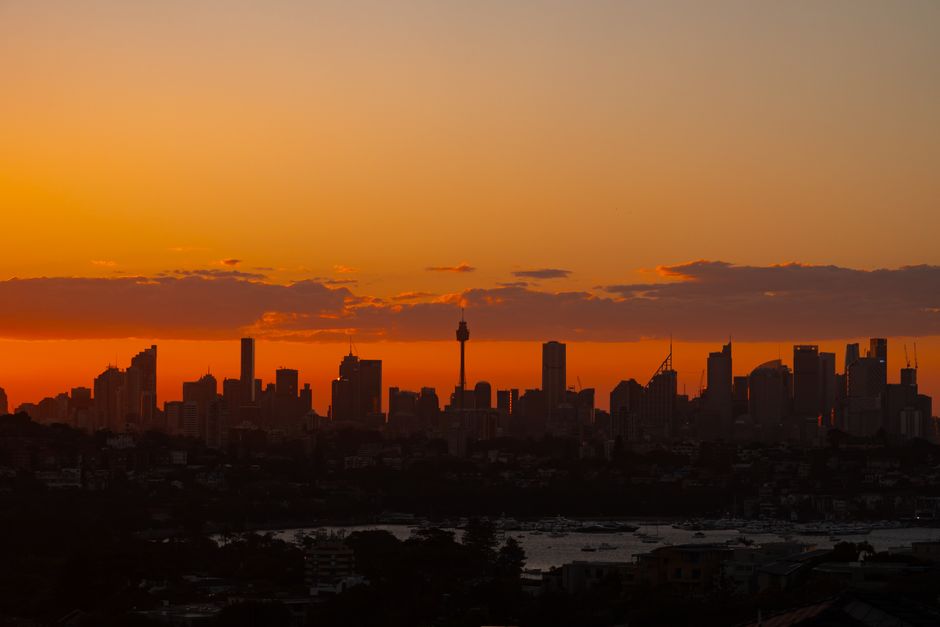
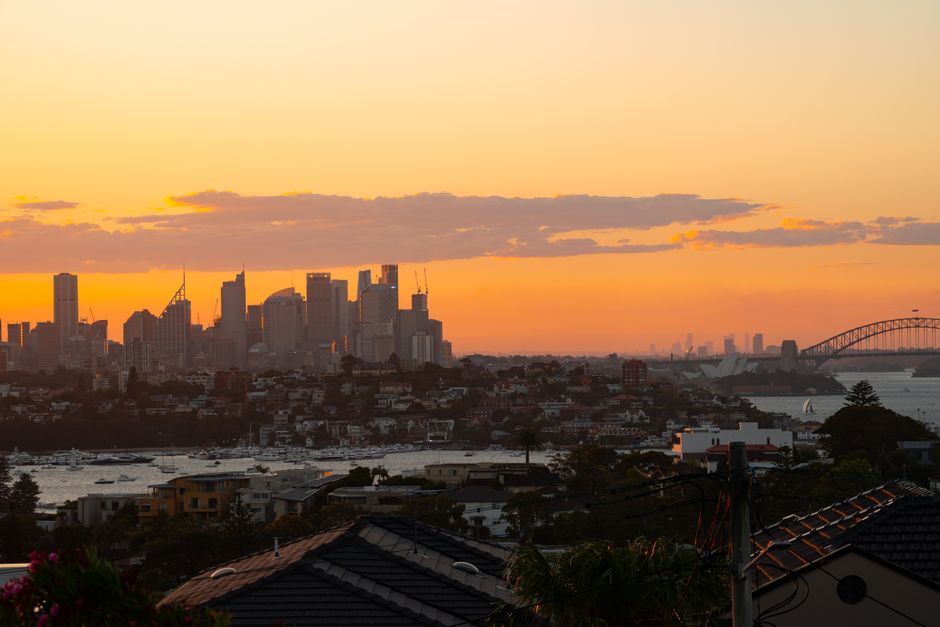
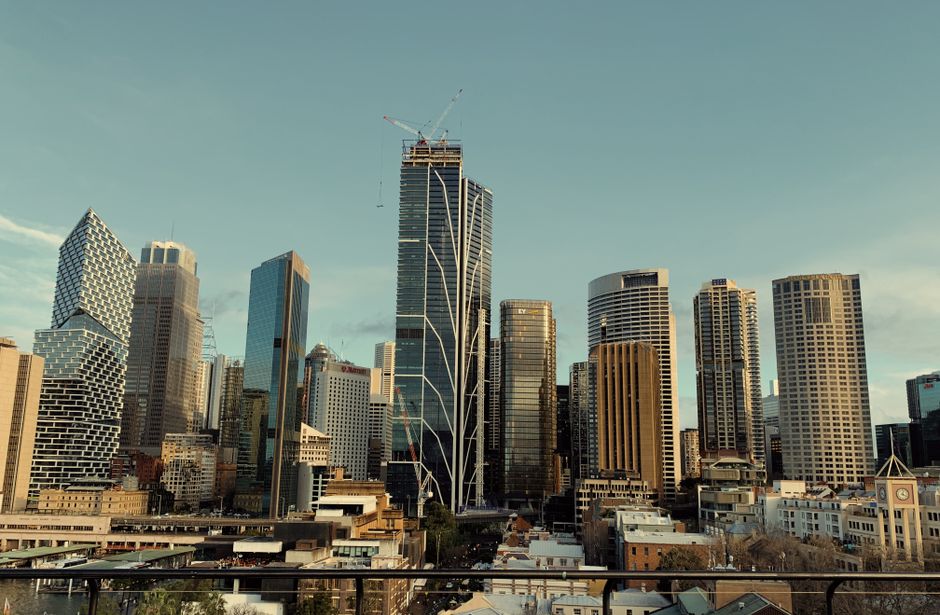
Sydney's sustainability ambitions have reached a critical juncture. As the city pushes toward net-zero emissions by 2050, comparisons with Copenhagen, Barcelona and Vancouver reveal both promising progress and stubborn gaps that demand urgent attention.
The numbers tell a mixed story. Sydney's renewable energy capacity has surged to 28 per cent of the grid this year, edging closer to Copenhagen's 80 per cent wind and solar penetration. Yet the Scandinavian capital achieved this milestone through decades of coordinated state investment and subsidies—something Sydney's fragmented governance structure has struggled to replicate. Copenhagen residents pay approximately AU$0.32 per kilowatt-hour, a premium that funds continuous infrastructure upgrades. Sydney households currently pay AU$0.28, offering less incentive for grid modernisation.
The difference becomes visible on the ground. In inner-west suburbs like Marrickville and Glebe, rooftop solar adoption has reached 31 per cent of residential properties—respectable by Australian standards but trailing Barcelona's 45 per cent. The Spanish city's mandatory solar panels on new developments, introduced in 2006, created a self-reinforcing culture of adoption. Sydney's voluntary approach, endorsed by councils across the Eastern Suburbs and Inner West, has proven slower to scale.
Public transport offers another telling comparison. Vancouver's TransLink moves 400 million passengers annually on a unified network. Sydney's fragmented approach—combining NSW Transport's trains and buses with private operators—served 1.3 billion journeys last year but with coordination challenges that frustrate commuters and deter new users. The city's planned extension of the Sydney Metro to Sydenham by 2034 mirrors similar rail expansions globally, yet the 13-year timeline lags behind Vancouver's recent Millennium Line acceleration.
Where Sydney excels is in grassroots momentum. The Barangaroo Reserve precinct incorporates ambitious stormwater management and biodiversity targets. Circular economy initiatives flourishing in inner-city precincts—from the Unwrapped Co in Paddington to repair cafes across Newtown—rival Copenhagen's culture of reuse. The City of Sydney's commitment to 70 per cent waste diversion by 2030 matches best-practice targets in Toronto and Berlin.
Yet systemic challenges persist. Unlike Copenhagen and Barcelona, Sydney lacks comprehensive pricing on carbon emissions for households. The city's sprawling geography—extending 70 kilometres south to the Sutherland Shire—makes transit-oriented development harder than in denser European cities. And with property values near Circular Quay averaging AU$2.1 million, gentrification-driven green initiatives risk displacing the communities they aim to serve.
Sydney's sustainability future depends on bridging this gap between local enthusiasm and systemic change. The next five years will determine whether the city catches global leaders or settles into the middle rank.
This article was compiled by AI from the sources linked above and screened before publishing. See our editorial standards.