Inner West Residents Face Crucial Choice on $200M Marrickville Precinct Overhaul
A pivotal community vote next month will determine whether a sprawling council plan to transform the neighbourhood's heritage character proceeds or stalls.
A pivotal community vote next month will determine whether a sprawling council plan to transform the neighbourhood's heritage character proceeds or stalls.
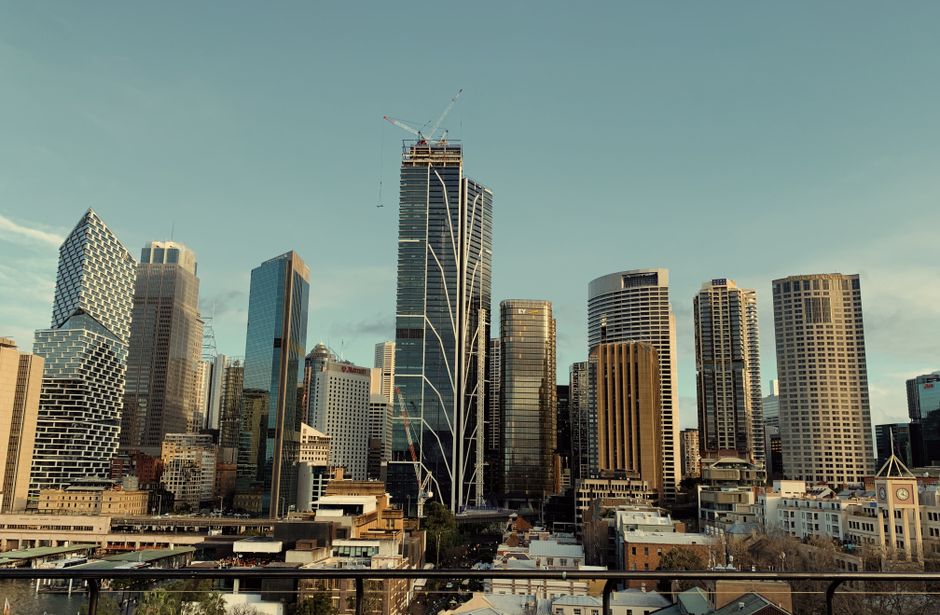
The Marrickville community is standing at a crossroads. In just over three weeks, residents and business owners will decide the fate of a contentious $200 million precinct renewal plan that could fundamentally reshape the character of one of Sydney's most distinctive inner-west neighbourhoods.
The proposal, developed jointly by Inner West Council and state planners, centres on a five-hectare site spanning Marrickville Road, Addison Street, and surrounding laneways. While proponents argue the mixed-use development—featuring 800 new residential units, a revitalised public square, and ground-floor retail—will activate an underutilised industrial area, critics warn it threatens the neighbourhood's bohemian identity and affordability.
"This is the moment communities actually get to shape their future," says a spokesperson for Inner West Council, noting that the consultation period has generated over 2,000 submissions. The deciding factor appears to be a contentious question: should the plan prioritise heritage conservation or housing density?
Data from CoreLogic shows median house prices in Marrickville have climbed 34 per cent over five years, placing significant pressure on renters and younger buyers. The council argues new supply could ease that burden. However, the Inner West Heritage Alliance contends that preserving the area's Victorian terrace character and 1920s warehouse aesthetic should take precedence over rapid development.
Key decisions ahead include zoning classifications for a disputed 1.8-hectare heritage corridor along Addison Street, where heritage-listed paint factories and an iconic printing works currently sit. Will these structures be adaptively reused or demolished for new construction? The answer will set the tone for everything else.
Additionally, residents must weigh proposed traffic management strategies. The plan diverts heavy vehicle access away from residential streets but requires redirecting trucks along Locomotive Street—a move already opposed by neighbouring Sydenham residents.
The vote takes place at a town hall meeting on 27 July at Marrickville Library. Council has pledged that 70 per cent community support will trigger the next planning phase, while lower support thresholds will trigger a redesign.
For longtime residents of this historically working-class neighbourhood—now home to artists, students, and young families—the stakes feel unusually high. The decisions made in the coming weeks will determine whether Marrickville evolves into a denser, more expensive hub or maintains its current scrappy, affordable character. Either way, the neighbourhood will never look quite the same.
This article was compiled by AI from the sources linked above and screened before publishing. See our editorial standards.
How does this story make you feel?
Spread the word
About this article
Published by The Daily Sydney
Daily brief
Free, in your inbox before 7am. Weekdays.
More in News