How Sydney Became a Global City: Tracing the Migration Waves That Shaped Our Suburbs
From post-war European arrivals to today's Asian and African communities, understanding the decades-long patterns behind our city's extraordinary diversity.
From post-war European arrivals to today's Asian and African communities, understanding the decades-long patterns behind our city's extraordinary diversity.
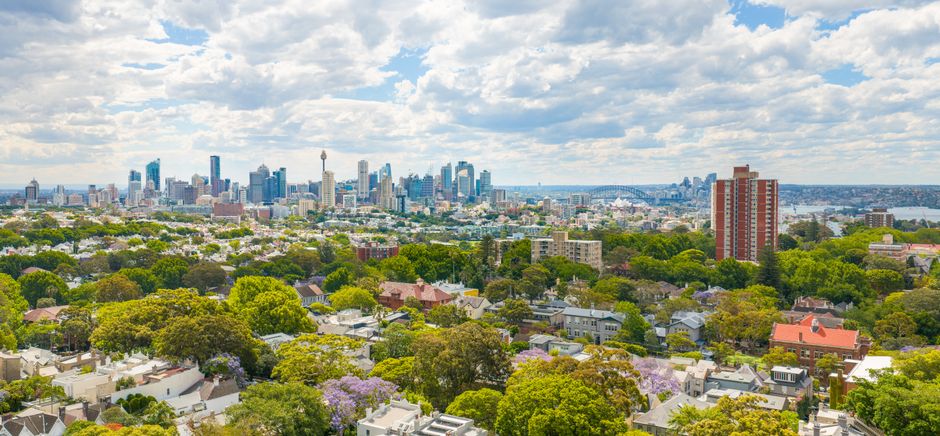
Walk through Marrickville on a Saturday morning and you'll hear Italian spoken outside Francesco's Deli, catch the aroma of souvlaki wafting from Greek restaurants, and pass young Vietnamese families browsing produce at the markets. It didn't happen overnight. To understand Sydney's multicultural fabric in 2026, you need to look back seventy years—to the moment Australia fundamentally changed its immigration policy.
After World War II, the White Australia Policy began its slow dismantling. European migration surged first: Italians, Greeks, and Eastern Europeans arrived in waves through the 1950s and 1960s, settling in inner-west suburbs like Marrickville, Leichhardt, and Enmore. These communities built the infrastructure that now defines those neighbourhoods—the parishes, the social clubs, the restaurants that have become tourist destinations.
The 1970s and 1980s brought a second wave. Restrictive immigration policies finally collapsed. Vietnamese and Cambodian refugees, fleeing conflict in Southeast Asia, arrived in significant numbers. Many settled in western suburbs including Auburn and Cabramatta, which today hosts one of Australia's largest Vietnamese populations. By the 1990s, Lebanese, Chinese, and Indian communities had established themselves across the city, transforming suburbs like Strathfield and Eastwood.
Today's migration patterns tell a different story. Recent arrivals increasingly come from India, the Philippines, China, and Brazil—reflecting global economic shifts and Australia's skills-based migration system. The average skilled migrant visa costs around $4,000, and competition is fierce. Universities like UNSW and UTS have become magnets for international students seeking permanent residency pathways.
Housing affordability has reshaped where new arrivals settle. Ten years ago, migrants could afford inner-west suburbs; now they're pushed further west to Penrith, Parramatta, and Campbelltown. A three-bedroom home in Marrickville now averages $1.8 million—pricing out working-class families that earlier migrants built their lives around.
Community organisations like Settlement Services International and the Multicultural Community Services Centre on Devonshire Street, Surry Hills, now manage challenges earlier waves never faced: navigating a tight rental market, credential recognition for overseas qualifications, and growing tensions between established communities and newcomers competing for resources.
Sydney's diversity isn't accidental—it's the product of deliberate policy shifts, global conflicts, economic cycles, and individual courage. Understanding that history matters now more than ever, as the city grapples with integration, housing, and identity in ways previous generations couldn't have imagined.
This article was compiled by AI from the sources linked above and screened before publishing. See our editorial standards.
How does this story make you feel?
Spread the word
About this article
Published by The Daily Sydney
Daily brief
Free, in your inbox before 7am. Weekdays.
More in News