Sydney's green transition by the numbers: what the data reveals about our sustainability push
From renewable energy capacity to waste diversion rates, the statistics show how far Sydney has come—and how much further it must go.
From renewable energy capacity to waste diversion rates, the statistics show how far Sydney has come—and how much further it must go.
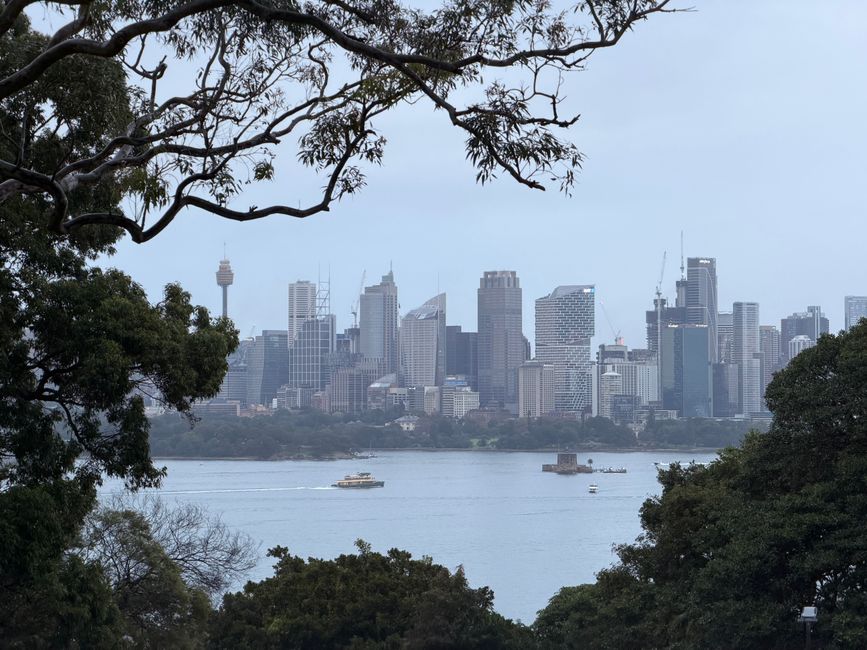
Sydney's commitment to environmental sustainability is increasingly measured in hard data, and the numbers tell a story of progress tempered by the scale of remaining challenges.
The NSW government's latest sustainability report reveals that renewable energy capacity across Greater Sydney has doubled to 8.2 gigawatts over the past three years, with solar installations accounting for roughly 65 per cent of that growth. Yet coal still powers approximately 42 per cent of the state's electricity grid, a figure that underscores the distance between current trajectory and the target of net-zero emissions by 2050.
Closer to home, waste diversion figures demonstrate measurable behavioural shift. Sydney's landfill diversion rate reached 72 per cent in 2025—up from 58 per cent a decade earlier. Across the metropolitan area, residents now generate approximately 4.2 million tonnes of waste annually, with organics recovery programs in inner-city councils like Marrickville and Leichhardt achieving diversion rates above 80 per cent. However, outer suburbs in Western Sydney still struggle with rates closer to 55 per cent, reflecting both infrastructure gaps and socioeconomic disparities in sustainability access.
Water consumption patterns reveal another complexity. The greater Sydney region consumes 1,664 megalitres daily, down 11 per cent from 2012 despite population growth of 1.2 million residents. The Metro West construction corridor—stretching from Westmead through the CBD—has incorporated water-sensitive design principles expected to reduce stormwater runoff by 25 per cent across affected precincts.
Transport data offers perhaps the most compelling snapshot. Electric vehicle registrations in Sydney increased by 312 per cent between 2021 and 2025, reaching 89,400 vehicles. Yet petrol and diesel vehicles still comprise 91 per cent of the car fleet, with the average commute from Western Sydney suburbs to the CBD averaging 42 kilometres—a statistic driving demand for public transport alternatives that remain under construction.
Green space metrics underscore ongoing tensions between development and conservation. Greater Sydney's tree canopy coverage declined marginally from 17.2 per cent to 16.8 per cent between 2020 and 2025, despite 2.3 million native trees planted through council programs. Port Botany's ongoing expansion, while economically vital for trade, has consumed 24 hectares of wetland since 2015.
These figures collectively illustrate sustainability as a data-driven challenge requiring precision investment and accountability measures. Without dramatic acceleration in renewable energy deployment and transport transition, analysts warn Sydney will miss interim 2030 emissions reduction targets by approximately 18 per cent.
This article was compiled by AI and screened before publishing. See our editorial standards.
How does this story make you feel?
Spread the word
About this article
Published by The Daily Sydney
Daily brief
Free, in your inbox before 7am. Weekdays.
More in News


