Sydney Manages Migration Better Than Global Peers, But Infrastructure Cracks Widen
As Western Sydney grows and demand for services soars, the city's multicultural infrastructure faces a critical test against international benchmarks.
As Western Sydney grows and demand for services soars, the city's multicultural infrastructure faces a critical test against international benchmarks.
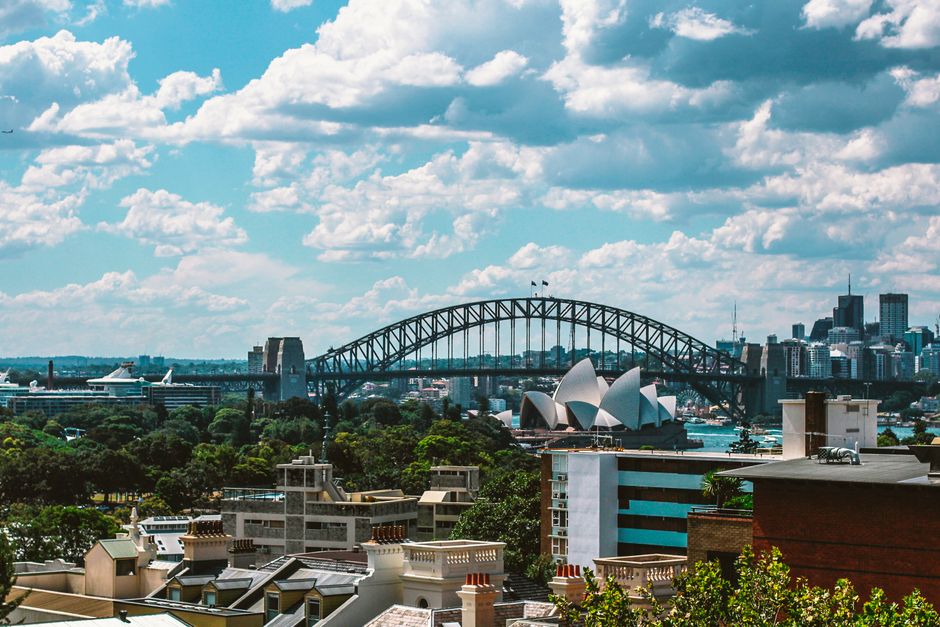
Sydney's migration story reads differently depending on which neighbourhood you visit. In Parramatta, where median house prices have surged past $1.2 million, newcomers navigate a thriving but increasingly strained ecosystem of services. In Penrith, further west, the infrastructure gaps become impossible to ignore.
Compared to global peers managing similar demographic shifts—Toronto, Melbourne, Dubai—Sydney is handling multicultural integration with notable success. The NSW Government's settlement services, coordinated through organisations like Settlement Services International in Haymarket, support over 50,000 migrants annually with language programs and employment pathways. Yet officials privately acknowledge the system is buckling under numbers.
"We're doing integration better than most," says a senior analyst at a major think tank tracking migration outcomes, pointing to Sydney's low segregation rates compared to cities like London or parts of North American metros. Western Sydney's growing Indian, Chinese, and Filipino communities have established economic ecosystems—halal butchers on Chapel Road in Bankstown, Chinese medical clinics around Ashfield, Filipino hospitality hubs in Cabramatta—that rival Toronto's multicultural zones.
But the comparison breaks down sharply on housing. While Toronto has expanded affordable housing corridors alongside transit (its streetcar network parallels Metro West's future role), Sydney's construction pace hasn't matched demand. A Filipino nurse arriving in Sydney today faces rental costs consuming 45–50 per cent of entry-level wages, versus 30 per cent in comparable Toronto neighbourhoods.
The Metro West project—snaking through Westmead, Parramatta, and toward the CBD—offers hope. When complete, it should unlock housing density where it matters most. Singapore and Copenhagen have modelled this playbook successfully, clustering migrant employment hubs around transit nodes.
Services remain patchy. School enrolments in Penrith have jumped 15 per cent since 2022, straining classrooms and ESL provision. By contrast, Melbourne's more gradual dispersal strategy spread demand across more suburbs. Yet Sydney's concentration strategy—pushing growth toward Western Sydney rail corridors—shows clearer intent than scattered approaches overseas.
The real test arrives in the next three years. If Port Botany's anticipated trade surge materialises and Western Sydney's planned industrial zones activate, migration pressure will intensify. Toronto and Dubai managed this by front-loading infrastructure investment; Sydney is still catching up. The housing crisis, rooted partly in planning delays, remains the critical vulnerability.
Sydney isn't failing where others succeed—it's merely facing the same reckoning, a few years behind. The question is whether Metro West and planned housing targets arrive before the cracks become chasms.
This article was compiled by AI and screened before publishing. See our editorial standards.
How does this story make you feel?
Spread the word
About this article
Published by The Daily Sydney
Daily brief
Free, in your inbox before 7am. Weekdays.
More in News


