Sydney Council Hikes Rates, Metro West Delays Hit Commuters
As local government budgets tighten and major infrastructure projects slip, Sydney residents face higher costs and longer waits for transport relief in already congested corridors.
As local government budgets tighten and major infrastructure projects slip, Sydney residents face higher costs and longer waits for transport relief in already congested corridors.
Sydney's local councils are tightening their belts this financial year, with rate increases averaging 5.4 per cent across the metropolitan area—well above inflation—forcing tough choices for households already stretched by the housing crisis. For a median-valued home in Strathfield worth approximately $1.8 million, that translates to an extra $100-150 annually, money many families say they don't have.
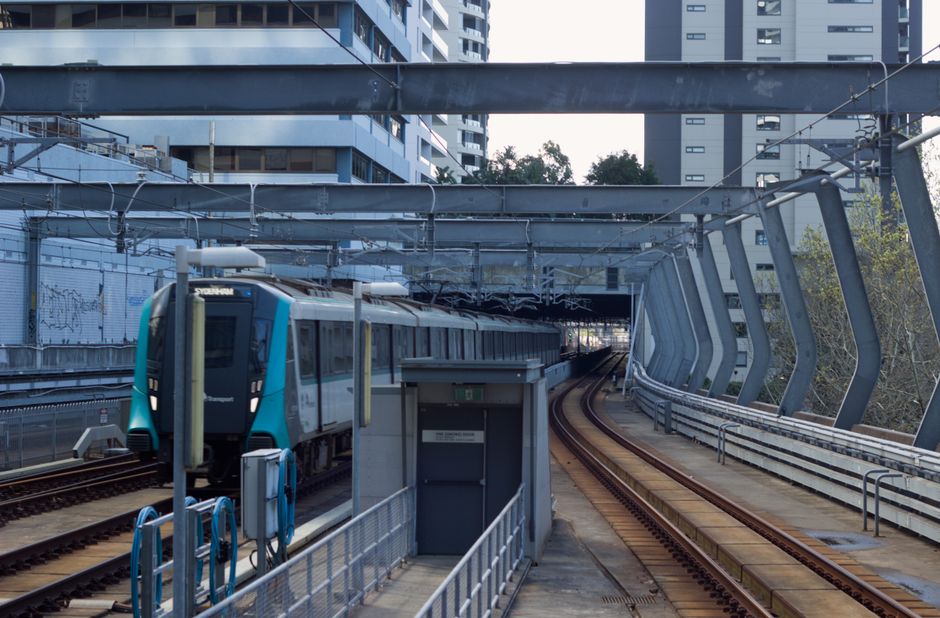
The financial squeeze comes as the NSW Labor government grapples with Metro West delays that will push the project's opening beyond 2030, compounding transport frustration across Western Sydney. Residents in Parramatta and Penrith have already endured years of congestion on the M4 and M7 corridors; the extended timeline means no relief in sight for commuters relying on these gridlocked routes.
At the local level, councils are cutting discretionary spending while maintaining essential services. Inner West Council, which covers Marrickville, Newtown, and Dulwich Hill, has flagged potential reductions to community programs and street maintenance, even as it manages increased demand for housing development approvals. Rents in these areas have climbed to $650 weekly for a two-bedroom apartment—pushing younger workers further west and north.
The rate rises reflect genuine cost pressures: water bills are climbing due to infrastructure upgrades, waste management costs have risen post-COVID, and councils are now expected to shoulder more climate adaptation work. But residents question whether essential services justify the increases when local streets in suburbs like Campbelltown and Liverpool remain poorly maintained, and community centres face reduced hours.
The political dimension matters too. With 47 federal seats in the greater Sydney region and state elections within two years, local government performance is increasingly scrutinised. Communities are watching whether councils can justify spending while delivering visible improvements—pothole repairs, upgraded parks, better street lighting in high-crime areas.
For residents, the immediate impact is clear: household budgets tighten further while transport solutions recede further into the future. The Metro West delay particularly stings Western Sydney communities who were promised relief from congestion as part of the growth narrative around Parramatta's evolution as a second CBD.
As Sydney's population continues growing—projected to reach 6.2 million by 2035—the mismatch between infrastructure delivery, council budgets, and community expectations is becoming the defining local political issue. Residents increasingly ask whether the city's growth is sustainable when basic services require higher costs and major projects slip schedules. That tension will define council elections and state politics in the coming years.
This article was compiled by AI and screened before publishing. See our editorial standards.
How does this story make you feel?
Spread the word
About this article
Published by The Daily Sydney
Daily brief
Free, in your inbox before 7am. Weekdays.
More in News