Sydney Metro West sustainability: which green projects get built?
Sydney's environmental commitments face pressure as Metro West and Western Sydney housing expansion accelerate. Which green infrastructure projects will survive the funding crunch?
Sydney's environmental commitments face pressure as Metro West and Western Sydney housing expansion accelerate. Which green infrastructure projects will survive the funding crunch?
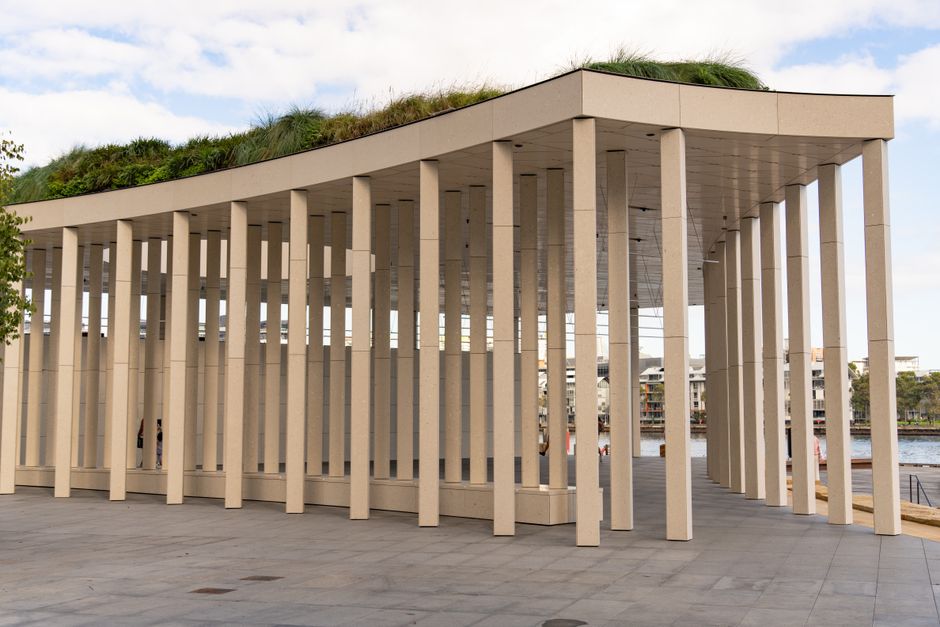
Sydney's sustainability agenda is entering a decisive phase. With the NSW Labor government juggling the housing crisis, infrastructure spending, and climate targets, dozens of environmental initiatives sit in planning limbo—waiting for the political will and funding to move forward.
The clearest example lies along the Metro West corridor. While construction crews work towards Parramatta, planners must decide whether the line will genuinely reduce car dependency in Western Sydney, or whether car parks will still dominate stations like Westmead and The Bays. Real estate agents are already marketing new apartments near future stations with basement parking included—a choice that could either support or undermine the metro's environmental purpose.
Equally urgent: Port Botany's expansion plans. As Australia's busiest container terminal handles record volumes, the NSW government faces pressure to approve deeper berths and new container handling facilities. Environmental groups want stronger emissions controls; shipping companies want faster throughput. The decision, expected within months, will shape Sydney's carbon footprint for the next two decades.
Then there's the sprawl question. Western Sydney's rapid growth—with new suburbs pushing further west towards Penrith—sits in direct tension with sustainability goals. Some council areas have committed to net-zero targets by 2050, but development approval timelines move faster than infrastructure planning. Blacktown, Penrith, and Parramatta councils have each adopted their own climate action plans, yet lack funding to coordinate water management or transport networks effectively.
The city's building sector faces another inflection point. After years of green-building incentives, Sydney's commercial and residential developments are increasingly meeting 5-star energy ratings. But the question now is enforcement: will the NSW government strengthen building codes further, or accept current standards as sufficient? The construction lobby and environment advocates have fundamentally different answers.
Parramatta City Council's ambitious tree-planting program—aiming to increase canopy coverage from 14% to 40% by 2050—represents the kind of long-term commitment the city needs. Yet it requires decade-spanning funding that politicians rarely guarantee beyond the next election cycle.
By September, when the government tables its updated sustainability strategy, several critical calls will become clear: whether green infrastructure gets genuinely integrated into transport hubs, whether emissions standards will tighten across port and industrial zones, and whether Western Sydney's growth will be planned around sustainability or despite it. Sydney's environmental future depends less on grand commitments than on these unglamorous, concrete decisions—and whether they'll actually be funded and enforced.
This article was compiled by AI and screened before publishing. See our editorial standards.
How does this story make you feel?
Spread the word
About this article
Published by The Daily Sydney
Daily brief
Free, in your inbox before 7am. Weekdays.
More in News


