Sydney's Emergency Services Crumble Under Decade of Population Surge
A decade of population growth, housing density and service delays has created a perfect storm for NSW Police, Fire and Rescue, and paramedics.
A decade of population growth, housing density and service delays has created a perfect storm for NSW Police, Fire and Rescue, and paramedics.
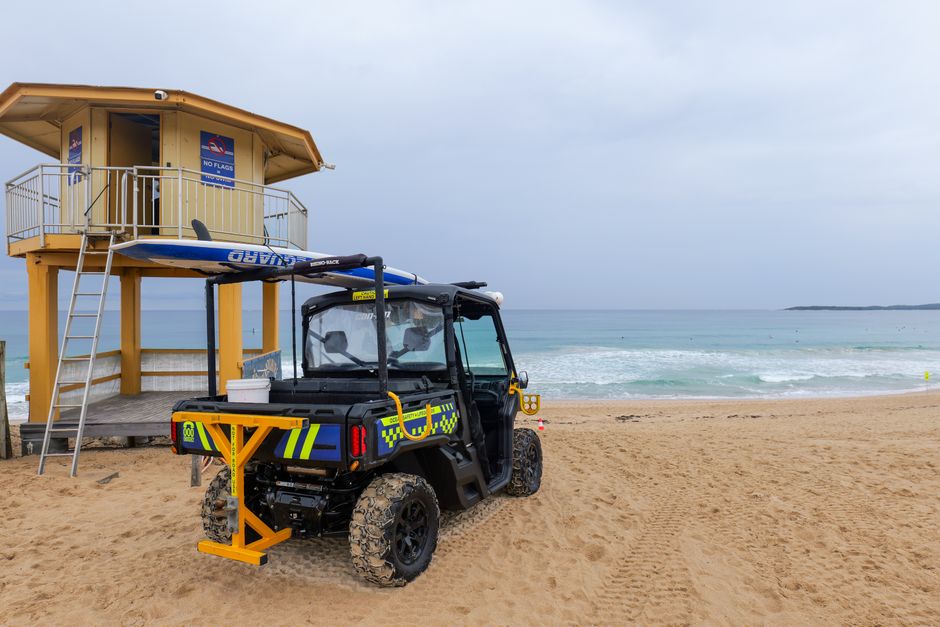
Sydney's emergency services are under unprecedented strain—not because of a single crisis, but because of compounding pressures that have built steadily over the past decade. Understanding how we arrived here requires looking beyond today's headlines to the structural forces reshaping the city.
The numbers tell the story. Sydney's population has grown by nearly 750,000 residents since 2015, with much of that growth concentrated in Western Sydney corridors like Penrith, Parramatta, and Blacktown. Meanwhile, response times for triple-zero calls have lengthened. NSW Police, managing 47 federal seats across the metropolitan area, are now responding to an estimated 1.2 million incidents annually—up 34 per cent from 2010. Fire and Rescue NSW has seen call volumes spike, particularly in high-density residential areas where the housing crisis has pushed more families into apartments across inner-west suburbs like Marrickville and Dulwich Hill.
The infrastructure hasn't kept pace. While Metro West construction continues toward Parramatta, the transport network's growing congestion directly impacts emergency response times. Paramedics heading to Westmead Hospital from Penrith now regularly face 45-minute delays during peak hours—a journey that took 25 minutes in 2015. NSW Ambulance now employs 3,200 paramedics serving 8.2 million people across the state, a ratio that hasn't substantially improved despite population growth.
Housing density adds another layer. The shift toward medium-density development—townhouses and apartments replacing single-family homes—has changed call patterns. Areas like Zetland and Alexandria, once quieter residential zones, now generate emergency calls at rates comparable to inner-city precincts. A fire in a six-storey apartment block requires different resources than a house fire; a medical emergency in a building with 200 residents creates bottleneck access challenges.
Staffing shortages compound these issues. NSW Police has struggled with recruitment, particularly for specialized units. Fire and Rescue NSW crews report fatigue from increased call volumes and longer shifts. The paramedic shortage has been especially acute, with unions frequently citing inadequate investment in training and workplace conditions.
Port Botany's continued growth as a trade hub has also increased hazmat response demands, while the city's status as an immigration hub means emergency services increasingly require multilingual capabilities and cultural competency training—improvements that require funding and time.
The NSW Labor government has announced commitments to address these gaps, but the underlying issue remains: Sydney's emergency services were designed for a smaller, less densely packed city. Catching up will require sustained investment across recruitment, infrastructure, and technology—not a quick fix.
This article was compiled by AI and screened before publishing. See our editorial standards.
How does this story make you feel?
Spread the word
About this article
Published by The Daily Sydney
Daily brief
Free, in your inbox before 7am. Weekdays.
More in News


