Metro West Construction Disrupts Western Sydney While Residents Await Transport Relief
As tunnelling accelerates beneath Parramatta and Westmead, locals share mixed feelings about years of roadworks ahead and the transport future they're banking on.
As tunnelling accelerates beneath Parramatta and Westmead, locals share mixed feelings about years of roadworks ahead and the transport future they're banking on.
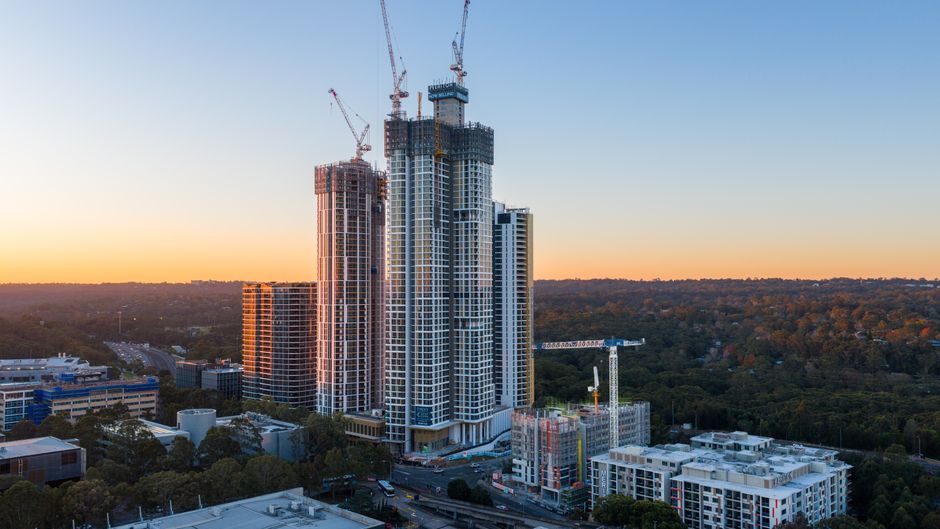
The rhythmic thud of pile-driving equipment now punctuates mornings across Parramatta's CBD, a constant reminder that Sydney's $20 billion Metro West project is no longer abstract planning—it's happening beneath residents' feet.
Two years into construction, the 24-kilometre automated railway connecting Central to Parramatta via Westmead has become the most visible symbol of Western Sydney's transformation. For some, it represents liberation from decades of congestion. For others, it means navigating construction zones that have reshaped daily routines across the region.
"The roadworks around Church Street and the northern corridor are challenging," says Michael Chen, who manages a family business near Parramatta Station. "Foot traffic has dropped noticeably on some days. But speaking to other traders, there's genuine optimism about what comes after." The completed metro is projected to remove 40 million car trips annually from Greater Sydney roads by 2050.
The project's footprint extends far beyond Parramatta's centre. Westmead's station box—currently under construction near the hospital precinct—has required temporary lane closures on Hawkesbury Road and Mountain Street, affecting residents in nearby Dundas and Toongabbie who use these routes daily. Local schools have adjusted bus schedules to compensate.
Accessibility remains a critical concern for Western Sydney residents. The Parramatta Valley Alliance, a community advocacy group, has emphasised that construction staging must not further isolate already underserved suburbs. "Our area depends on reliable road access while we wait for the metro," notes the group's recent submission to transport authorities. The metro itself promises step-free access at all stations—a significant accessibility advantage over ageing rail infrastructure.
Housing pressures compound the transport conversation. As the metro corridor becomes reality, property values along planned station precincts—including those near Westmead and Parramatta—have shifted market expectations. Rental pressures in Western Sydney remain acute, with median rents for three-bedroom homes exceeding $2,000 monthly in many areas.
The NSW Labor government has committed to ongoing community liaison throughout construction, with fortnightly updates from project authorities. Transport planners indicate major disruptive works will conclude by 2029, with network testing beginning in 2030.
For Western Sydney, the calculus is straightforward: absorb today's inconvenience for tomorrow's connectivity. Whether that bargain satisfies residents after years of dust and detours will ultimately define the metro's true success.
This article was compiled by AI and screened before publishing. See our editorial standards.
How does this story make you feel?
Spread the word
About this article
Published by The Daily Sydney
Daily brief
Free, in your inbox before 7am. Weekdays.
More in News


