Migration Surge Reshapes Sydney as Officials Weigh Opportunities, Challenges
As Sydney's migrant population reaches record levels, city planners, government officials and community leaders outline the opportunities and challenges ahead.
As Sydney's migrant population reaches record levels, city planners, government officials and community leaders outline the opportunities and challenges ahead.
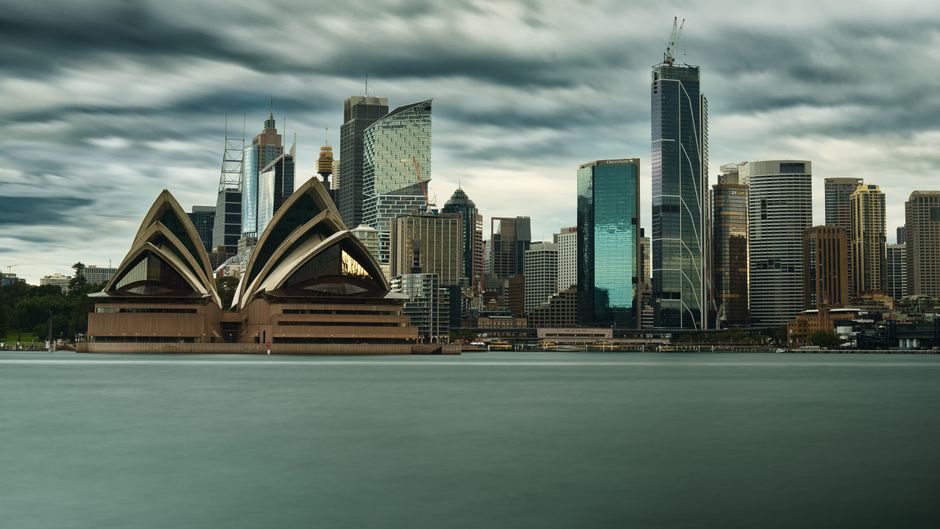
Sydney's migration trajectory has become one of the most pressing policy conversations in the city, with officials and experts increasingly focused on how to harness demographic growth while managing infrastructure strain.
The NSW government's settlement services coordinator has flagged that Western Sydney—particularly suburbs along the Metro West corridor from Parramatta to Bankstown—will absorb the majority of new arrivals over the next five years. Housing affordability remains the critical pressure point, with median rents in Westmead and Penrith climbing 23 per cent in the past 18 months, according to recent market analysis cited by urban policy specialists.
"We're seeing families choose Western Sydney not by preference, but by necessity," notes one property economist tracking demographic shifts. The sentiment reflects broader challenges: median house prices in Strathfield and Burwood, traditionally popular migration destinations, now exceed $1.8 million, pricing out many newly arrived migrants.
Leadership at the Settlement Council of Australia has emphasised that successful integration depends on early English language provision and vocational pathway clarity. Their latest briefing to NSW Parliament identified healthcare, aged care and construction as sectors where migrant workers could address critical shortages—provided qualification recognition processes accelerate.
Community organisations operating across Cabramatta, Auburn and Lakemba report strong demand for settlement services. Leaders at these frontline agencies stress that investment in local infrastructure—including schools, GP clinics and transport—must match population growth. The construction of Metro West, slated for completion in 2032, is viewed as essential infrastructure for connectivity, though critics question whether it will arrive quickly enough.
Port Botany stakeholders have highlighted migration's economic dimension. The port's trading partners increasingly include nations sending migrants to Sydney, creating supply-chain opportunities for businesses in developing suburbs.
A consistent theme emerging from government advisors and research institutions is the need for coherent, long-term planning. The NSW Department of Planning has commissioned modelling on migrant settlement patterns, with preliminary findings suggesting that dispersal policies—encouraging settlement beyond the inner west—require coordination with housing supply and jobs growth in areas like Castle Hill and Penrith.
Officials representing community affairs have stressed that multicultural cohesion depends on narrative. Rather than framing migration purely as a strain on housing and services, several experts advocate emphasising economic contribution and cultural vibrancy—areas where Sydney's 47 federal seats encompass communities with deep migration histories.
As the government prepares revised migration settlement policy later this year, the consensus among officials and experts appears clear: Sydney's future prosperity hinges on strategic planning, adequate resourcing, and a commitment to making multicultural growth sustainable across the entire metropolitan area.
This article was compiled by AI and screened before publishing. See our editorial standards.
How does this story make you feel?
Spread the word
About this article
Published by The Daily Sydney
Daily brief
Free, in your inbox before 7am. Weekdays.
More in News


