news
Sydney's Transit System Faces Critical Upgrade Decisions as Experts Warn of Overcrowding
From Metro West tunnelling under Parramatta Road to ferry overcrowding on the Manly run, the people who plan and use Sydney's network say the city is being reshaped, but not fast enough.
How we reported this
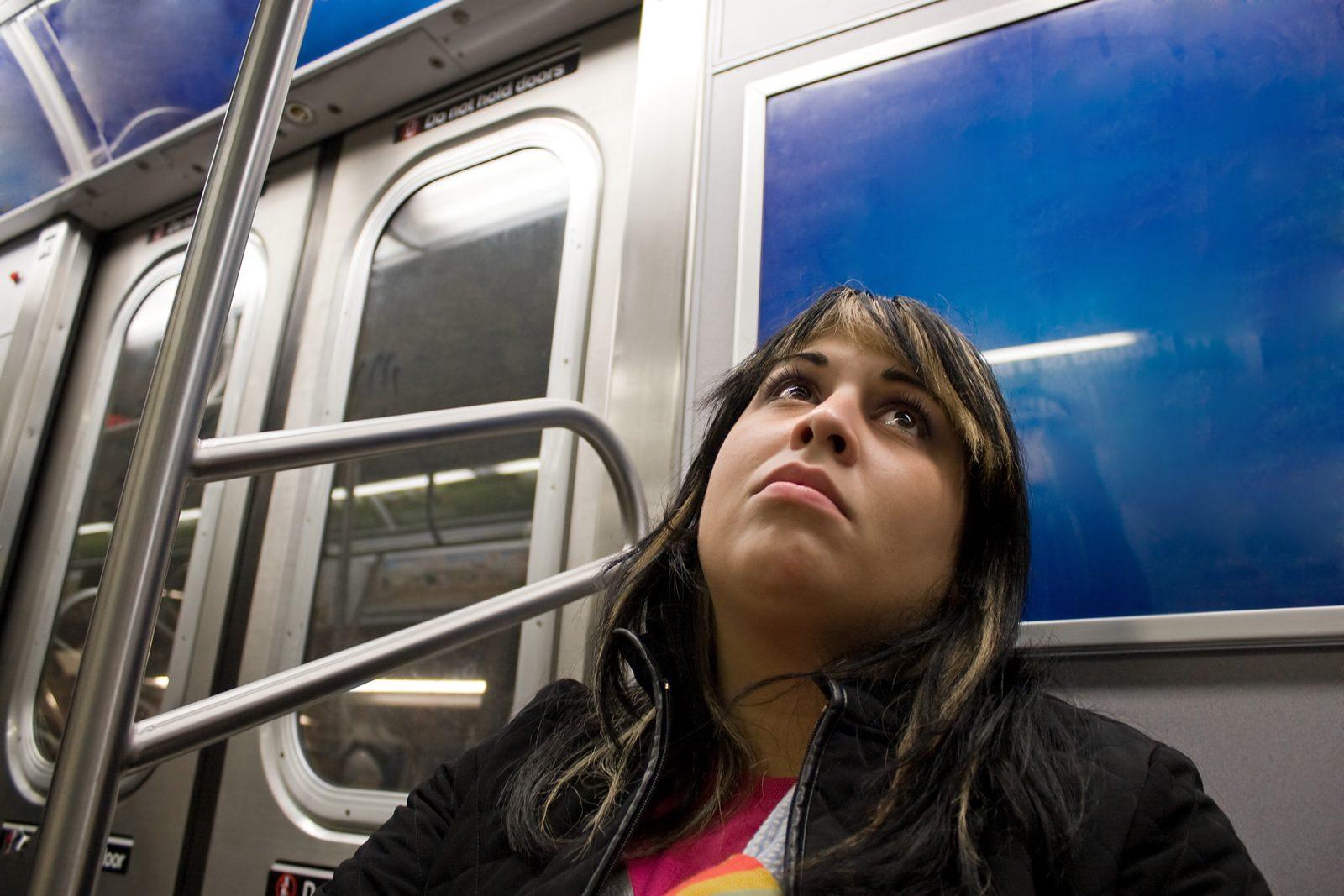
Sydney's public transport network carried more than 1.4 million passenger journeys on a single weekday in March 2026, a post-pandemic record, according to Transport for NSW data. That milestone has sharpened debate among urban planners, commuters and government officials about whether the city's infrastructure can actually handle what's coming next.
The timing matters. Western Sydney is growing at roughly 1,000 new residents per week around suburbs like Marsden Park and Leppington. The Metro West project, the 24-kilometre tunnel connecting the Sydney CBD to Westmead via five new stations, is now scheduled to open in 2030, three years later than the original target. Meanwhile, the existing T1 Western Line is running at or above theoretical capacity during the 7am-9am peak, according to independent modelling by the Committee for Sydney released in May.
Metro, Buses and the Parramatta Question
Transport for NSW officials told a budget estimates hearing in June that the Metro West delay was driven by ground conditions discovered during tunnelling beneath the Haberfield and Five Dock sections, where clay layers proved softer than initial surveys indicated. The cost blowout has not been publicly quantified, but the NSW Labor government has confirmed the project's $25 billion budget is under review. Infrastructure NSW is expected to release a revised cost-benefit analysis before the end of the financial year.
Urban transport researcher Dr. Emily Chow at the University of Sydney's Institute of Transport and Logistics Studies has argued publicly that the Metro West delay creates a dangerous gap. Without the new line, projected growth in the inner west and Parramatta basin will push an already strained bus network beyond its limits. The Sydney Bus Reform program, which restructured more than 600 routes across the network in 2022, was meant to feed passengers into rail more efficiently, but critics say it left outer suburbs like Fairfield and Auburn with less frequent services than they had before.
On Circular Quay, the ferry situation is a different kind of problem. The Manly Fast Ferry, a private service operated by Transdev, has been running at 95 percent average load on weekend sailings since April, according to figures the company presented to the Greater Sydney Commission last month. The government's own fleet, operated under the Sydney Ferries brand, faces a separate issue: four of the Emerald-class vessels are out of service simultaneously for scheduled maintenance, reducing capacity on the Parramatta River run at a moment when Meadowbank and Wentworth Point developments are sending thousands of new residents to the waterfront.
Fares, Opal and the Cost-of-Living Squeeze
The Opal fare structure has not been meaningfully revised since the daily cap was lifted to $17.80 in January 2025. Transport analysts at the Brotherhood of St Laurence flagged in a March report that low-income households in outer south-western Sydney, particularly around Campbelltown and Macquarie Fields, are spending up to 8 percent of household income on public transport, one of the highest proportions among major Australian cities. NSW Transport Minister John Graham has indicated a fare relief package tied to concession card holders is being modelled, but no announcement has been made.
The Integrated Transport Strategy, last updated in 2022, is due for a statutory review this calendar year. Planning sources say the review is likely to recommend faster rollout of on-demand bus services in low-density corridors and a formal expansion of the light rail network beyond its current Randwick and Kingsford endpoints, a proposal that has divided council planners in the inner south for the better part of two years.
For commuters trying to navigate the system right now: the Transport for NSW app's real-time crowding feature, available on the T4 Illawarra Line and T8 Airport Line since February, is being extended to the T2 Inner West and Leppington Line from August. Peak hour services on Central Station's platforms 1 through 10 are expected to see modified stopping patterns from late July as track maintenance works wrap up. Check the TfNSW service alerts page before travelling, because until Metro West opens, every delay on the Western Line has nowhere to go.