Priced Out and Falling Behind: How Sydney Compares to the World's Other Housing Crisis Cities
London, Toronto and Auckland have all tried bold interventions — Sydney keeps trying to catch up, and the gap is showing.
London, Toronto and Auckland have all tried bold interventions — Sydney keeps trying to catch up, and the gap is showing.
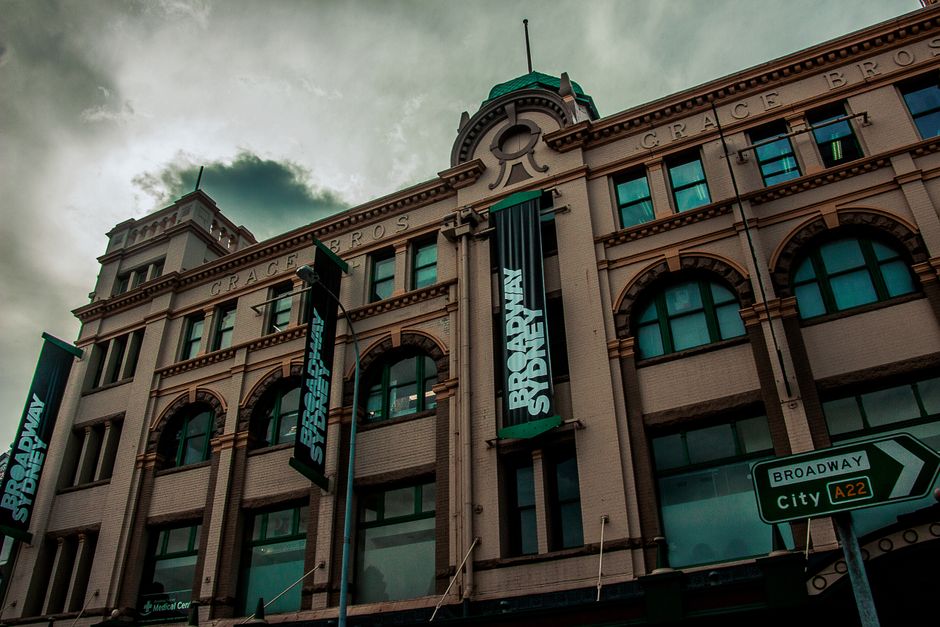
Sydney's median dwelling price sat at roughly $1.18 million at the end of June, according to CoreLogic's latest figures — making it the second least affordable major city on earth, trailing only Hong Kong. That number lands differently now that national property prices are softening for the first time since 2022, yet first-home buyers remain almost entirely absent from the market. The question isn't whether Sydney has a housing crisis. It's why, compared to comparable global cities, this one keeps losing the same argument.
The timing matters because the NSW Labor government under Premier Chris Minns is midway through a planning overhaul it promised would be transformational. Treasurer Daniel Mookhey has pointed repeatedly to the Housing Acceleration Fund and the Transport Oriented Development program — rezoning land within 400 metres of thirty-seven train stations — as proof the state is moving. Developers and advocacy groups are less convinced. The window between political will and actual dwellings reaching the market is, at minimum, three to five years.
Auckland is the comparison that keeps coming up in planning circles, and for good reason. New Zealand's largest city passed its own upzoning reforms in 2021 under the National Policy Statement on Urban Development, effectively legalising medium-density housing across almost all residential land. Within two years, consents for terraces and apartments in suburbs like Ponsonby and Mt Eden had tripled. Rents in Auckland rose more slowly than in Melbourne or Sydney over the same period. The lesson — that supply constraints are largely self-inflicted through zoning rules — landed badly in Canberra and barely registered in Macquarie Street.
London's story is messier but instructive. The Greater London Authority has used its Affordable Housing Programme — a £4 billion fund running to 2026 — to mandate that any development receiving public subsidy must include at least 35 percent affordable homes. The results are uneven and the definition of "affordable" is routinely contested, but the institutional architecture exists to enforce the trade-off. Sydney has no equivalent mechanism with real teeth. The NSW government's inclusionary zoning requirements for State Significant Developments top out at around 15 percent affordable housing, and enforcement has been inconsistent.
Toronto attempted a foreign buyer tax in 2017, scrapped parts of it, reinstated a version of it in 2022 and watched prices bounce back regardless. The lesson most housing economists took from Canada is that demand-side taxes without meaningful supply-side reform produce short-term price dips and long-term frustration. Sydney flirted with its own foreign buyer surcharge — currently sitting at 8 percent on stamp duty — but the impact on overall affordability has been negligible given that overseas investors represent a small fraction of total transactions.
In Western Sydney, the disconnect is sharpest. Suburbs like Marsden Park and Riverstone are adding thousands of new lots, but infrastructure delivery — schools, train lines, GP clinics — consistently lags two to three years behind population growth. The Western Sydney Planning Partnership, a joint body involving the state government and eight councils, has been flagging the gap since at least 2023. The Rouse Hill Town Centre is ringed by cranes, yet the Metro West extension to Westmead won't carry passengers until at least 2030.
In the inner ring, the problem runs the other direction. Glebe, Newtown and Erskineville are exactly the kind of walkable, transit-rich neighbourhoods where density makes obvious sense, yet community opposition to upzoning proposals has stalled or watered down multiple rezonings. The City of Sydney Council approved a local housing strategy in late 2024 that targets 54,000 new homes by 2036 — a figure many planners privately describe as optimistic.
For anyone currently watching listings and doing the maths, the practical reality is this: the Transport Oriented Development rezoning decisions will determine which suburbs become viable for medium-density construction over the next decade. Buyers and renters who can tolerate a longer horizon should watch what happens around Sydenham, Bankstown and Homebush stations specifically — those corridors are where state government intent and developer interest are currently converging. Whether the infrastructure follows the zoning, or the zoning proceeds alone, will define whether Sydney learns anything from the cities that went before it.
How does this story make you feel?
Spread the word
About this article
Published by The Daily Sydney
Daily brief
Free, in your inbox before 7am. Weekdays.
More in News


