How Sydney Got Its Headland Back: The Long Fight That Shaped Barangaroo
From a derelict container wharf to a contested public space, the story of Barangaroo is really a story about who gets to decide what a city becomes.
From a derelict container wharf to a contested public space, the story of Barangaroo is really a story about who gets to decide what a city becomes.
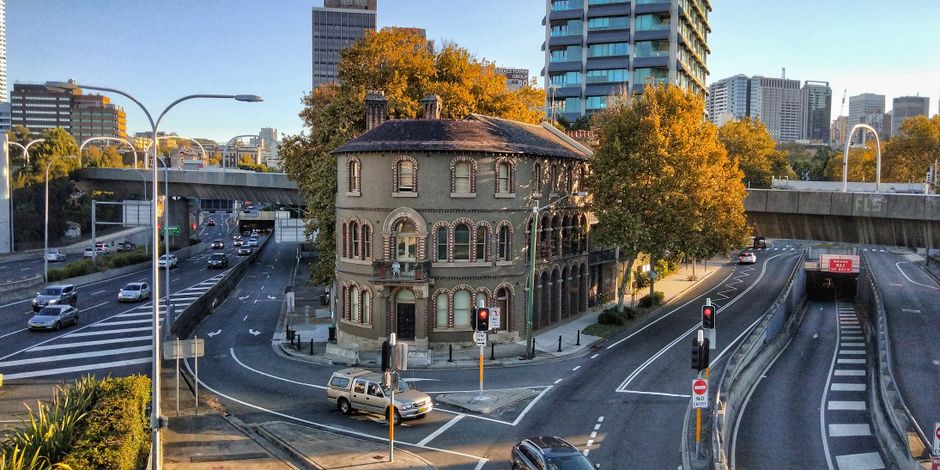
Barangaroo Reserve — the six-hectare sandstone headland jutting into Sydney Harbour between the CBD and Walsh Bay — officially opened to the public in August 2015, but the battles that produced it began more than a decade earlier and have never fully stopped. This week, as debate resurfaces over pedestrian access to the southern precinct and Lendlease's remaining development obligations, it is worth tracing exactly how one of the most fought-over parcels of public land in Australian history arrived at its current uneasy equilibrium.
The site matters now because Sydney's housing and planning pressures make the Barangaroo template — publicly owned land leased to private developers with contested public-benefit obligations — increasingly relevant. The NSW Labor government under Premier Chris Minns is reaching for similar models in Homebush, Rouse Hill, and along the Metro West corridor. Understanding what went right and wrong at Barangaroo shapes every conversation happening in planning circles today.
The land was a working container terminal operated by the Maritime Services Board until 1993, when port operations consolidated at Port Botany in Botany Bay. For most of the 1990s, the 22-hectare strip along Hickson Road sat largely idle — a chain-wire fence and a stretch of cracked asphalt separating the CBD from the harbour. The Carr Labor government established the Barangaroo Delivery Authority in 2008 specifically to oversee redevelopment, setting a target of delivering commercial towers, residential apartments, a boutique hotel and the public headland reserve.
The competition process that followed remains controversial. Canadian architect Renzo Piano won a design competition in 2006, but that scheme was substantially redrawn after a second process and negotiations with Lendlease, then known as Lend Lease Corporation. The National Trust of Australia (NSW) and the Millers Point community — residents in the heritage terrace streets immediately north along Observatory Hill — raised repeated objections about height limits, view corridors and the scale of the proposed casino tower, which eventually became Crown Sydney at One Barangaroo, opening in December 2020.
The headland reserve itself required the physical reconstruction of a sandstone foreshore that had been quarried away during colonial harbour works in the nineteenth century. The Barangaroo Delivery Authority brought in more than 10,000 tonnes of Gosford sandstone to rebuild the escarpment — a figure the authority itself cited in project summaries. Native plantings sourced from remnant bushland in the Blue Mountains and Royal National Park were used to replant the site. The connection to Millers Point via the Barangaroo Walk along Hickson Road was completed in 2016.
The public-benefit calculation at Barangaroo has always been contested. The original planning agreements required Lendlease to deliver 2.2 hectares of public open space in the central precinct — an obligation that advocacy groups including the Barangaroo Community Forum argued was never fully met. Independent Planning Commission hearings in 2019 examined whether modifications to the podium design of the commercial towers at International Towers, clustered around Watermans Cove, reduced effective public access to the foreshore.
Crown Sydney's presence in the southern precinct remains the sharpest point of contention. The casino, which holds a licence from the NSW Independent Casino Commission, was sited on what community groups had been told would remain public land. The NSW government of the day approved an amendment to the concept plan in 2013 that made the tower possible. That decision has cast a long shadow over every subsequent planning negotiation involving Crown, including the Bergin Inquiry findings of 2021 that found Crown unsuitable to hold a casino licence — a finding eventually resolved through a remediation process overseen by the casino commission.
For anyone trying to follow the next chapter, the practical signpost is the Barangaroo Delivery Authority's current review of the southern precinct master plan, which the authority has indicated will conclude before the end of 2026. The outcome will determine whether the pedestrian connection from King Street Wharf through to the headland reserve is widened, and whether remaining Lendlease obligations around public art and ground-level retail are enforced or renegotiated. Community submissions close on 31 August 2026 and can be lodged through the authority's Hickson Road office in Millers Point.
How does this story make you feel?
Spread the word
About this article
Published by The Daily Sydney
Daily brief
Free, in your inbox before 7am. Weekdays.
More in News


