Sydney Residents Speak Out: When Someone Else's Photo Ends Up on Your Property Listing
Community members across Western Sydney and the inner suburbs say duplicate and mismatched property images are eroding trust in an already brutal housing market.
Community members across Western Sydney and the inner suburbs say duplicate and mismatched property images are eroding trust in an already brutal housing market.
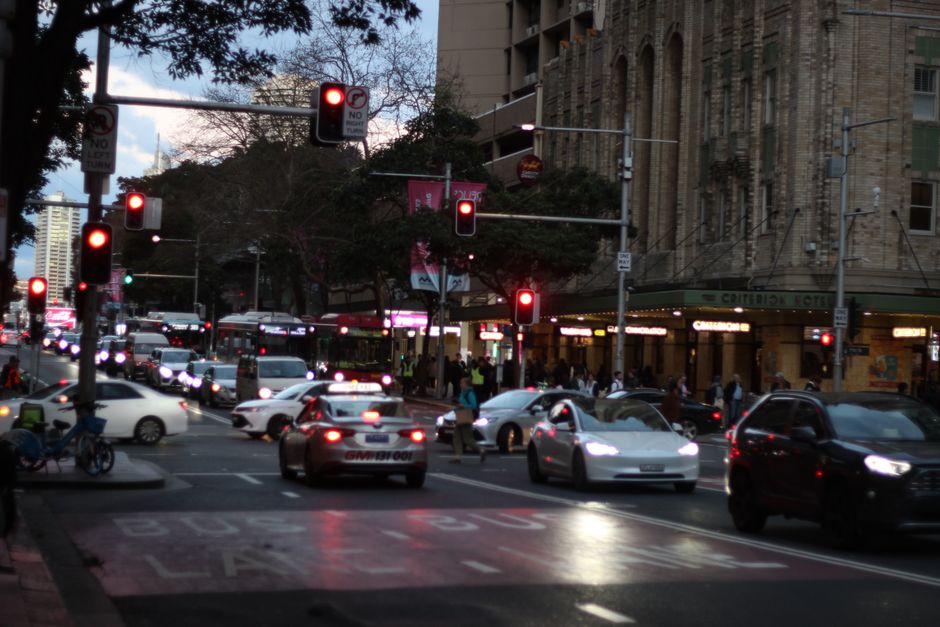
Homebuyers and renters hunting for property in Sydney's stretched market are raising alarms about a practice that has quietly taken hold across major listing platforms: the recycling of photographs from one property listing onto another, leaving prospective tenants and buyers with a false picture of what they are actually getting.
The issue has surfaced with particular force this winter. With Sydney recording its hottest June since 1859 and the cost of living squeezing household budgets, the pressure to secure housing quickly — sometimes after just a single inspection — has made duplicate imagery a sharper problem than many agencies or platforms have publicly acknowledged.
Community workers at Western Sydney Community Forum, which operates across the Blacktown and Penrith local government areas, say they have fielded a growing number of complaints from renters who signed leases based on listing photographs that did not match the properties they moved into. Discrepancies ranged from outdated kitchen fit-outs to entirely different floor plans.
In Parramatta's Church Street precinct, where new apartment towers have multiplied over the past five years, property managers have reportedly reused hero shots from display suites for multiple individual unit listings — each slightly different in aspect, size or condition. Residents of one complex near Parramatta Station described discovering after signing that the gleaming marble benchtop in the listing photos belonged to the building's display apartment, not their own. Their unit had laminate.
Further south, renters in Marrickville and Sydenham — both undergoing significant density changes linked to the Metro West corridor — have raised similar complaints through the Tenants' Union of NSW. The Union, based in Surry Hills, confirmed in its most recent community advice updates that image-related disputes represent an emerging category of inquiry, though it has not yet published discrete figures separating this category from broader misleading advertising complaints.
Under the Australian Consumer Law, presenting a property using images that materially misrepresent its condition or features can constitute misleading conduct. NSW Fair Trading, which handles residential tenancy disputes, received more than 15,000 general tenancy-related complaints in the 2024–25 financial year, according to figures published in its annual report. The agency does not currently break down that figure by complaint type in a way that isolates image misrepresentation specifically, but advocates say it is folded into a broader category of misrepresentation at point of lease.
Platforms such as Domain and realestate.com.au both carry policies requiring agents to submit accurate, property-specific photography. Neither platform has announced enforcement changes in response to the current wave of community concern.
The Tenants' Union recommends that anyone who identifies a discrepancy between listing images and physical property conditions document the difference immediately — photographs taken on the day of inspection, timestamped and retained. Complaints can be lodged with NSW Fair Trading online or by calling 13 32 20, and the agency can direct matters toward conciliation or, in serious cases, the NSW Civil and Administrative Tribunal at its John Street, Pyrmont premises.
For buyers rather than renters, the situation is legally more complex but not without remedy. The Real Estate Institute of NSW publishes guidance on Section 52A of the Conveyancing Act 1919, which outlines cooling-off rights, though these do not apply in every sale scenario and do not specifically address photographic misrepresentation.
Consumer advocates are calling on the NSW government's Better Regulation and Fair Trading ministry to require that listing platforms implement automated duplicate image detection before a listing goes live — technology that already exists in content moderation contexts and could be adapted for real estate portals. For now, community members say the burden of catching the problem falls almost entirely on them, at exactly the moment when they can least afford to get it wrong.
How does this story make you feel?
Spread the word
About this article
Published by The Daily Sydney
Daily brief
Free, in your inbox before 7am. Weekdays.
More in News