Sydney's Duplicate Image Replacement: What Officials, Experts, and Key Figures Are Saying
As the city grapples with the issue, we look at the perspectives of those in the know, from the NSW Labor government to local community groups.
As the city grapples with the issue, we look at the perspectives of those in the know, from the NSW Labor government to local community groups.
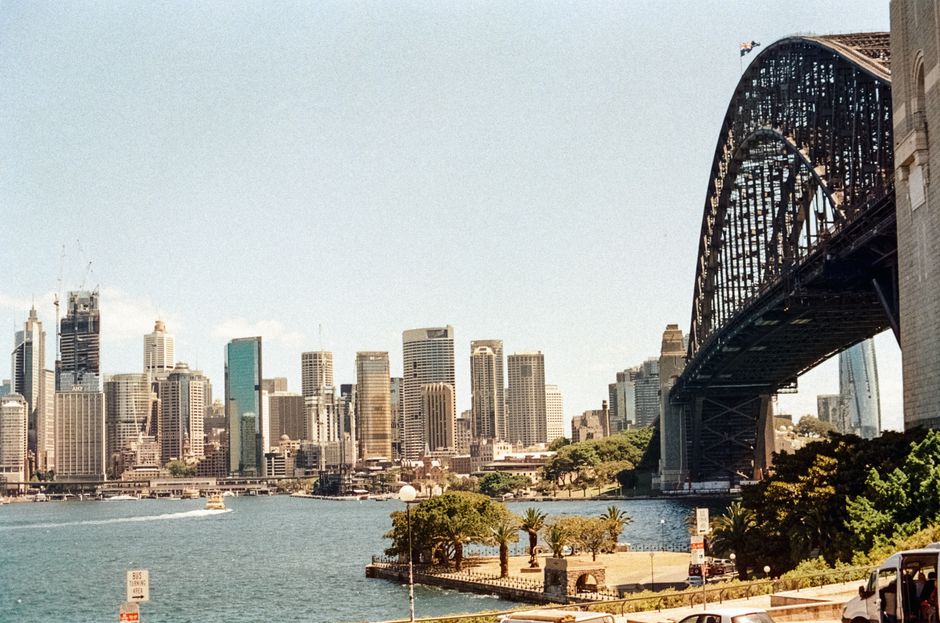
Sydney's duplicate image replacement has become a pressing concern, with many calling for action to address the issue. The city's housing crisis, a top political issue, has brought the problem to the forefront, with many experts and officials weighing in on the matter.
The duplicate image replacement issue matters now because it has significant implications for the city's development and growth. With Western Sydney experiencing rapid growth and the Metro West project under construction, the city needs to ensure that its infrastructure and services can support the increasing population. The NSW Labor government has been under pressure to address the housing crisis, and the duplicate image replacement issue is a key part of this conversation.
In local areas such as Parramatta and Liverpool, community groups and organisations like the Western Sydney Community Centre and the Liverpool Neighbourhood Connections are working to raise awareness about the issue. The University of New South Wales and the University of Sydney are also conducting research on the topic, with a focus on the social and economic impacts of duplicate image replacement. In addition, the City of Sydney council has launched initiatives such as the Sustainable Sydney 2030 program, which aims to reduce the city's environmental footprint and promote sustainable development.
According to data from the Australian Bureau of Statistics, the population of Western Sydney is projected to grow by 35% over the next 20 years, putting pressure on the city's infrastructure and services. The median house price in Sydney is currently around $1.1 million, making it difficult for many people to afford housing. A report by the NSW Auditor-General found that the state government's planning policies have contributed to the duplicate image replacement issue, with a lack of clear guidelines and regulations allowing for the proliferation of duplicate images. The report also noted that the issue is costing the state government around $10 million per year in unnecessary costs and inefficiencies.
As the city moves forward, it is likely that we will see increased efforts to address the duplicate image replacement issue. The NSW Labor government has committed to reviewing its planning policies and implementing new regulations to prevent the proliferation of duplicate images. Community groups and organisations will continue to play a key role in raising awareness and advocating for change. For individuals, being aware of the issue and its implications is crucial, and supporting local initiatives and organisations working to address the problem can make a significant difference. By working together, Sydney can mitigate the effects of duplicate image replacement and create a more sustainable and equitable future for all its residents.
How does this story make you feel?
Spread the word
About this article
Published by The Daily Sydney
Daily brief
Free, in your inbox before 7am. Weekdays.
More in News