Councils, Archivists and Tech Experts Weigh In on Sydney's Duplicate Image Problem
From Parramatta to the CBD, institutions are grappling with bloated digital archives full of duplicate images — and the push to fix them is growing louder.
From Parramatta to the CBD, institutions are grappling with bloated digital archives full of duplicate images — and the push to fix them is growing louder.
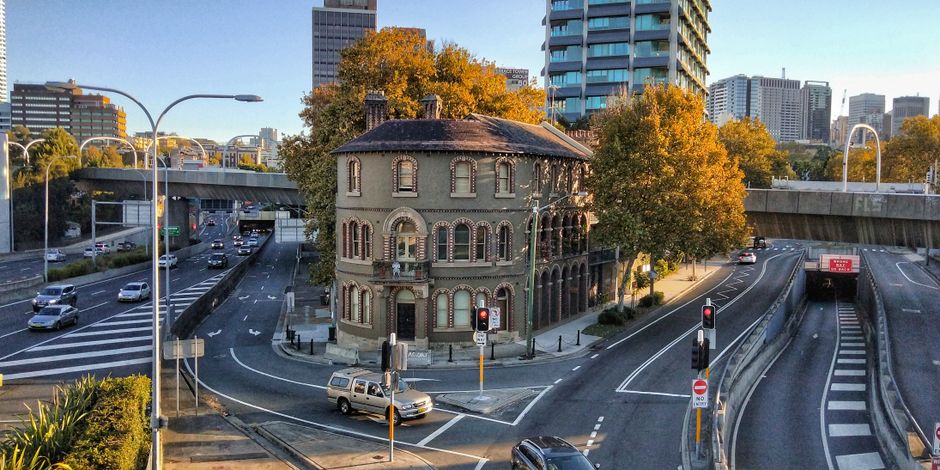
Sydney's public institutions are sitting on a quiet administrative mess. Digital archives held by local councils, state agencies and cultural organisations across the city contain millions of duplicate images — the same photograph stored two, five, sometimes dozens of times under different file names. The problem has been building for years, but pressure to address it is now coming from multiple directions at once.
The timing matters. NSW Treasury's 2025-26 budget allocated funds toward digitisation across state government agencies, and with that money flowing, institutions are for the first time auditing what they actually have. What they are finding, according to records and industry reports, is that duplicated image files are not a minor inconvenience — they are inflating storage costs, slowing retrieval systems and undermining the integrity of public records.
Professionals in digital asset management have been pointing to the problem for some time. The Australian Society of Archivists, which represents records professionals nationally and holds its NSW chapter meetings in the Sydney CBD, has flagged duplicate content as a systemic risk in guidance materials circulated to member institutions. The core concern is not just wasted server space. When duplicate images carry different metadata — different date stamps, different rights notices, different subject tags — archives can no longer reliably answer basic questions about what they hold or who owns it.
Library and archival technology specialists have noted that detection tools using perceptual hashing — a method that identifies visually similar images even when file names or formats differ — have become significantly cheaper and more accessible since 2023. Several tools used by institutions internationally are now available at price points that mid-sized councils can afford, with some subscription-based platforms costing under $500 a month for collections up to 500,000 files.
At the local government level, Parramatta City Council and the City of Sydney have both expanded their digital records teams in the past 18 months, a move consistent with a broader NSW Government push to centralise and standardise how public agencies manage digital assets. Neither council has publicly confirmed a formal duplicate-image remediation program, but both have advertised roles in digital asset management and records governance since late 2025.
The State Library of NSW on Macquarie Street holds one of the largest photographic collections in the southern hemisphere, and its digital team has publicly discussed the challenges of managing large-scale image digitisation in conference presentations. The library's catalogue includes material digitised in multiple waves going back to the mid-1990s, meaning early files were often re-scanned later at higher resolution and both versions retained. That kind of layered duplication is common across institutions that digitised collections in batches without a unified naming or deduplication protocol.
Western Sydney is also part of the conversation. The Powerhouse Museum's planned Parramatta campus — now under active construction on the Parramatta River forebank — has made collection consolidation a live issue. Moving a collection means rationalising it first, and that means confronting duplicates before they migrate to new systems and new storage infrastructure.
Digital records consultants working with NSW government bodies say the practical advice they are giving clients right now is consistent: do not wait for a major migration project to surface duplicates, because the cost of remediation grows the longer files sit unreviewed. One widely cited industry benchmark holds that each duplicate image in a managed archive costs roughly as much to store and retrieve annually as any other file, meaning an archive with a 20 percent duplication rate is effectively paying a fifth of its storage bill for nothing.
For institutions yet to act, the recommended first step is a collection audit using automated similarity-detection software, followed by a policy decision about which version of a duplicated image becomes the master record. That decision requires input from records managers, curators and legal teams — particularly where images carry rights or sensitivity classifications. Getting those three groups into the same room, specialists say, is often the hardest part.
How does this story make you feel?
Spread the word
About this article
Published by The Daily Sydney
Daily brief
Free, in your inbox before 7am. Weekdays.
More in News