How Sydney's Property Market Built a Crisis Out of Copied Images — and Why It's Finally Being Fixed
Duplicate listing photos have quietly distorted Sydney's housing search for years; here's the paper trail that explains how the problem took hold.
Duplicate listing photos have quietly distorted Sydney's housing search for years; here's the paper trail that explains how the problem took hold.
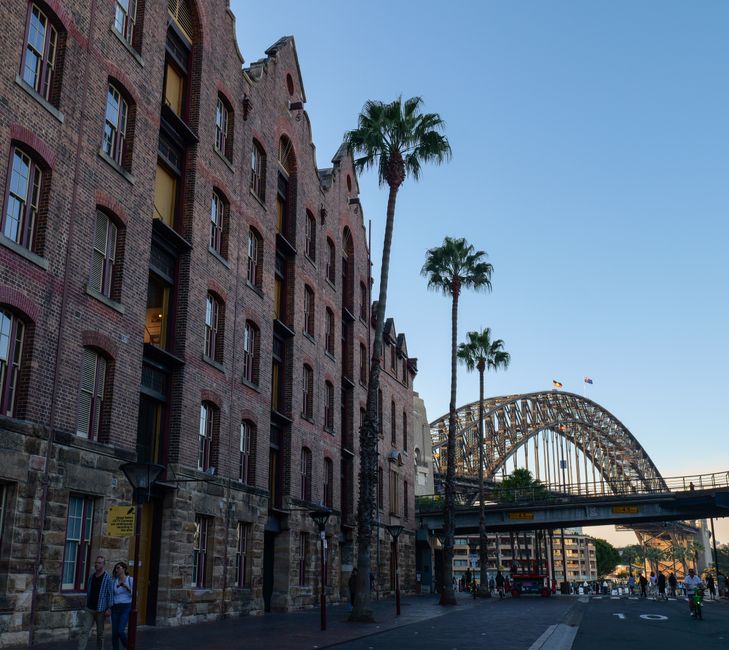
For anyone who spent the past three years searching for a rental or a first home in suburbs like Fairfield, Penrith or Marrickville, something felt persistently off about the listing photos. The same sun-drenched kitchen. The same angle on the same bathroom tiles. Different addresses, different prices, sometimes different postcodes entirely. It wasn't déjà vu — it was duplicate image replacement, a practice that has quietly undermined the integrity of Sydney's real estate portals and, more broadly, the housing information that buyers and renters rely on to make the most consequential financial decisions of their lives.
The issue matters acutely right now because the NSW government has placed housing at the centre of its 2026 legislative agenda, with planning reforms targeting Western Sydney growth corridors and the Metro West construction project reshaping how Sydneysiders think about where they can realistically afford to live. Misinformation embedded in listing photographs — whether through accidental database errors or deliberate substitution — compounds an already distorted market. The NSW Fair Trading office has fielded a rising volume of complaints about misleading property representations, though the agency has not published a specific figure for the current financial year.
The mechanics are straightforward. Real estate databases used by major platforms store images against property identifiers. When an agent re-lists a property, uploads a new listing for a different unit in the same block, or migrates data between agencies, images can be automatically reassigned to the wrong record. The result is that a two-bedroom unit in a 1970s walk-up on Chapel Road, Bankstown, might display photos of a recently renovated apartment three streets away — or three suburbs away.
The problem accelerated after 2020, when agencies rushed to digitise stock during pandemic-era restrictions on open homes. Bulk uploads to platforms like realestate.com.au and Domain increased the rate of misassignment, according to industry discussion documented in the Real Estate Institute of NSW's member bulletins from that period. By 2022, the volume of Sydney listings on those platforms had grown substantially, with Domain reporting more than 30,000 active Sydney residential listings at peak winter periods — a scale that makes manual image auditing effectively impossible without automated tools.
The City of Sydney Council's own housing advocacy work, particularly around the Green Square urban renewal precinct and the Harold Park estate in Forest Lodge, flagged the listing accuracy problem in submissions to the NSW Department of Planning during the 2023 review of the Residential Tenancies Act. The concern was specific: prospective tenants making decisions without visiting properties in person — a behaviour that became normalised post-COVID — were particularly exposed to the consequences of misleading images.
Technology companies serving the property sector began responding around late 2024. Several proptech firms, including local operators based in the Surry Hills tech precinct along Foveaux Street, started offering image-fingerprinting services that flag duplicate images across listings in near real-time. The tools use perceptual hashing — essentially a digital fingerprint for each photograph — to detect when the same image appears against multiple distinct property records.
Adoption has been uneven. Boutique agencies in the inner west adopted the tools more readily than larger franchise networks, partly because smaller operations had fewer legacy database constraints. The franchise model, dominant across Western Sydney growth areas like Kellyville and Box Hill, involves centralised data management that complicates rapid image auditing.
For consumers, the practical upshot is this: until platform-level enforcement becomes mandatory rather than voluntary, the safest approach remains requesting a fresh set of photos dated within the current listing period before signing any lease or making an offer. NSW Fair Trading's MyCommunity platform allows complaints to be lodged online against specific licence numbers — a mechanism that generates an auditable record even when the agency disputes the claim. The NSW government's stated commitment to housing reform in the second half of 2026 creates a plausible legislative window to address listing accuracy as part of broader consumer protection obligations. Whether the relevant bill gets drafted before the next election is a question the industry will be watching closely.
How does this story make you feel?
Spread the word
About this article
Published by The Daily Sydney
Daily brief
Free, in your inbox before 7am. Weekdays.
More in News