How Sydney's Property Listings Ended Up Full of Copied Photos — and Why It Took Years to Fix
Duplicate images flooding real estate portals have distorted Sydney's housing market for years; here's the trail that led to a reckoning.
Duplicate images flooding real estate portals have distorted Sydney's housing market for years; here's the trail that led to a reckoning.
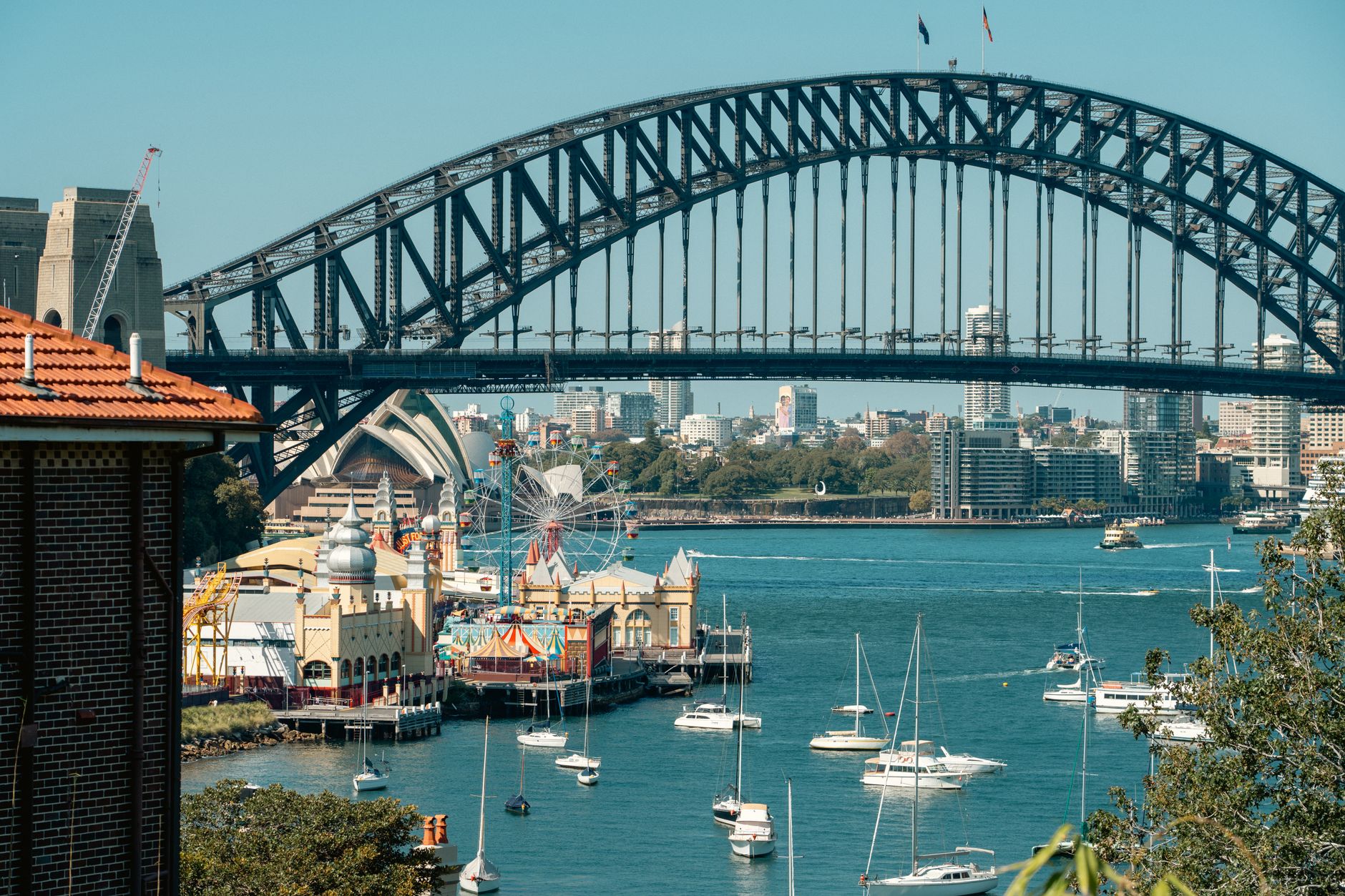
Walk through any weekend open home in Surry Hills or Parramatta and the agent will likely hand you a glossy brochure featuring photographs you have seen before — sometimes on a completely different property, in a different suburb, listed six months ago. The practice of recycling, copying or misrepresenting listing images has become endemic across Sydney's real estate portals, and the industry is only now being forced to confront how deep the problem runs.
The timing matters. Sydney is in the middle of a housing affordability crisis that has pushed the median dwelling price above $1.1 million, according to CoreLogic data from the March 2026 quarter. Buyers — many of them first-timers making the biggest financial decision of their lives — are conducting much of their initial research online. When the images attached to a listing do not accurately represent the property, the consequences range from wasted inspection trips to, in the worst cases, deposits paid on properties that looked nothing like the advertised photographs.
The roots go back to the early 2000s, when Domain and realestate.com.au both expanded aggressively across New South Wales and began competing for agent subscriptions rather than consumer trust. Agents uploaded their own photographs with almost no verification layer. A three-bedroom terrace in Newtown could carry images originally shot for a comparable property in Glebe. Automated listing tools made bulk uploads fast and cheap, and the same image libraries were often reused across relisted properties — the same apartment in Zetland appearing fresh to the market in January, July and the following March, each time with the same kitchen photograph from its 2019 renovation.
NSW Fair Trading has jurisdiction over misleading conduct in property advertising under the Property and Stock Agents Act 2002, but enforcement against image duplication specifically has been rare. Consumer groups including the Tenants' Union of NSW and the Property Buyers Agents Alliance have raised the issue repeatedly, pointing out that the legislative framework was written before smartphone cameras made high-volume listing photography trivial. The portals themselves — operating under terms of service that technically prohibit misrepresentation — relied on agent self-compliance and reactive complaint systems rather than proactive image-matching technology.
By 2023, reverse-image search tools available to any consumer could identify duplicate listing photos in seconds. Buyers' advocates working out of offices in Chatswood and the Sydney CBD began documenting cases systematically, building files that showed the same photograph appearing across dozens of active listings simultaneously. The scale was difficult to quantify precisely because neither portal released internal data, but independent audits cited in submissions to a 2024 NSW Parliamentary inquiry into rental sector transparency found duplicate or misattributed images in a material proportion of rental listings sampled across Greater Sydney.
The parliamentary inquiry, conducted by the NSW Legislative Assembly's Committee on Law and Safety, recommended that portals implement automated perceptual hashing — a standard image-matching technique — to flag duplicates before a listing went live. Neither Domain nor realestate.com.au had deployed such tools at scale as of early 2026, though both companies indicated to the committee that pilot programs were under consideration.
The regulatory pressure shifted meaningfully in April 2026 when NSW Fair Trading published updated compliance guidelines clarifying that agents who knowingly attach inaccurate images to a listing may face disciplinary action under the existing Act. The guidelines stopped short of mandating technology solutions but put the onus back on licensed agents rather than the platforms.
For buyers and renters navigating the market right now, the practical advice is straightforward: cross-reference every listing image using a reverse-image search before committing to an inspection, ask agents directly whether photographs were taken at the current property address in the current condition, and lodge a complaint with NSW Fair Trading — online at fairtrading.nsw.gov.au — if you find evidence of misrepresentation. The complaint trail matters; it is precisely the accumulation of formal complaints that pushed Fair Trading to update its guidance this year, and it is the same mechanism most likely to drive stronger enforcement ahead.
How does this story make you feel?
Spread the word
About this article
Published by The Daily Sydney
Daily brief
Free, in your inbox before 7am. Weekdays.
More in News